
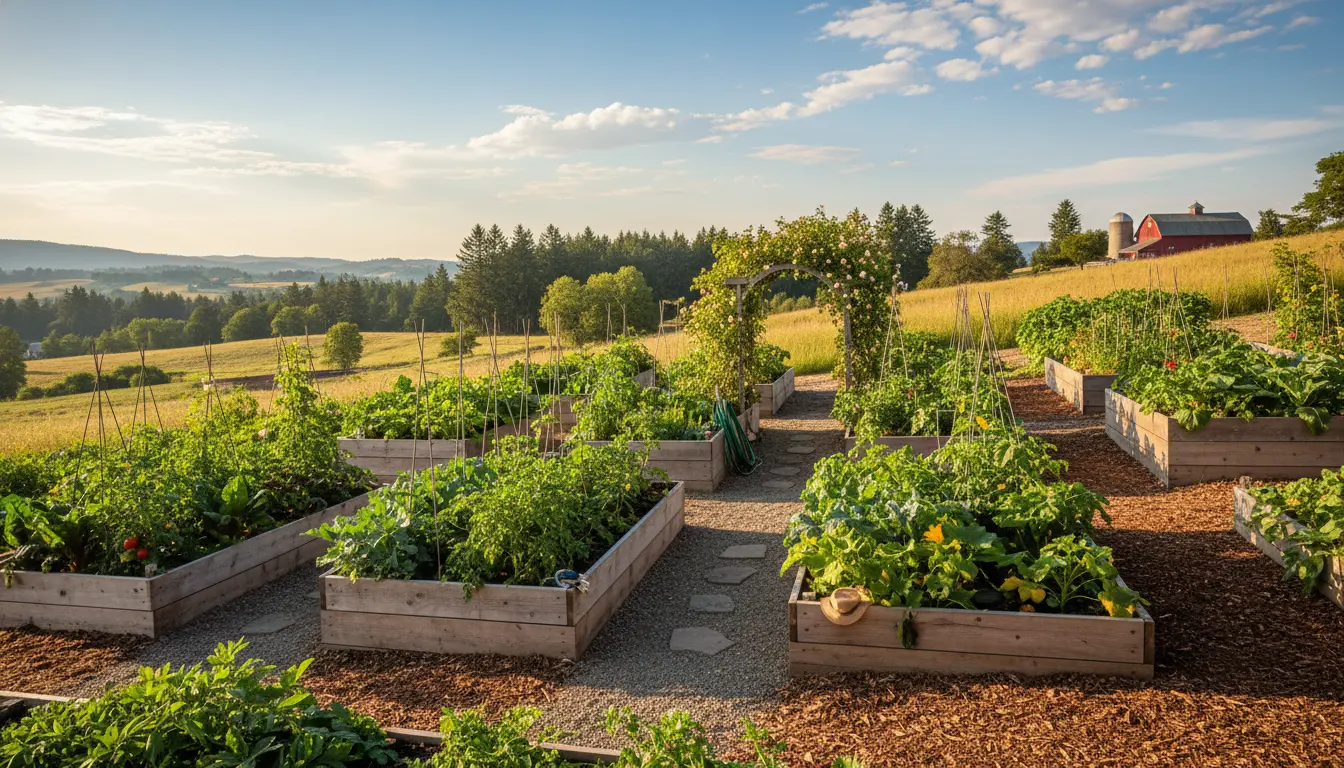
Why start a vegetable garden at home
Growing vegetables at home saves money, improves food quality, and connects you to the seasons. A small garden can supply fresh produce for a family or supplement meals for a single person.
Starting a vegetable garden is achievable even with limited space and experience. This guide covers the essential steps so you can plan, plant, and maintain a productive plot.
Plan your garden: site, size, and goals
Choose a sunny site with at least 6 hours of direct sunlight for most vegetables. Observe light patterns for a few days before deciding the exact location.
Decide the garden size based on available space and time. Beginners often start with a 4×4 or 4×8 raised bed or a few containers on a balcony.
How to pick vegetables
Pick easy, high-reward crops first: tomatoes, lettuce, radishes, green beans, and herbs. Choose varieties labeled “easy” or “beginner friendly.”
- Consider harvest time: fast-maturing crops give quick results.
- Grow what you will eat frequently to avoid waste.
- Check your USDA hardiness zone or local climate for suitable varieties.
Prepare soil to start a vegetable garden
Good soil is the foundation of a productive vegetable garden. If you use a raised bed or containers, fill them with a quality mix that drains well.
For in-ground gardens, test the soil pH and texture. Aim for pH 6.0–7.0 and loamy texture with plenty of organic matter.
Steps to improve soil
- Remove weeds and debris from the site.
- Amend with compost: spread 2–3 inches and work it into the top 6–8 inches.
- Add coarse sand or perlite for heavy clay, and add organic matter for sandy soils.
- Consider a balanced slow-release fertilizer if a soil test shows nutrient deficiencies.
Sow seeds and transplant seedlings
Follow seed packet instructions for planting depth and spacing when you sow. Start seeds indoors for long-season crops like tomatoes and peppers.
Transplant seedlings after the last expected frost and when soil temperature is appropriate. Harden off seedlings by gradually exposing them to outdoor conditions over a week.
Staggered planting for continuous harvests
Stagger sowing by planting small amounts every 2–3 weeks for crops like lettuce and radishes. This provides a steady supply rather than a single large harvest.
Watering, mulching, and basic care
Water deeply and less frequently so roots grow strong. Most vegetables need about 1 inch of water per week; increase during hot, dry spells.
Mulch with straw, shredded leaves, or compost to retain moisture, suppress weeds, and moderate soil temperature.
Pest and disease basics
Inspect plants regularly for pests and signs of disease. Use these low-impact tactics first:
- Hand-pick large pests like slugs and caterpillars.
- Use row covers to protect seedlings from insects.
- Practice crop rotation and space plants for good airflow.
- Remove and compost only healthy plant debris; dispose of diseased material.
Harvesting and ongoing maintenance
Harvest vegetables at peak maturity for best flavor and to encourage further production. Regular harvesting increases yields for plants like beans and zucchini.
Keep beds tidy by removing spent plants, adding compost, and preparing for the next crop. Winter cover crops can protect and enrich soil between seasons.
Planting basil near tomatoes can improve tomato flavor and deter certain pests. Companion planting is an age-old practice that can boost garden health without chemicals.
Simple timeline to start a vegetable garden
- Week 1: Select site, test soil, and plan layout.
- Week 2: Clear area, amend soil, and build beds or prepare containers.
- Weeks 3–6: Start seeds indoors and sow cool-season crops outdoors as appropriate.
- After last frost: Transplant warm-season crops and continue succession planting.
Real-world example: Small patio to steady salad greens
Case study: Emma converted a 6-foot by 3-foot patio area into three half-barrel planters. She filled them with a mix of compost-rich potting soil and planted cherry tomatoes, mixed lettuce, and parsley.
Within eight weeks she harvested continuous salad greens. Using a simple drip-watering timer and organic fertilizer every 4–6 weeks, she reduced grocery salad purchases by half in the first season.
Quick checklist to start a vegetable garden
- Choose a sunny site with good drainage.
- Decide bed type: in-ground, raised bed, or containers.
- Improve soil with compost and test pH if possible.
- Select beginner-friendly vegetables and proper varieties for your zone.
- Plan watering, mulching, and a basic pest-management approach.
Final tips to keep your garden productive
Start small and expand as you gain confidence. Keep a simple garden journal to track planting dates, varieties, and harvests.
Learn from each season: note what worked and what didn’t. With steady attention and simple practices, your home vegetable garden will become a reliable source of fresh food.