
Start a Vegetable Garden: Planning and Site Selection
Starting a vegetable garden begins with planning. Decide what you want to grow, how much time you can commit, and where you will place the garden.
Choose a site that gets at least 6 hours of direct sunlight daily for most vegetables. Good drainage and easy access to water are also essential.
How to start a vegetable garden: quick site checklist
- Sun exposure: 6+ hours of direct sun for tomatoes, peppers, and cucurbits.
- Water access: hose or rain barrel within 25 feet.
- Drainage: avoid low spots that hold water.
- Convenience: near the kitchen to encourage frequent harvesting.
Start a Vegetable Garden: Choosing Beds and Layout
Decide between in-ground rows, raised beds, or containers. Each has pros and cons depending on soil quality, budget, and mobility needs.
Raised beds warm earlier in spring, reduce soil compaction, and are easier to manage for beginners.
How to start a vegetable garden with raised beds
- Choose bed size: 4 feet wide lets you reach the center from either side.
- Build from rot-resistant wood, brick, or composite materials.
- Fill with a mix of topsoil, compost, and well-draining amendments.
Start a Vegetable Garden: Soil Preparation
Soil quality is the most important factor for success. Test the soil pH and nutrient levels when possible.
Most vegetables prefer slightly acidic to neutral soil (pH 6.0–7.0). Add lime or sulfur only after testing.
Soil improvement steps
- Add 2–4 inches of compost and mix it into the top 6–12 inches of soil.
- Use organic matter like leaf mold or well-rotted manure to increase fertility.
- For heavy clay, add coarse sand and gypsum cautiously to improve texture.
Start a Vegetable Garden: Selecting Plants and Timing
Choose vegetables that match your climate and growing season. Start with easy, reliable crops such as lettuce, radishes, beans, and tomatoes.
Stagger plantings to extend harvests. Direct-sow root crops and leafy greens, and transplant warm-season crops after the last frost.
Plant selection tips
- Beginner-friendly: lettuce, spinach, bush beans, radishes, cherry tomatoes.
- Companion planting: basil with tomatoes, beans with corn or squash.
- Succession planting: sow every 2–3 weeks for continuous harvest.
Start a Vegetable Garden: Watering and Maintenance
Consistent moisture is critical. Aim for deep, infrequent watering rather than shallow daily sprays.
Mulch with straw, wood chips, or shredded leaves to conserve moisture and suppress weeds.
Watering schedule and tips
- Water early morning to reduce disease risk.
- Use drip irrigation or soaker hoses for efficiency.
- Monitor soil moisture with a finger test: reach 2 inches deep; soil should feel slightly damp.
Start a Vegetable Garden: Pest and Disease Management
Watch for common pests like aphids, slugs, tomato hornworms, and flea beetles. Early detection is key to control.
Use integrated pest management: cultural controls, physical barriers, beneficial insects, and targeted organic treatments.
Practical pest control methods
- Handpick large pests when practical.
- Use row covers to protect young plants from insects and birds.
- Introduce predatory insects like ladybugs for aphid control.
- Rotate crops each season to reduce soil-borne diseases.
Start a Vegetable Garden: Harvesting and Season Extension
Harvest vegetables when they are ripe to encourage continued production. For many crops, regular picking stimulates more growth.
Extend the season with cold frames, floating row covers, or a simple greenhouse to harvest earlier and later in the year.
Harvesting tips
- Leafy greens: pick outer leaves continuously.
- Tomatoes: harvest when fully colored for best flavor.
- Root crops: harvest carrots and beets when they reach usable size.
Small Real-World Example
Case study: A city apartment owner converted a sunny 8×4 foot balcony into a productive vegetable garden in one season.
They used five 12-inch deep containers, planted cherry tomatoes, basil, lettuce, peppers, and a trellised cucumber. With drip irrigation and weekly compost, yields met most of their summer salad needs.
Start a Vegetable Garden: Quick Starter Supply List
- Raised bed kit or containers
- Good-quality topsoil and compost
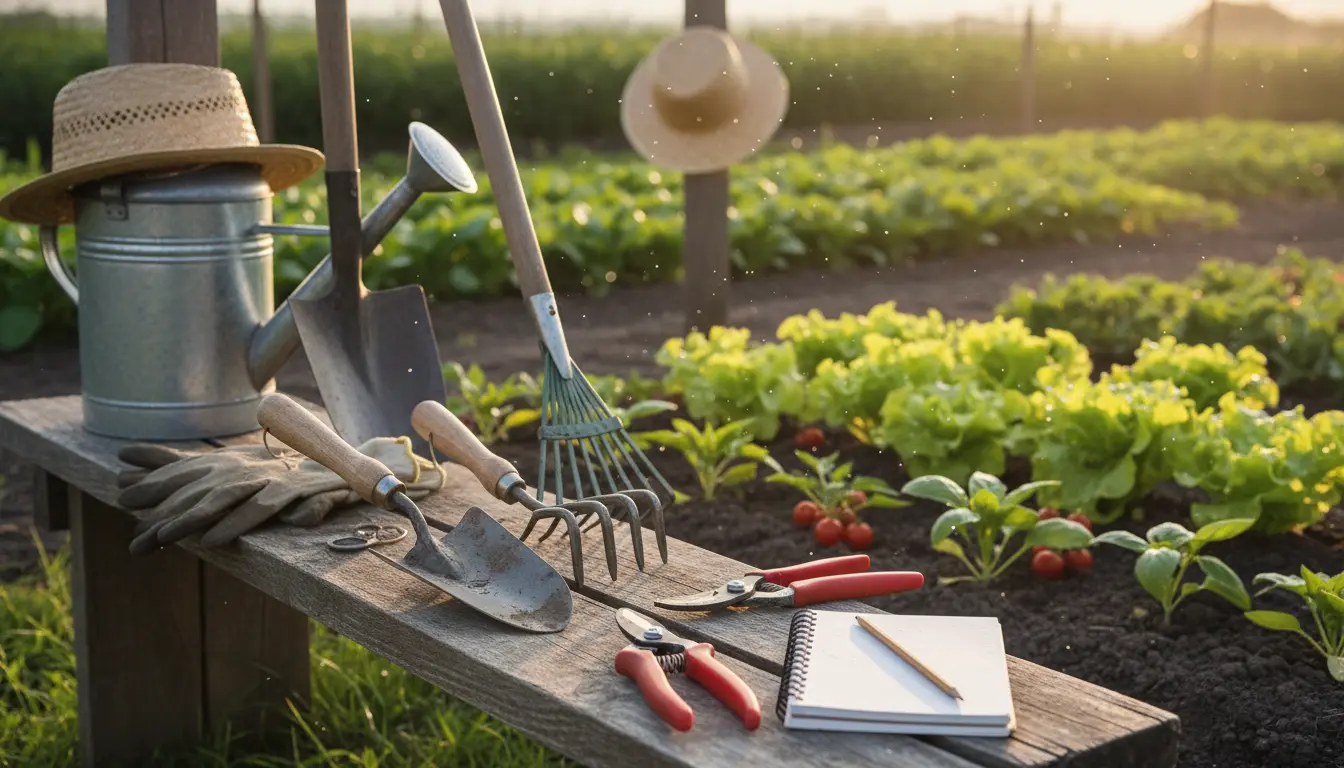
- Basic hand tools: trowel, hand fork, watering can or hose
- Seeds or transplants for beginner crops
- Mulch, stakes, and row cover material
Conclusion: Start a Vegetable Garden with Confidence
Starting a vegetable garden is achievable with modest time and planning. Prioritize sunlight, soil quality, and consistent water to set your garden up for success.
Begin small, observe, and learn each season. Over time you can expand plant variety and increase yields without overcomplicating maintenance.