
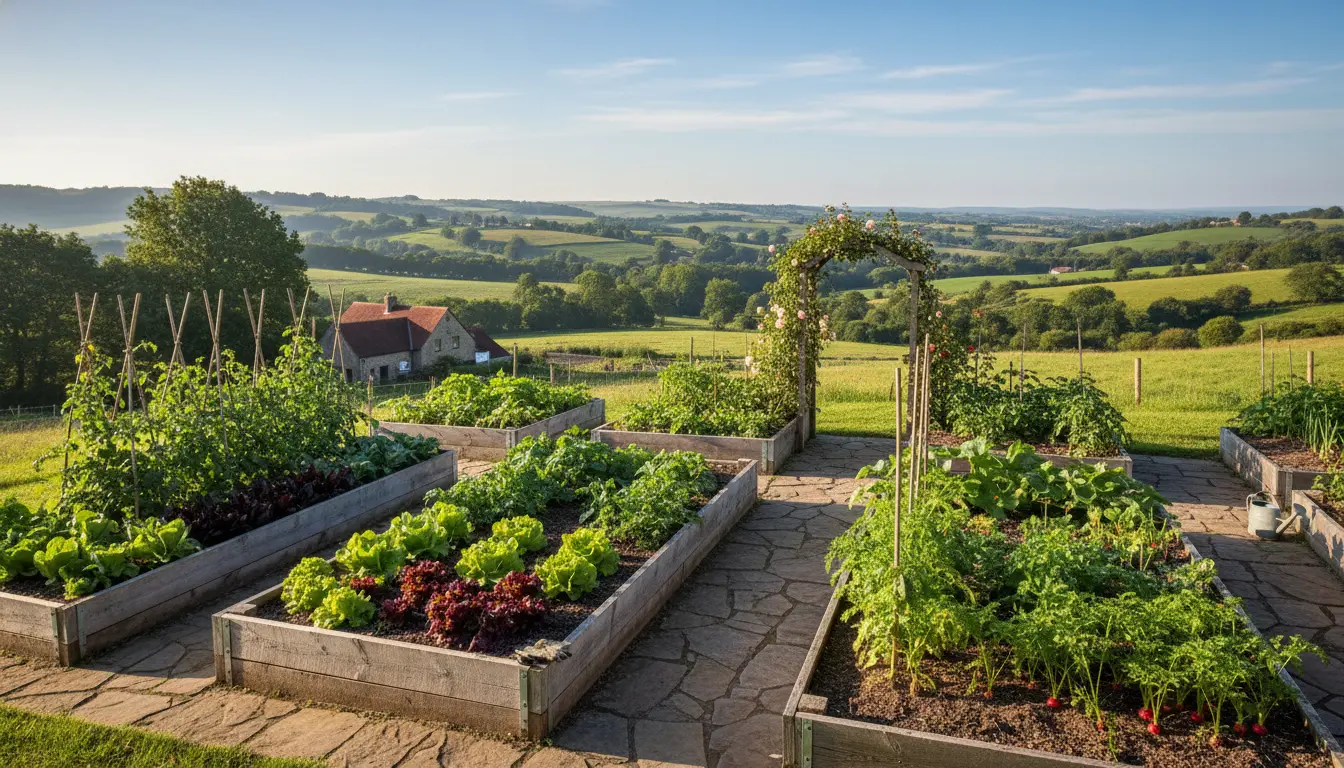
How to Start a Vegetable Garden: Overview
Starting a vegetable garden is a step-by-step process that anyone can learn. This guide shows practical, instructional steps on how to start a vegetable garden and maintain it through a season.
Planning Your Garden
Good planning saves time and increases success. Decide where to place your garden, how large it will be, and which vegetables fit your climate and space.
Choose the Right Spot to Start a Vegetable Garden
Pick a site with at least six hours of sunlight per day and good drainage. Avoid low spots that collect water or areas shaded by large trees.
Decide Garden Type
Consider raised beds, in-ground rows, or container gardens based on space and mobility needs. Raised beds warm faster in spring and require less bending.
Preparing Soil and Beds for Your Vegetable Garden
Soil quality is the foundation of a productive garden. Test soil pH and texture early so you can amend before planting.
Improve Soil When You Start a Vegetable Garden
Add organic matter like compost or well-rotted manure to improve structure and nutrients. For heavy clay, add coarse sand and compost; for sandy soil, increase organic content to hold moisture.
- Test soil pH (ideal 6.0–7.0 for most vegetables).
- Add 2–3 inches of compost and mix into top 6–12 inches.
- Level beds and mark planting rows or squares.
Choosing Plants When You Start a Vegetable Garden
Select vegetables suited to your climate and season. Beginners should start with forgiving, high-yield crops.
Recommended Starter Vegetables
Try tomatoes, lettuce, radishes, beans, and zucchini. These crops are relatively low-maintenance and provide quick results.
- Tomatoes: full sun, steady water, support for vines.
- Lettuce: partial shade in hot climates, quick harvest.
- Beans: fix nitrogen and grow rapidly.
Planting and Spacing Tips
Correct spacing reduces disease and competition. Follow seed packet or plant tag spacing recommendations and thin seedlings when needed.
How to Start a Vegetable Garden with Proper Spacing
Use a simple grid or row layout to keep plants organized. In small spaces, try square-foot gardening to maximize yield per square foot.
Watering and Maintenance for a New Vegetable Garden
Consistent watering matters more than frequent shallow watering. Aim for deep, infrequent watering to encourage strong roots.
Watering Schedule
Water early in the morning to reduce disease risk. Adjust frequency with weather: more in heat, less after rain.
- Use drip irrigation or soaker hoses to conserve water and target roots.
- Mulch with straw or wood chips to retain moisture and suppress weeds.
Pest Control and Common Problems
Expect pests and diseases but prioritize prevention. Healthy soil and proper spacing reduce most issues.
Integrated Pest Management (IPM)
Start with cultural controls like crop rotation and resistant varieties. Use physical barriers and hand-picking before chemical controls.
- Rotate families of vegetables each year to limit soil-borne diseases.
- Introduce beneficial insects by planting flowers like marigolds or nasturtiums.
- Inspect plants weekly for early signs of trouble.
Harvesting and Next Steps
Harvest at the right stage for best flavor and yield. Regular harvesting often encourages more production in many vegetable plants.
Storing and Preserving
Plan storage for surplus: blanch and freeze, can, or share with neighbors. Record what worked and what didn’t for next season.
Many common vegetables like lettuce and radishes can be harvested in under 30 days from sowing, giving quick results for new gardeners.
Small Real-World Case Study
Case Study: A beginner named Maria in Denver started a 4×8 raised bed in spring. She prepared soil with compost, planted tomatoes, lettuce, and beans, and used drip irrigation.
Results: By mid-summer she had continuous lettuce harvests and healthy tomato fruit. The raised bed improved drainage and reduced weeding time, making maintenance manageable for her schedule.
Quick Checklist: How to Start a Vegetable Garden
- Choose a sunny spot and decide bed type.
- Test and improve soil with compost.
- Select easy crops for your climate.
- Plant at recommended spacing and water deeply.
- Mulch, monitor pests, and harvest regularly.
Starting a vegetable garden is a practical project. Follow these steps, learn from each season, and adjust plant choices and spacing as you gain experience. With consistent care, your garden will become more productive each year.