
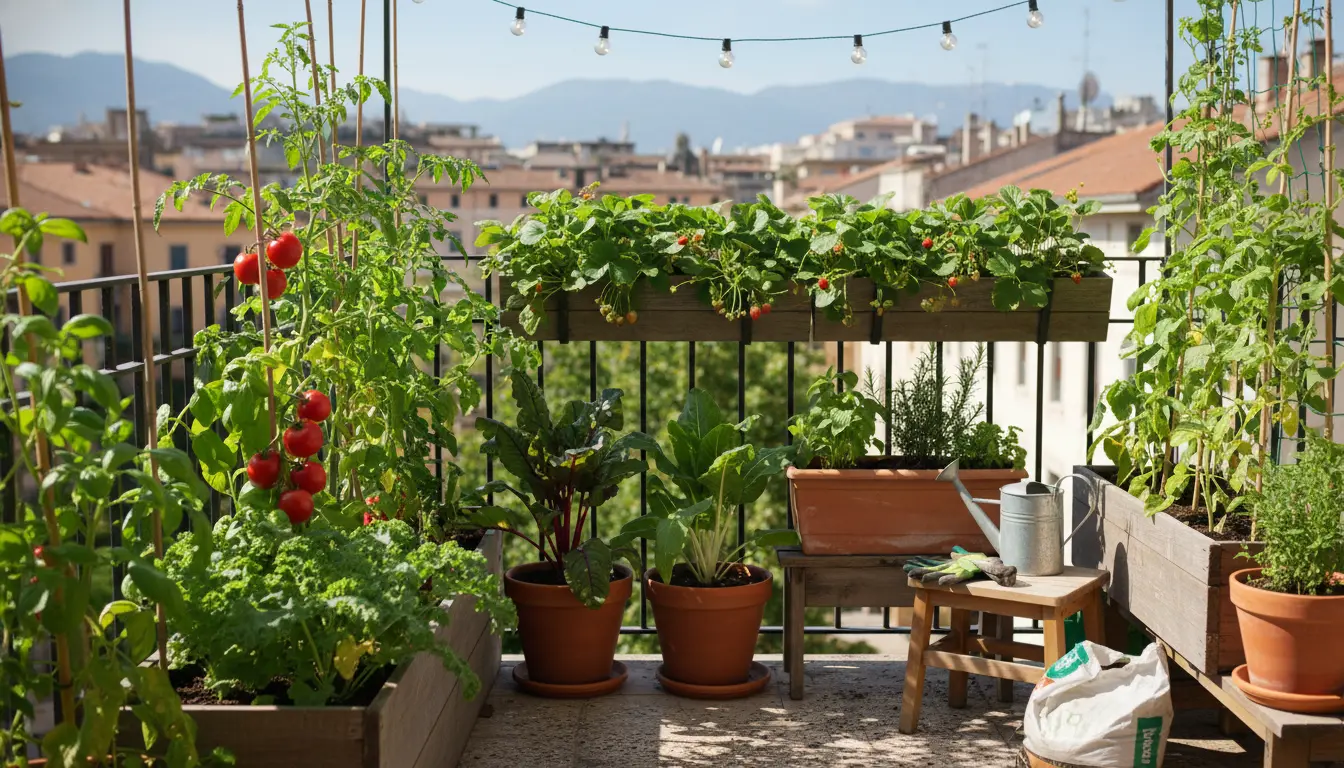
Starting a vegetable garden is a practical way to grow fresh food, save money, and enjoy outdoor time. This guide explains how to start a vegetable garden with clear steps you can follow whether you have a yard, balcony, or small patio.
How to Start a Vegetable Garden: Planning
Good planning makes planting easier and improves yields. Begin by deciding the type of garden: in-ground, raised bed, or containers.
Consider sunlight, space, budget, and how much time you can commit. Mark a simple layout and list plants you want to grow.
Choose a Location for Your Vegetable Garden
Most vegetables need 6 to 8 hours of direct sunlight. Observe your space for a few days to find the sunniest spot.
Access to water is important. Place beds or containers near a hose or tap to make watering convenient.
Select the Right Garden Type
Pick a garden type that fits your situation. Options include:
- In-ground beds — best for large yards and deep-rooted plants.
- Raised beds — improve drainage and soil quality with less bending.
- Containers — ideal for balconies or patios and easy to move.
How to Start a Vegetable Garden: Soil and Planting
Healthy soil is the foundation of a productive vegetable garden. Test and amend soil before planting to ensure good drains and nutrients.
Test and Improve Soil
Use a simple soil test kit or send a sample to a local extension service. Test pH and nutrient levels to guide amendments.
Work in compost or well-rotted manure to improve structure. For containers, use a quality potting mix with added compost.
Choose Vegetables for Beginners
Start with easy crops that tolerate some mistakes. Good beginner vegetables include:
- Lettuce and salad greens — fast growing and forgiving.
- Radishes — quick harvests teach timing.
- Tomatoes (determinate varieties) — productive in containers.
- Beans — low maintenance and fix nitrogen in soil.
- Zucchini and summer squash — high yields from little effort.
How to Start a Vegetable Garden: Planting Schedule and Techniques
Timing matters. Use local planting dates to decide when to sow seeds or set transplants.
Read seed packets for spacing and depth. Thin seedlings to avoid competition and promote airflow.
Direct Sow vs. Transplants
Direct sow small seeds like carrots and radishes into prepared soil. Use transplants for slow-starting crops like tomatoes and peppers.
Hardening off transplants for a week outdoors helps them adjust and reduces shock.
Watering, Feeding, and Maintenance
Consistent watering is crucial. Most vegetables need 1 to 1.5 inches of water per week, delivered deeply rather than frequently.
Mulch, Water, and Fertilize
Mulch reduces evaporation and suppresses weeds. Use straw, shredded leaves, or wood chips around plants.
Apply a balanced fertilizer or organic options like compost tea according to plant needs and soil test results.
Pest and Disease Management
Inspect plants regularly for pests and signs of disease. Early detection makes control easier.
- Use row covers to protect young plants from insects.
- Practice crop rotation and remove diseased foliage promptly.
- Handpick larger pests and use targeted organic controls when needed.
How to Start a Vegetable Garden: Harvesting and Success Tips
Harvest promptly when vegetables reach recommended size. Regular picking encourages more production for many crops.
Keep a simple garden journal to track planting dates, varieties, problems, and yields. This improves decisions next season.
Some compact tomato varieties can produce over 10 pounds of fruit from a single 5-gallon container in one season if given full sun and regular watering.
Simple Tools and Supplies
Start with a few essential tools: a hand trowel, pruners, a watering can or hose, and gloves. Add a soil test kit and pH meter for better results.
Case Study: Sarah’s Balcony Vegetable Garden
Sarah had a 6-foot balcony and wanted fresh herbs and salad greens. She used five 10-inch containers, quality potting mix, and a small trellis for cherry tomatoes.
By following a simple watering schedule and rotating lettuce every six weeks, Sarah harvested salad greens most of the season and got 20–30 cherry tomatoes weekly in midsummer.
Her low-cost setup returned value in fresh meals and reduced grocery trips, showing even small spaces can produce useful yields.
Quick Checklist to Start a Vegetable Garden
- Choose a sunny spot and garden type (in-ground, raised bed, or containers).
- Test soil and add compost or choose quality potting mix for containers.
- Select easy vegetables for your climate and space.
- Follow planting dates and water deeply and consistently.
- Use mulch, monitor pests, and keep a simple garden journal.
Starting a vegetable garden is a step-by-step process. Focus on simple goals, learn from each season, and expand as you gain confidence. With planning and regular care, you can grow healthy vegetables even in small spaces.