
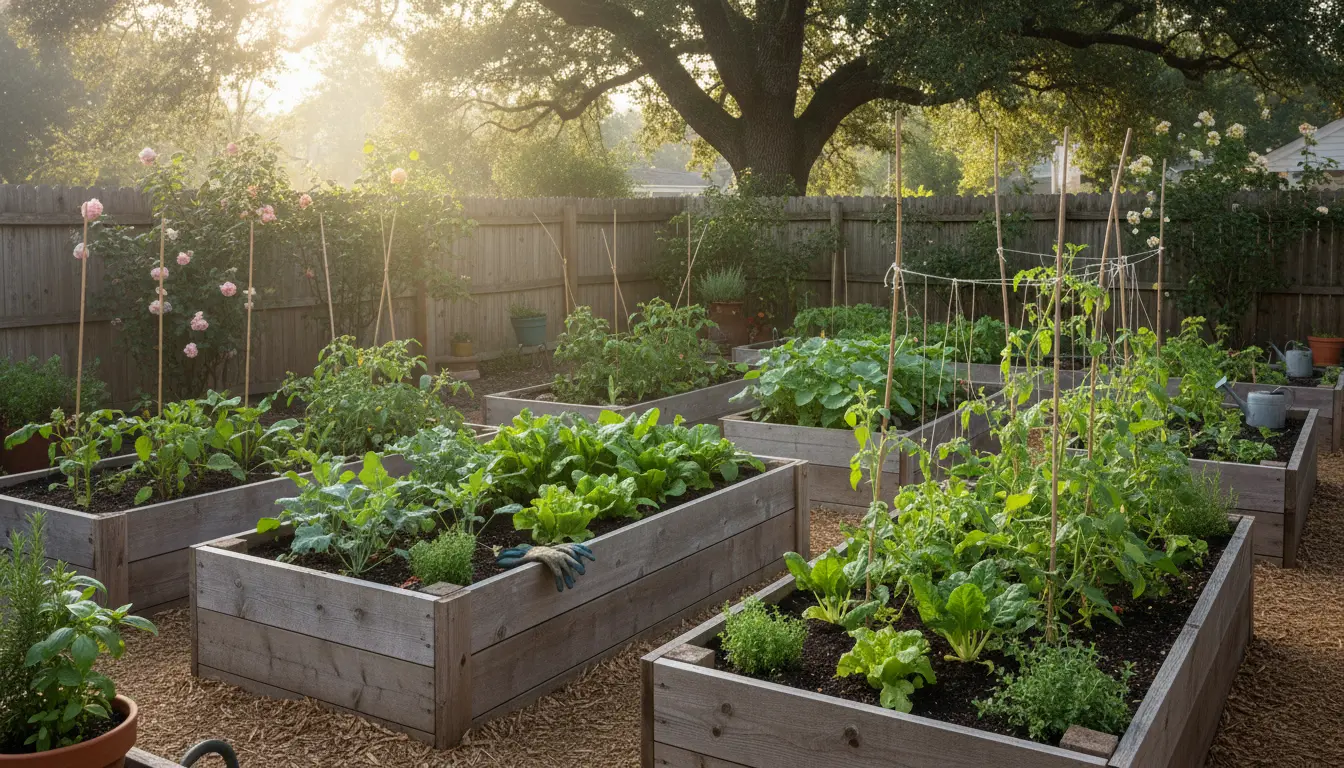
Starting a vegetable garden is one of the most practical ways to save money, eat fresher food, and learn a useful skill. This guide gives clear, actionable steps so beginners can plan and grow a productive garden with minimal confusion.
How to Start a Vegetable Garden: Step-by-Step
Follow these main steps to get a garden going: choose a site, prepare soil, pick crops, plant at the right time, water correctly, and manage pests. Each step is broken down below with simple tips and examples.
Choose the Best Site for Your Garden
Most vegetables need at least 6 to 8 hours of direct sunlight daily. Choose a flat or gently sloped area with good sun exposure and access to water.
Consider proximity to your home for easier daily care. If you lack ground space, raised beds or containers on a balcony work well.
Prepare Soil and Test pH
Healthy soil is the single most important factor. Test the soil pH with a kit or send a sample to a local extension office. Vegetables prefer a pH of 6.0 to 7.0.
Improve heavy clay or sandy soils by adding compost and well-rotted manure. Mix organic matter into the top 6 to 12 inches for better drainage and nutrient retention.
- Add 2–4 inches of compost and mix it in well.
- Use a balanced organic fertilizer if recommended by soil test results.
- Mulch with straw or shredded leaves to conserve moisture.
Decide What to Plant
Start with easy, productive crops such as tomatoes, lettuce, radishes, beans, and zucchini. Choose varieties labeled “disease resistant” when possible.
Plan a mix of short-season crops (radishes, lettuce) and longer-season crops (tomatoes, peppers) to keep harvesting throughout the season.
Planting Schedule and Spacing
Check your local frost dates to determine when to plant seeds and transplants. Many seeds can go directly in the ground after the last frost, while tomatoes and peppers need warm soil and are best planted as transplants.
Follow seed packet or plant tag spacing recommendations. Overcrowding reduces airflow and increases disease risk.
Watering Basics
Water deeply and less often rather than frequent shallow watering. Deep watering encourages roots to grow downward and increases drought resilience.
Aim for about 1 inch of water per week, including rainfall. Use drip irrigation or a soaker hose to deliver water at the soil level and reduce leaf wetness.
Pest Control and Disease Prevention
Monitor plants regularly and remove affected leaves early. Use row covers to protect seedlings from insect damage when practical.
Encourage beneficial insects by planting flowers such as marigolds, calendula, or dill near vegetables. Rotate crops each year to reduce buildup of soil-borne diseases.
- Hand-pick slugs and caterpillars in small gardens.
- Use sticky traps for monitoring flying pests.
- Apply organic controls like neem oil or insecticidal soap when needed.
Maintenance: Weeding, Pruning, and Fertilizing
Keep weeds under control to reduce competition for nutrients and water. Mulch around plants to suppress weeds and retain moisture.
Fertilize according to the needs of the crop and the results of your soil test. Heavy feeders like tomatoes may need side-dressing with compost or organic fertilizer during the season.
Harvesting Tips
Harvest vegetables at peak ripeness for the best flavor and to encourage further production. Leafy greens are often best picked young, while root crops need full maturity.
Harvest regularly: this maximizes yield and reduces disease. Store produce properly to extend freshness.
Planting garlic in the fall gives you larger bulbs the following summer. Garlic needs cold exposure to form full heads.
Easy Layouts for Small Spaces
Raised beds, square-foot gardens, and container gardens help maximize yield in limited space. They also simplify soil control and reduce bending.
Example layout: a 4×8 raised bed with rows for tomatoes on one side, peppers in the middle, and lettuces/greens on the shaded side for afternoon shade protection.
Real-World Example: Small Urban Garden Case Study
Case: A couple in a small city yard started a 3-bed raised garden (4×4 each). In the first year they planted tomatoes, bush beans, lettuces, and herbs.
Results: They harvested 18 pounds of tomatoes, several harvests of leafy greens, and used beans as a space-efficient protein source. Initial investment included soil, compost, and seeds totaling under $200.
Lessons learned: Start small, rotate crops, and build soil gradually. Their yield increased in year two after adding more compost and using a drip line for watering.
Quick Checklist to Start Your Vegetable Garden
- Pick a sunny site with water access.
- Test and amend soil; add compost.
- Choose easy crops for your climate and space.
- Plant at the right time and respect spacing.
- Water deeply, mulch, and monitor pests.
- Harvest regularly and keep records for next season.
Starting a vegetable garden is a learning process. Use small experiments, keep notes on what works, and expand gradually as you gain confidence. With consistent care and simple habits, even first-time gardeners can enjoy steady harvests and fresher meals.