
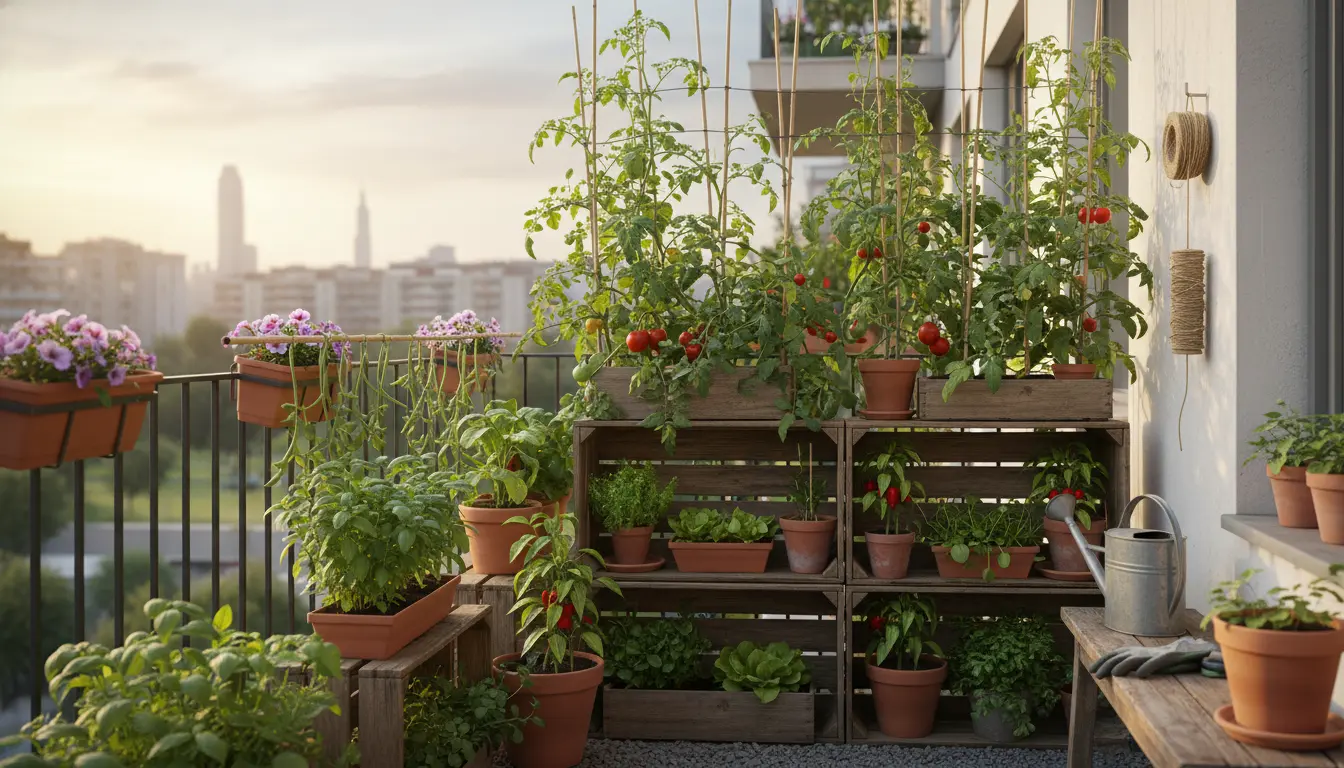
Growing vegetables in limited space is entirely possible with the right planning and simple techniques. This guide shows step-by-step how to design, plant, and maintain a productive small space vegetable garden.
Plan Your Small Space Vegetable Garden
Start by assessing light, space, and access. Note how many hours of direct sun your spot gets and measure available width and depth.
Decide which vegetables you want and how much you can reasonably harvest. Prioritize high-yield, space-efficient crops for small areas.
Light and Location for a Small Space Vegetable Garden
Most vegetables need 6–8 hours of direct sun. If you have partial sun (3–6 hours), pick shade-tolerant or partial-sun crops.
Place containers where they are easy to water and harvest. Consider mobility if you need to move plants seasonally.
Choose Containers for a Small Space Vegetable Garden
Container choice affects root depth, watering, and yield. Use pots, grow bags, window boxes, or vertical planters depending on space.
Match container size to plant type for best results.
- Leafy greens: 6–8-inch pots or shallow boxes.
- Herbs: 6–10 inch pots or window boxes.
- Tomatoes, peppers: 5–7 gallon containers.
- Root crops (carrots, beets): deep containers 12 inches or more.
Materials and Drainage
Use containers with drainage holes. If using decorative pots without holes, place a layer of gravel and monitor moisture carefully.
Lightweight materials (fabric grow bags, plastic pots) make it easier to move containers for sun or winter storage.
Select Soil and Amendments for a Small Space Vegetable Garden
Use a high-quality container potting mix rather than garden soil. Potting mixes drain better and are lighter.
Amend with compost for nutrients and water retention. For heavy feeders, add slow-release organic fertilizer at planting.
Mix Example
- 60% loamy potting mix
- 30% compost
- 10% perlite or coarse sand for drainage
Plant Selection for a Small Space Vegetable Garden
Choose compact, dwarf, or determinate varieties labeled for containers. These use less space and still produce well.
Consider succession planting and vertical growing to maximize yields in a small footprint.
- High-value, compact crops: cherry tomatoes, dwarf peppers, lettuce mixes.
- Fast growers: radishes, salad greens, baby carrots for quick harvests.
- Vertical climbers: peas, pole beans, cucumbers on trellises.
Watering and Fertilizing a Small Space Vegetable Garden
Containers dry out faster than ground soil. Check moisture daily in hot weather and water until excess drains from the bottom.
Use consistent, even watering to prevent stress and blossom end rot in crops like tomatoes.
Fertilizer Schedule
Use a balanced liquid feed every 2–4 weeks for most vegetables. For leafy greens, choose a higher nitrogen feed; for fruiting crops, choose one higher in phosphorus and potassium.
Pest Control and Maintenance in a Small Space Vegetable Garden
Inspect plants regularly for pests and disease. Small spaces can still support beneficial insects if you include flowering herbs or companion plants.
Use physical barriers, hand-picking, or organic sprays when needed. Good airflow and appropriate spacing reduce disease risk.
Harvesting and Crop Rotation for a Small Space Vegetable Garden
Harvest frequently to encourage continued production for leafy crops. Pick tomatoes and peppers when they reach color and firmness appropriate for the variety.
Rotate container crops seasonally. Refresh potting mix annually and replace some compost each season to maintain fertility.
Many common vegetables, including cherry tomatoes and leaf lettuce, are bred specifically for container gardening and will produce more in small spaces than full-size field varieties.
Tips to Maximize a Small Space Vegetable Garden
- Use vertical space with trellises and hanging baskets.
- Interplant quick growers between slower maturing crops.
- Choose multi-purpose plants like herbs that deter pests and attract pollinators.
- Group plants with similar water needs to simplify care.
Simple Planting Example
On a 4×2 foot balcony, place two 5-gallon pots for tomatoes, a long window box for lettuce and herbs, and hang a small planter for strawberries. Rotate and replace soil each season for steady production.
Case Study: Balcony Success in a Rental Apartment
Maria, a city renter, used two 10-inch pots and a 24-inch window box on her south-facing balcony. She planted cherry tomatoes, basil, and mixed greens.
Within one season she harvested cherry tomatoes weekly and used basil for sauces. Strategic watering and weekly liquid feed produced a reliable supply for her household of two.
Common Mistakes and How to Avoid Them
- Overcrowding: Avoid packing too many plants in one container; give roots room to grow.
- Underwatering: Check containers daily in heat and water deeply when the top inch of soil is dry.
- Poor soil: Don’t use garden soil in containers; it compacts and limits drainage.
Starting a small space vegetable garden is a manageable project with big rewards. With the right containers, soil, and plant choices you can grow fresh vegetables even in tight urban spaces.
Try a single container project this month and expand as you learn what grows best in your specific spot.