
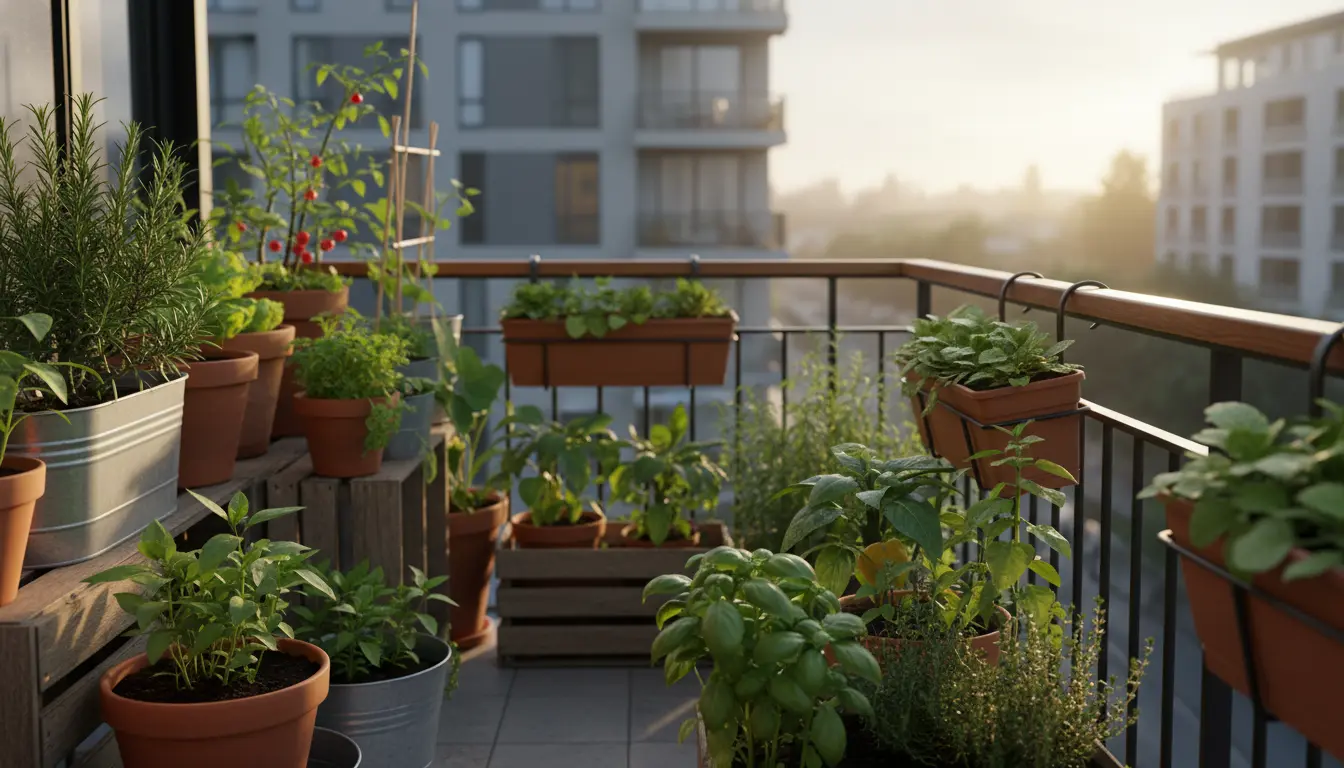
Starting a small space vegetable garden is a practical way to grow fresh food when you have limited room. This guide walks you through planning, choosing containers, selecting crops, and ongoing care. Follow these steps to get steady harvests from balconies, patios, or tiny yards.
Why Choose a Small Space Vegetable Garden
A small space vegetable garden uses containers, raised beds, or vertical methods to maximize yield in limited areas. It reduces grocery costs and gives easy access to fresh produce. It also fits urban lifestyles where ground space is scarce.
Planning Your Small Space Vegetable Garden
Good planning prevents wasted effort. Identify sunlight, water access, and weight limits for balconies before you buy supplies. Measure your space and choose a layout that suits your routine.
Assess Light and Microclimate
Most vegetables need at least 5–6 hours of direct sun. Note morning versus afternoon light and watch for wind or heat reflection. Use that information to place sun-loving crops and shade-tolerant herbs correctly.
Decide on Containers and Layout
Containers define your planting options. Use a mix of sizes: deep pots for roots, shallow trays for greens, and hanging baskets for trailing crops. Arrange containers so taller plants don’t shade shorter ones.
Choosing Containers and Soil for a Small Space Vegetable Garden
Containers should have drainage and be durable. Lightweight materials like plastic, fabric, and resin work well on balconies. For patios, wood or ceramic are attractive options but consider weight when filled.
- Minimum size: 5-gallon pots for single plants like tomatoes or peppers.
- Shallow trays (2–4 inches) for lettuce and herbs.
- Vertical planters or stacked pots for strawberries and vining beans.
- Use saucers or trays to protect floors and collect excess water.
Soil matters more in containers than in-ground. Choose a high-quality potting mix that drains well and retains moisture. Add compost or slow-release organic fertilizer to support steady growth.
Selecting Vegetables for a Small Space Vegetable Garden
Pick varieties known for compact growth and high yield. Focus on fast-growing crops and those that give repeated harvests to maximize limited area.
- Leafy greens: lettuce, spinach, arugula — harvest cut-and-come-again.
- Herbs: basil, parsley, chives — compact and useful in the kitchen.
- Compact fruiting crops: patio tomatoes, dwarf peppers, bush beans.
- Root crops: radishes and baby carrots in deeper containers.
Succession Planting and Intercropping
Succession planting keeps containers productive by sowing new seeds as you harvest. Intercropping pairs fast growers with slower ones — for example, plant lettuce between tomato seedlings.
Planting and Care in a Small Space Vegetable Garden
Consistent care beats complex techniques. Watering, feeding, and pest checks are the main tasks. Set a weekly routine to inspect plants and respond quickly to stress.
Watering Tips
Containers dry faster than ground soil. Water deeply until water drains from the bottom, then check moisture daily in hot weather. Use a moisture meter or stick your finger 1–2 inches into the soil to test.
Fertilizing and Soil Health
Feed container vegetables with a balanced liquid fertilizer every 2–4 weeks or use slow-release granular fertilizer at planting. Add compost between seasons to refresh nutrients and structure.
Pest Management and Troubleshooting
Smaller gardens are easier to monitor, so pests are usually manageable with quick actions. Use physical barriers, hand-picking, and organic options first.
- Use netting or row covers to protect leafy greens from slugs and caterpillars.
- Remove yellow or damaged leaves promptly to reduce disease spread.
- Encourage beneficial insects like ladybugs by planting flowers or herbs nearby.
Harvesting and Extending the Season
Harvest frequently to encourage more production. Many herbs and greens regrow after cutting. For longer seasons, use portable row covers or move containers to a protected spot during cool nights.
Small Space Vegetable Garden Case Study
Case: A two-bedroom apartment with a south-facing balcony produced surprising yields over one season. Using five 10-inch deep containers and two vertical planters, the resident grew basil, cherry tomatoes, lettuce, peppers, and strawberries. By choosing compact cultivars and practicing weekly feeding and watering, the balcony supplied herbs and salad greens for a family of two for four months.
Key actions: group sun-loving plants together, use a drip water bottle for consistent moisture, and plant quick crops between slower ones. Result: steady harvests and minimal maintenance.
Quick Checklist to Start Your Small Space Vegetable Garden
- Measure your space and record sun hours.
- Select containers with drainage and suitable sizes.
- Choose 3–6 compatible crops and compact varieties.
- Use quality potting mix and add compost or fertilizer.
- Set a watering and feeding schedule and inspect weekly.
With a little planning and consistent care, a small space vegetable garden can supply fresh produce and satisfaction year-round. Start small, observe what works in your microclimate, and expand as you learn.