
What Is Home Composting and Why Start
Home composting is the process of turning kitchen scraps and yard waste into nutrient-rich soil. It reduces landfill waste and creates free fertilizer for gardens and houseplants.
Starting home composting is practical for households of any size. The main benefits are waste reduction, improved soil health, and lower grocery costs for gardeners.
Choose a Composting Method for Home Composting
Pick a system that fits your space, time, and comfort level. Three common options work well at home.
1. Backyard Bin or Pile
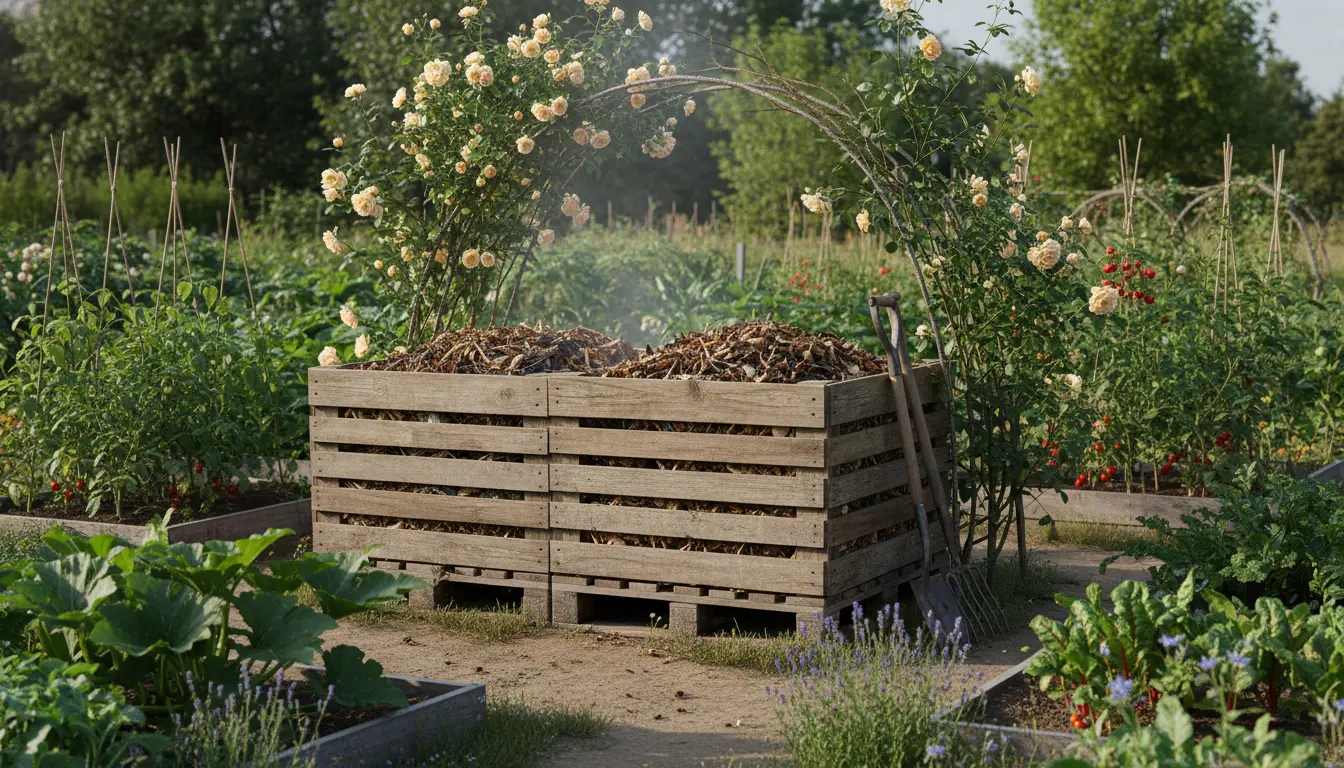
Good for yards and larger volumes of waste. Use a commercially available bin or build a simple three-bin system with pallets.
This method needs occasional turning and can heat up to speed decomposition.
2. Tumbler Composter
Ideal for small yards and easier turning. Tumblers help mix materials quickly and reduce pest access.
They are convenient but hold less material, so you may need two units to maintain a steady supply.
3. Indoor Bokashi or Worm Bin
Best for apartments or cold climates. Bokashi ferments scraps using bran, while worm bins use red worms to create vermicompost.
Both systems handle kitchen scraps well and fit on balconies or under sinks.
What to Put in Your Home Composting Pile
Composting works best with a balance of carbon-rich and nitrogen-rich materials. Follow the simple rule: Browns and Greens.
- Greens (nitrogen): fruit and vegetable scraps, coffee grounds, fresh grass clippings.
- Browns (carbon): dried leaves, cardboard, shredded paper, straw.
Aim for roughly 2–3 parts browns to 1 part greens by volume for a balanced mix.
Step-by-Step Setup for Home Composting
Follow these practical steps to get started right away.
- Choose a location with good drainage and partial shade if outside.
- Select a container or prepare a pile and layer a base of coarse materials for airflow.
- Add alternating layers of greens and browns. Start with a layer of browns.
- Keep the pile moist like a wrung-out sponge. Water lightly during dry spells.
- Turn the pile every 1–3 weeks for faster breakdown, or use a tumbler to mix.
- Monitor temperature: a hot pile (50–70°C) breaks down faster, but cool composting works too.
Troubleshooting Common Home Composting Problems
Home composting can have minor issues that are easy to fix. Check these common signs and solutions.
- Bad odors: Add more browns and turn the pile to introduce air.
- Too dry: Add water and fresh greens to rehydrate the pile.
- Pests or fruit flies: Use an enclosed bin, bury fresh food under browns, or try a Bokashi pre-treatment.
- Slow breakdown: Chop materials smaller, increase turning, and check moisture and balance.
When Is Compost Ready for Use
Finished compost looks dark, crumbly, and smells earthy. It may take 2 months to a year depending on method and conditions.
Use finished compost as soil amendment, potting mix ingredient, or mulch. Mix 10–30% compost into garden beds for best results.
One ton of compost can retain up to 1,000 gallons of water in sandy soils, helping gardens survive dry spells and reducing irrigation needs.
Small Real-World Example: A Simple Home Composting Case Study
Case study: A two-person city household started a worm bin in a balcony cabinet. They diverted kitchen scraps and used shredded paper as bedding.
After six months they reported a 40% reduction in weekly trash volume and produced about 20 liters of vermicompost. Their balcony plants responded with faster growth and fewer fertilizer purchases.
Tips to Keep Home Composting Simple and Successful
- Chop or shred larger items to speed decomposition.
- Keep a countertop collection container with a tight lid to reduce odors and flies.
- Save dry leaves or shredded paper as a brown supply during winter.
- Record what you add and observe changes; small adjustments improve results quickly.
Starter Checklist for Home Composting
- Choose method: backyard bin, tumbler, Bokashi, or worm bin.
- Gather materials: browns (leaves, paper) and greens (food scraps).
- Set up a location and base layer for airflow.
- Monitor moisture, turn regularly, and troubleshoot odors or pests.
Final Notes on Home Composting
Home composting is a low-cost, practical way to cut waste and improve soil. Start small and adapt the system to your routine and space.
With basic balance, moisture control, and occasional turning, most households can produce quality compost within months and see real benefits in garden health and waste reduction.