
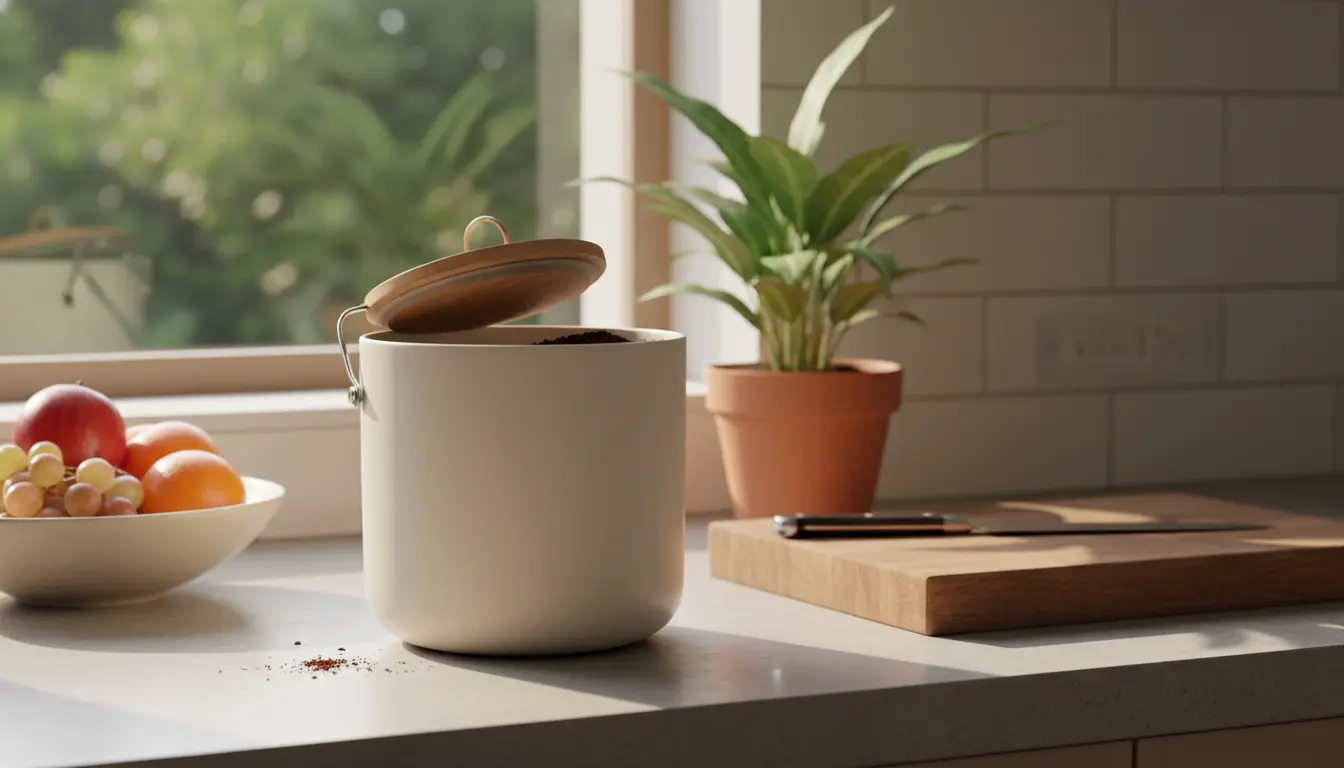
Why Home Composting Matters
Home composting turns kitchen scraps and yard trimmings into valuable soil material. It reduces landfill waste, lowers methane emissions, and feeds your garden naturally.
Composting is a practical skill that saves money on fertilizer and improves soil structure. Anyone with a yard or even a small balcony can compost with the right method.
What Is Home Composting
Home composting is the controlled decomposition of organic materials into a stable product called compost. This process is driven by microbes, oxygen, moisture, and a balance of carbon and nitrogen.
Compost improves water retention, supplies nutrients, and supports beneficial soil life. Learning basic principles helps you manage the process effectively.
Getting Started With Home Composting
Choose a compost method that fits your space and commitment level. Common options include a simple compost pile, a bin, a tumbler, or a worm (vermicompost) system.
Place the bin on bare soil if possible to allow organisms to enter and drain excess moisture. Aim for a level, accessible location with some shade.
Materials to Compost
Balance ‘greens’ (nitrogen-rich) with ‘browns’ (carbon-rich) to keep decomposition active. A good rule of thumb is about 2–3 parts browns to 1 part greens by volume.
- Greens: fruit and vegetable scraps, coffee grounds, fresh grass clippings.
- Browns: dry leaves, shredded paper, cardboard, straw.
- Avoid: meat, dairy, oils, pet waste, and diseased plants to prevent pests and odors.
Simple Step-by-Step Process
Start with a base layer of coarse browns to help aeration. Add alternating layers of greens and browns, keeping the pile moist but not soggy.
Turn the pile every 1–2 weeks to add oxygen and speed up decomposition. In a tumbler, rotate several times per week for faster results.
Choosing the Right Compost Method
Select a method based on available space, speed desired, and how much maintenance you want. Each method has pros and cons.
Backyard Bin or Pile
Good for yards and larger volumes. Cheap and low-tech, but slower without regular turning.
Compost Tumbler
Easy to turn and cleaner-looking, tumblers accelerate aeration and are good for urban yards. They cost more than simple bins but reduce manual effort.
Vermicompost (Worm Bin)
Ideal for apartment dwellers or small-space gardeners. Worms process kitchen scraps quickly and produce high-quality castings.
Troubleshooting Common Issues
Bad smells usually mean too much moisture or too many greens. Add dry browns and turn the pile to restore balance and airflow.
Slow decomposition can result from low temperatures, lack of oxygen, or insufficient nitrogen. Chop materials smaller and turn more frequently to boost activity.
Dealing With Pests
Raccoons, rodents, and flies are attracted by exposed food scraps. Bury fresh scraps under a layer of browns and use a closed bin or secure lid when needed.
Compost can retain up to 40% more water than regular soil, reducing the need for irrigation in dry spells.
How Long Does Home Composting Take?
Time depends on method and management. Hot composting with regular turning and the right carbon:nitrogen ratio can yield usable compost in 2–3 months.
Cold composting or unturned piles may take 6–12 months but require less effort. Vermicompost systems can produce finished castings in 2–4 months for small volumes.
Using Finished Compost
Finished compost looks dark, crumbly, and earth-like with no recognizable food bits. Use it as a soil amendment, top-dressing, or part of potting mixes.
For gardens, mix compost into beds at 2–4 inches per season to improve soil structure and fertility gradually.
Small Real-World Case Study
Laura, a renter with a balcony garden, started a small worm bin using a plastic tub and local red wigglers. She fed the worms mostly vegetable scraps and shredded paper for bedding.
Within three months she produced several liters of worm castings and reduced her kitchen waste by over 60%. Her potted herbs grew more vigorously after she mixed castings into their soil.
Quick Checklist to Start Home Composting
- Choose a bin or method that fits your space.
- Collect a mix of greens and browns; aim for 2–3:1 browns to greens.
- Keep the pile moist and aerated — turn regularly if possible.
- Monitor for pests and odors and adjust materials accordingly.
- Harvest finished compost when dark and crumbly.
Final Tips
Start small and learn by doing; composting is forgiving and adaptable. Track what you add and how the pile responds to find the best routine for your home.
Consult local resources or community gardens for free materials like shredded leaves or advice. With modest effort, home composting becomes an easy, rewarding way to cut waste and improve soil.