
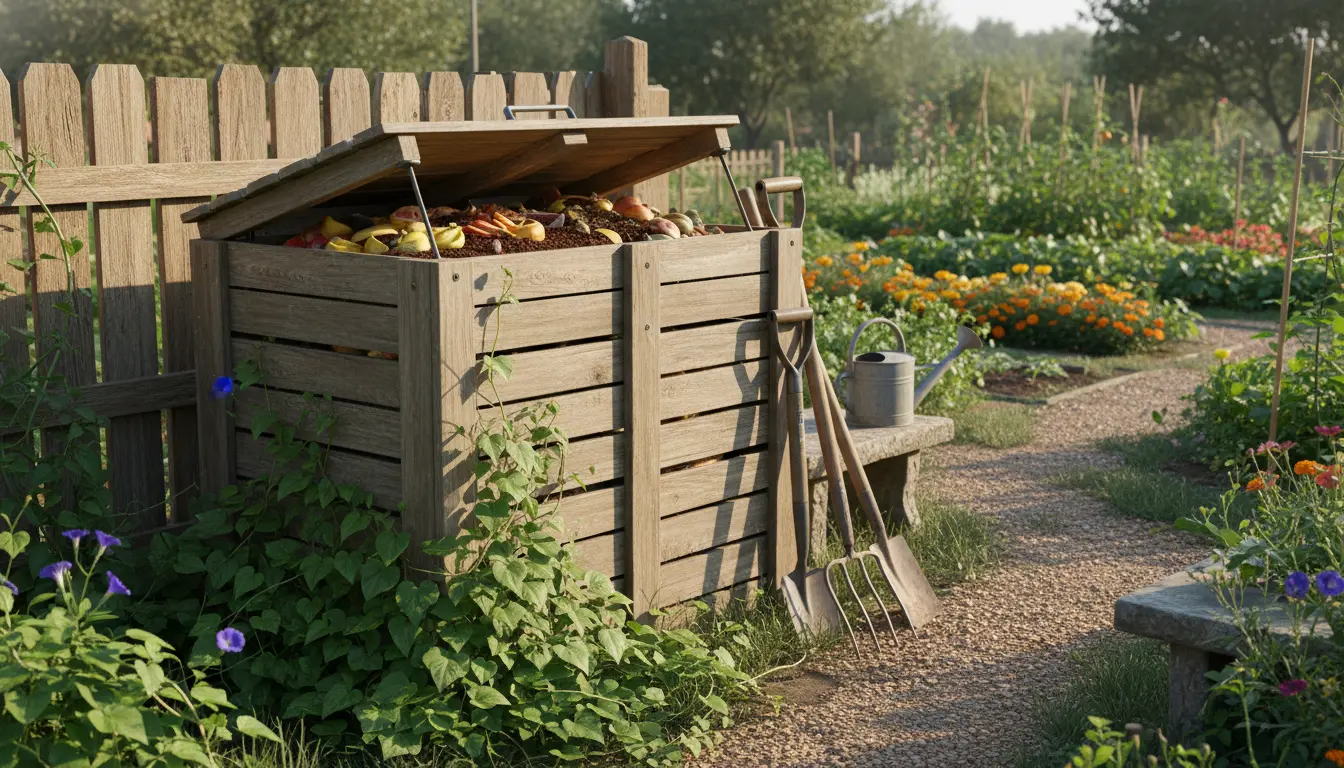
Home Composting Basics
Home composting turns kitchen scraps and yard waste into nutrient-rich soil. It reduces trash, saves money, and improves garden health.
This guide covers the simple steps to start and maintain a compost pile at home, using easy-to-follow practices for consistent results.
Why Try Home Composting
Composting reduces household waste and provides a free soil amendment for lawns and gardens. It helps retain moisture, improves soil structure, and feeds plants.
Even small apartment setups can compost with a bin or worm system, making this practice accessible for most households.
Food scraps and yard waste make up about 30% of household trash by weight. Composting can divert most of this from landfills.
Choosing a Home Composting Method
Select a method that fits your space and schedule. The main options are a simple pile, a covered bin, or vermicomposting with worms.
Each method has pros and cons depending on space, odor concerns, and how fast you want compost.
Backyard Compost Bin
A covered bin keeps pests out and retains heat and moisture. Choose a plastic or wooden bin with ventilation for best results.
Good for homeowners with moderate yard waste and kitchen scraps.
Compost Pile
An open pile is the simplest option and works well if you have ample yard space. Turn it periodically to speed decomposition.
Less control over pests and moisture than a closed bin, but very low cost.
Vermicomposting
Worm bins are ideal for apartments or small yards. Red worms break down food quickly and produce rich castings.
Keeps odors low when managed and is compact enough for balconies or indoors with proper setup.
What to Compost: Balancing Greens and Browns
Successful home composting depends on a balance of green (nitrogen) and brown (carbon) materials. Aim for a ratio near 2:1 by volume of browns to greens.
Greens include vegetable scraps, coffee grounds, and fresh grass clippings. Browns include dry leaves, shredded paper, and wood chips.
- Greens: kitchen scraps, fresh grass, garden trimmings
- Browns: dry leaves, cardboard, straw, shredded newspaper
- Avoid: meat, dairy, oily foods, diseased plants, and pet waste
Step by Step: Start Your Home Composting Pile
Follow these practical steps to set up and maintain an efficient compost pile at home.
1. Pick a Spot
Choose a level, well-drained location with partial sun. Near a water source is helpful but not required.
Accessibility matters; place the bin where you will easily add scraps and turn the pile.
2. Build a Base Layer
Start with 4–6 inches of coarse browns like twigs or straw to encourage airflow at the bottom of the bin.
This helps drainage and prevents compaction near the base.
3. Add Materials in Layers
Add a layer of greens (food scraps or fresh clippings), then cover with a thicker layer of browns. Repeat until the bin is full.
Covering greens with browns reduces odor and deters pests.
4. Maintain Moisture and Aeration
Compost should be as damp as a wrung-out sponge. Add water in dry spells or add browns if it becomes too wet.
Turn the pile every 1–2 weeks to introduce oxygen and speed up decomposition.
5. Know When Compost Is Ready
Finished compost is dark, crumbly, and earthy-smelling. It usually takes 2–6 months depending on pile size and maintenance.
Screen if you want fine compost; larger pieces can go back into the pile to continue breaking down.
Tips to Speed Up Home Composting
Want compost faster? Increase surface area and microorganism activity with these methods.
- Chop or shred materials before adding them.
- Keep the pile moist and well-aerated by turning frequently.
- Use a balanced mix of greens and browns—too much wet green slows the process.
- Add finished compost or garden soil to introduce microbes.
Small Case Study: Suburban Household Success
Emma, a homeowner with a small backyard, started a 3-bin compost system. She layered kitchen scraps with shredded leaves and turned each bin weekly.
In six months she produced enough compost to amend three raised beds, reduced trash volume, and reported healthier, more productive plants.
Common Problems and Fixes for Home Composting
Some common issues are odors, slow breakdown, and pests. Most problems are easy to fix with simple adjustments.
- Smells: Add more browns and turn the pile to add air.
- Slow decomposition: Chop materials, maintain moisture, and turn more often.
- Pests: Bury food scraps deeper or use a secure bin with a lid.
Using Finished Compost in Your Garden
Mix finished compost into planting beds at a ratio of 1:4 compost to soil or use as a top dressing around established plants.
Compost can also be used to make a nutrient-rich tea for liquid feeding.
Final Checklist for Successful Home Composting
- Choose the right bin or method for your space.
- Balance greens and browns and maintain moisture.
- Turn the pile regularly to add oxygen.
- Monitor and adjust for odors, pests, or slow breakdown.
With a small time investment and basic care, home composting can turn everyday waste into a valuable resource for your garden. Start small, observe changes, and adjust your routine to suit your climate and materials.