
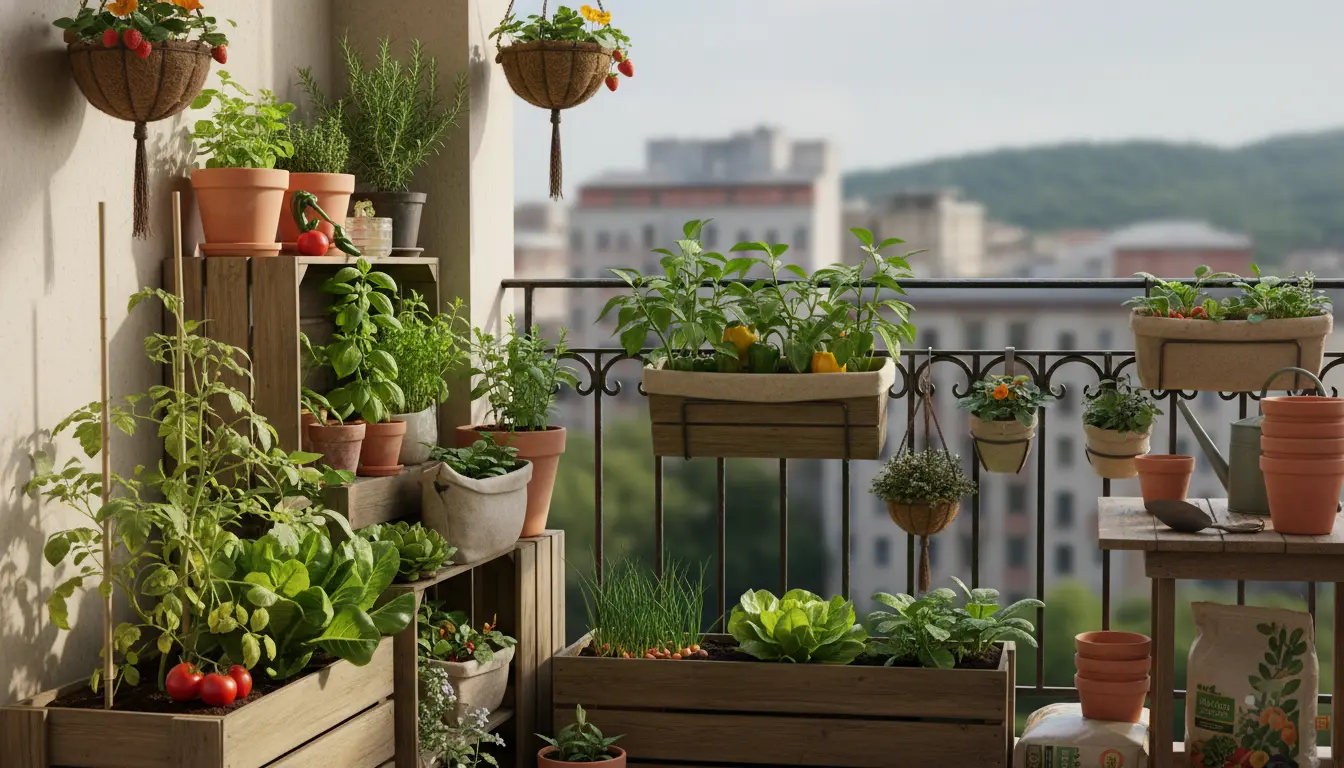
Growing vegetables in limited space is practical and rewarding. This guide shows clear steps to create a productive small space vegetable garden on balconies, patios, or tiny yards.
Plan Your Small Space Vegetable Garden
Start by assessing available space, light, and weight limits. Measure the area, note sun hours, and check any building or HOA rules for containers.
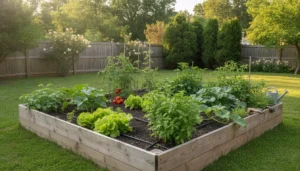
Decide on the growing method you will use. Common options include containers, raised beds, vertical planters, and hanging baskets.
Choose the Right Location for a Small Space Vegetable Garden
Most vegetables need 6–8 hours of direct sun. Place the garden where it receives the best daily sunlight. If full sun is unavailable, select shade-tolerant crops.
Consider airflow and access to water. A location near a faucet reduces irrigation hassle and prevents long hose runs that can be trip hazards.
Soil, Containers, and Tools for Small Space Vegetable Garden Success
Good soil or growing mix is the foundation. Use a high-quality potting mix with compost for containers to ensure drainage and nutrient retention.
- Container choices: plastic pots, fabric grow bags, wooden boxes, or repurposed tubs.
- Soil mix: equal parts compost, peat-free potting mix, and coarse grit for drainage.
- Tools: trowel, watering can, pruning shears, and a soil moisture meter.
Choose containers with drainage holes to prevent root rot. If weight is a concern, pick lightweight pots or fabric planters and avoid filling them with heavy materials.
How to Maximize Soil Volume in Small Space Vegetable Gardens
Deeper containers support larger plants and longer cropping cycles. Aim for 12 inches depth for most vegetables and 18 inches for root crops like carrots.
Use vertical space to increase plantable area. Trellises, stacked planters, and wall-mounted pockets multiply yields per square foot.
Select Vegetables for a Small Space Vegetable Garden
Select crops that suit containers and compact spaces. Focus on high-yield, fast-growing, or high-value plants for the best return on space.
- Easy choices: lettuce, spinach, radishes, herbs, cherry tomatoes, peppers, and bush beans.
- Vertical or compact varieties: determinate tomatoes, dwarf peppers, and patio cucumbers.
- Succession planting: sow small fast crops between slower-growing plants to use space efficiently.
Consider companion planting: basil with tomatoes or lettuce beneath taller plants to shade soil and reduce weeds.
Watering and Fertilizing a Small Space Vegetable Garden
Containers dry out faster than ground soil. Check moisture daily in hot weather and water thoroughly when the top inch is dry.
Use a balanced liquid fertilizer or slow-release granular formula designed for vegetables. Feed according to package directions, typically every 2–4 weeks during the main season.
Pest Management and Maintenance in Small Space Vegetable Gardens
Keep the garden tidy to reduce pests. Remove diseased leaves, rotate crops container-to-container each season, and avoid overwatering to limit fungal problems.
Use physical barriers like row covers or netting for birds and insects. For common pests, apply targeted organic controls such as insecticidal soap or neem oil when needed.
Pruning and Support for Small Space Vegetable Garden Plants
Support vining or heavy-fruiting plants with stakes or cages. Prune indeterminate tomatoes and remove suckers to maintain airflow and focus energy on fruit production.
Thin seedlings early to prevent overcrowding. Proper spacing improves light penetration and reduces disease risk.
Efficient Layouts and Techniques for a Small Space Vegetable Garden
Use these layout ideas to maximize productivity in a small space vegetable garden. Plan for access paths so you can reach each container for harvesting and maintenance.
- Vertical wall: hang pocket planters for herbs and leafy greens.
- Tiered shelving: stack smaller pots or seed trays for sun-loving herbs.
- Rail planters: attach long narrow boxes to balcony rails for strawberries and lettuce.
Consider intercropping: plant fast-growing radishes or lettuce alongside slower tomato plants to harvest sooner and fill empty space.
Season Extension for Small Space Vegetable Gardens
Extend the growing season with cloches, cold frames, or row covers. These simple structures raise temperatures and protect sensitive seedlings from cold snaps.
Start seeds indoors to get a head start, then transition seedlings outdoors after hardening off for a longer productive season.
Case Study: Balcony Yield from a Small Space Vegetable Garden
Jane, an apartment resident, converted a 6 x 2 foot balcony into a small space vegetable garden using containers and vertical planters. She grew three cherry tomato plants, two pepper plants, a tier of salad greens, and herb pots.
In one season she harvested roughly 30 pounds of tomatoes, multiple batches of herbs, and a continuous supply of salad greens. Her setup used 4 large fabric pots and a vertical pocket planter, with weekly watering and monthly fertilizing.
Key takeaways: choose compact varieties, use vertical space, and plan for continuous sowing to keep harvests steady.
Quick Checklist for Starting a Small Space Vegetable Garden
- Measure light and space and confirm rules for containers.
- Select containers with good drainage and the right depth.
- Choose compact or vertical-friendly crops.
- Use quality potting mix and feed regularly.
- Water consistently and monitor pests early.
With planning and simple techniques, a small space vegetable garden can produce meaningful food for a household. Start small, track what works, and expand gradually each season.