
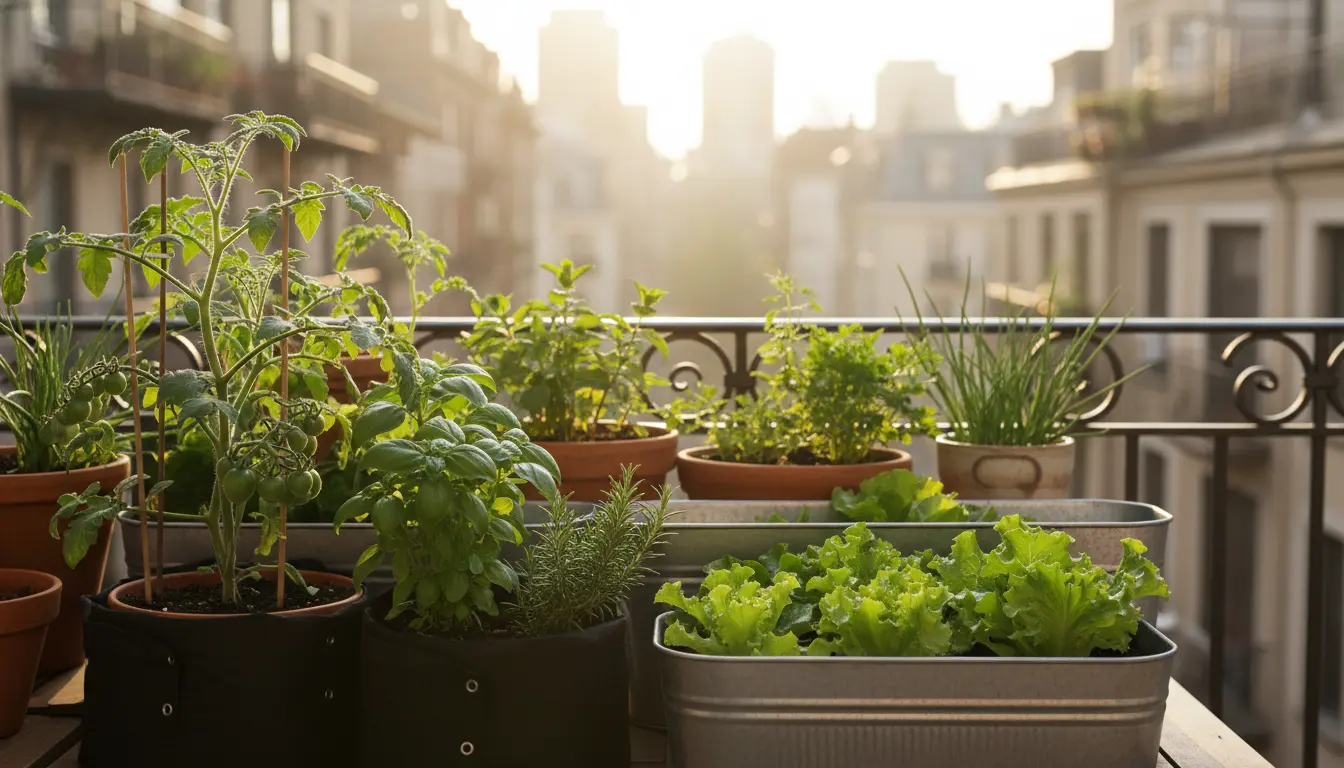
Starting a small vegetable garden is achievable whether you have a balcony, patio, or a narrow strip of yard. This guide gives clear, practical steps to plan, plant, and care for productive small spaces.
Many common vegetables like lettuce, radishes, and bush beans mature in under 60 days, making them ideal for small gardens and quick harvests.
Why choose a small vegetable garden
Small vegetable gardens are low cost, easier to manage, and ideal for beginners. They let you grow fresh produce close to the kitchen, reducing waste and trips to the store.
Concentrating on a few high-yield plants makes the most of limited space and effort.
Planning your small vegetable garden
Good planning reduces mistakes. Start by measuring available space, listing sunlight hours, and deciding whether you will use containers or raised beds.
Simple sketches help set out plant positions and rotate crops from season to season.
Choose the right location
Most vegetables need 6 or more hours of direct sunlight. South-facing balconies or patios usually work best. If you have less sun, focus on shade-tolerant crops like leafy greens and herbs.
Consider access to water and how weight on balconies may limit large soil volumes.
Pick containers and soil
Containers should be deep enough for roots: 6–8 inches for herbs and lettuce, 12–18 inches for tomatoes and peppers. Use containers with drainage holes to avoid waterlogging.
Choose a high-quality potting mix labeled for vegetables; avoid garden soil in containers because it compacts and drains poorly.
What to plant in a small vegetable garden
Select crops that match your space, sun, and taste. Start with easy, fast-return plants to build confidence.
- Lettuce and salad greens — fast and space-efficient
- Radishes — mature in 3–4 weeks
- Cherry tomatoes — compact varieties do well in pots
- Herbs like basil, parsley, and chives — useful and small
- Bush beans and dwarf peas — good yields in small beds
Consider vertical growing for vining crops: use trellises for peas, beans, and indeterminate tomatoes to save floor space.
Planting and care for a small vegetable garden
Proper planting depth and spacing help plants thrive. Follow seed packet or plant tag instructions for depth and spacing, but feel free to plant slightly closer in small gardens.
Consistent watering is critical. Most vegetables prefer even moisture; allow the top inch of soil to dry before watering again.
Watering tips
Water in the morning to reduce evaporation and disease. Use a drip system or a watering can to deliver water directly to the soil and avoid wetting foliage.
Mulch container surfaces with straw or shredded bark to conserve moisture and reduce weeds.
Feeding and soil health
Small gardens rely on container soil fertility. Use a balanced liquid fertilizer every 2–4 weeks or a slow-release granular fertilizer at planting.
Add compost each season to renew organic matter and improve structure.
Pest and disease control
Inspect plants weekly. Handpick slugs and caterpillars, and remove infected leaves promptly. Use row covers for protection against flying pests early in the season.
Encourage beneficial insects by planting flowers like calendula or alyssum nearby.
Succession planting and season extension
Succession planting keeps small gardens producing. Sow quick crops like radishes or lettuce every 2–3 weeks for continuous harvests.
Use cloches or a cold frame to extend the season by a few weeks in spring and fall.
Small vegetable garden case study: Maria’s Balcony
Maria had a 6-foot by 3-foot balcony that received 6 hours of sun. She used two 24-inch raised troughs and three 12-inch pots.
She planted cherry tomatoes and basil in the troughs and lettuce and radishes in the pots. Over one season she harvested enough salad greens for two people and several tomato harvests. Succession planting of lettuce produced continuous leaves for three months.
Her key wins were regular watering twice a week, weekly liquid feed, and a simple trellis for tomato support.
Troubleshooting common problems
- Yellow leaves: Check for overwatering or nutrient deficiency.
- Slow growth: Ensure enough sunlight and check root space in containers.
- Poor fruit set on tomatoes: Ensure daytime temperatures are not consistently above 85°F and that plants get enough potassium.
Quick start checklist for a small vegetable garden
- Measure space and sunlight hours
- Choose containers with drainage and quality potting mix
- Select 3–5 easy crops suited to your light
- Plant with correct spacing and water consistently
- Feed regularly and monitor pests weekly
With basic planning and routine care, a small vegetable garden can supply fresh produce for months. Start with a manageable setup, learn from each season, and expand as you gain confidence.