
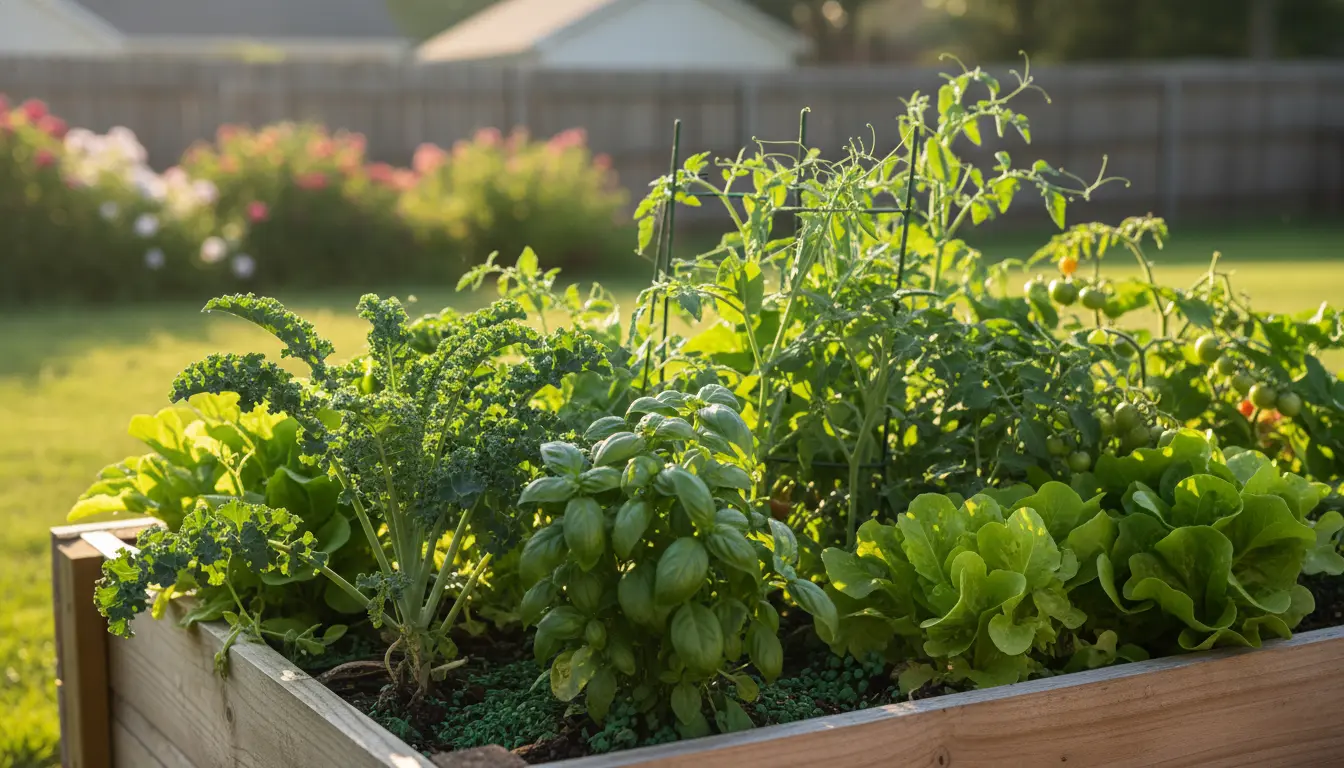
Starting a vegetable garden at home is a practical way to grow fresh food, save money, and enjoy outdoor activity. This guide gives clear, step-by-step instructions you can follow whether you have a yard, balcony, or small patio.
How to Start a Vegetable Garden: Plan Your Garden
Good planning reduces mistakes and makes your first season easier. Decide what you want to grow based on space, climate, and how you like to eat.
Start small. A 4×4 or 4×8 raised bed is manageable for beginners and yields a surprising amount of vegetables.
Choose Vegetables That Match Your Skills
Begin with easy, high-reward crops. Choose varieties that mature quickly and tolerate local conditions.
- Lettuce, spinach, and radishes — fast and forgiving.
- Tomatoes and peppers — productive but need support and warmth.
- Green beans and zucchini — high yield and simple care.
How to Start a Vegetable Garden: Pick the Right Location
Sunlight, access to water, and soil are the primary site factors. Most vegetables need 6–8 hours of direct sun each day.
If you lack full sun, choose leafy greens or grow in containers you can move to brighter spots.
Inspect Soil and Drainage
Good drainage prevents root rot. Dig a small hole and fill with water to check how quickly it drains; if it stays for more than 24 hours, improve drainage with raised beds or amended soil.
How to Start a Vegetable Garden: Prepare the Soil
Healthy soil is the foundation of a productive garden. Test or evaluate soil texture and organic matter before planting.
Improve soil with organic matter like compost, aged manure, or leaf mold. Mix 2–4 inches of compost into the top 6–8 inches of soil.
- For heavy clay, add coarse sand and compost to increase drainage.
- For sandy soil, add compost and composted manure to improve water retention.
- Consider a simple soil test kit to check pH and nutrients.
How to Start a Vegetable Garden: Planting Basics
Follow spacing and depth instructions on seed packets or plant tags. Crowding plants reduces airflow and increases disease risk.
Use succession planting to extend harvests. Sow lettuce or radish seeds every 2–3 weeks for continuous production.
Starter Tips for Seed and Transplanting
Start seeds indoors 4–8 weeks before the last frost for warm-season crops. Harden off transplants by gradually exposing them to outdoor conditions over a week.
When direct-sowing, keep soil moist until seeds germinate. Thin seedlings to recommended spacing to reduce competition.
How to Start a Vegetable Garden: Watering and Fertilizing
Consistent moisture is key. Most vegetables need about 1 inch of water per week, delivered deeply rather than frequently.
Use soaker hoses or drip irrigation to reduce evaporation and keep foliage dry. Water early in the day when possible.
- Mulch around plants to retain moisture and suppress weeds.
- Fertilize with balanced organic fertilizers or compost tea based on crop needs.
How to Start a Vegetable Garden: Pests and Disease Management
Preventive steps reduce most problems. Rotate crops yearly and remove plant debris each fall to disrupt pest life cycles.
Use row covers to protect young plants and encourage beneficial insects like ladybugs and lacewings for pest control.
When to Use Organic Controls
Choose organic sprays or hand-removal for small infestations. Bacillus thuringiensis (Bt) targets caterpillars, while insecticidal soap manages soft-bodied pests.
Monitor plants weekly to catch problems early. Early detection is more effective and less work than late-stage treatment.
Simple Real-World Example: Balcony Garden Case Study
Case study: Jane from Seattle started a balcony vegetable garden in a 6-foot by 3-foot area. She used three 12-inch deep containers, potting mix, and a sunny railing location.
She planted cherry tomatoes, basil, and salad greens. By following consistent watering and weekly compost tea feeding, she harvested fresh salad greens for four months and plenty of tomatoes for sauces.
Key results: low cost setup under $100, regular harvests, and a noticeable drop in grocery salad purchases.
How to Start a Vegetable Garden: Seasonal Care and Harvesting
Adjust care as the season changes. Reduce watering in cooler weather and protect tender crops from early frost with covers or moveable containers.
Harvest frequently to encourage continued production. Pick vegetables at peak ripeness for best flavor and nutrient content.
Quick Harvesting Tips
- Pick leafy greens when young and tender.
- Harvest tomatoes when fully colored and slightly soft.
- Pick beans before the pods bulge for the best texture.
Starting a vegetable garden at home is approachable with planning, basic soil work, and regular care. Begin small, learn from each season, and expand after your first successes.