
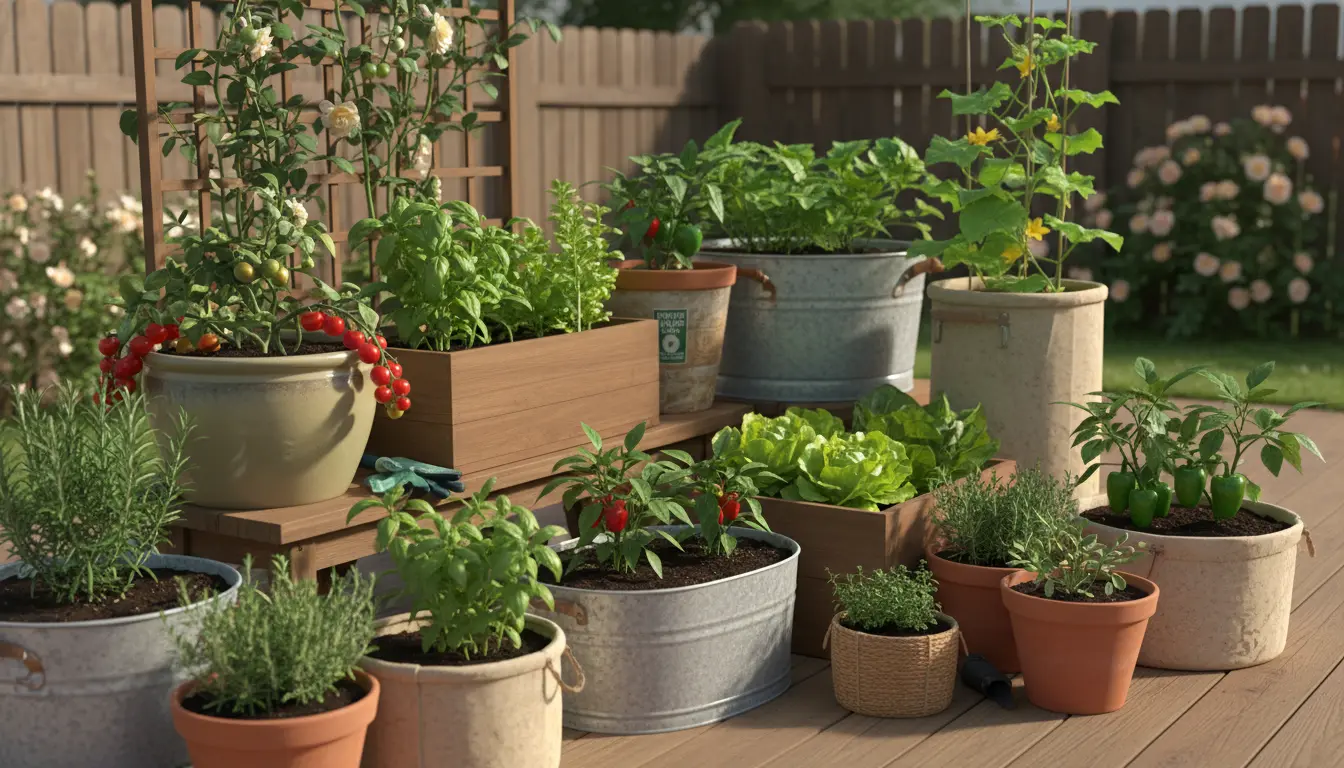
Starting a vegetable garden is an achievable project for most homes, balconies, or community plots. This guide focuses on practical steps you can follow to plan, plant, and maintain a productive garden with minimal fuss.
Choose Where to Start a Vegetable Garden
Location affects plant health and harvest. Pick a spot that gets at least 6 hours of direct sunlight daily for most vegetables.
Consider proximity to water, soil type, and ease of access. If space is limited, containers or raised beds work well.
Assess Sun and Space
- Track sun exposure for a few days to confirm hours of light.
- Measure available width and depth; many vegetables need 12–18 inches of soil depth.
- Plan rows or container arrangements to avoid shading later in the season.
Prepare Soil and Containers
Good soil is the foundation of a successful garden. Test or inspect soil texture and drainage before planting.
For in-ground beds, loosen soil and add organic matter. For containers, choose a high-quality potting mix that drains well.
Soil Preparation Steps
- Remove weeds and debris from the planting area.
- Mix in 2–3 inches of compost or well-rotted manure per 6–12 inches of soil depth.
- Level the bed and water lightly to settle the mix before planting.
Pick Vegetables to Grow
Choose vegetables suited to your climate, season, and growing space. Start with easy, productive choices for beginners.
Common starter crops include tomatoes, lettuce, radishes, beans, zucchini, and herbs like basil.
Consider These Factors
- Growing season length and frost dates in your area.
- How much time you can commit weekly for watering and maintenance.
- Whether you want continuous harvests (lettuce) or a single large harvest (pumpkin).
Plan Planting and Timing
Use your local frost dates to schedule seed starting and transplanting. Many seed packets give clear timing advice.
Stagger plantings (succession sowing) to extend harvests for crops like lettuce and radishes.
Simple Planting Plan
- Early spring: peas, spinach, radishes
- Late spring/early summer: tomatoes, peppers, beans
- Fall: broccoli, kale, late lettuce
Watering and Fertilizing
Consistent water is more important than frequent water. Aim for deep, less frequent watering that encourages strong roots.
Feed with balanced organic fertilizer or compost tea according to plant needs. Avoid over-fertilizing leafy green crops late in the season.
Watering Tips
- Water in the morning to reduce disease risk and evaporation.
- Use soaker hoses or drip irrigation for efficient, deep watering.
- Mulch around plants to conserve moisture and suppress weeds.
Pest and Disease Management
Monitor plants weekly for pests and early signs of disease. Early detection prevents small problems from becoming large ones.
Use these low-risk strategies before chemical controls: hand-picking pests, row covers, crop rotation, and encouraging beneficial insects.
Quick Prevention Checklist
- Keep beds clean of dead foliage and fallen fruit.
- Rotate plant families annually to reduce soil-borne disease.
- Introduce ladybugs and lacewings for aphid control.
Interplanting basil with tomatoes can improve tomato flavor and reduce certain pests. Companion planting is a simple tactic to support plant health without chemicals.
Harvesting and Storage
Harvest vegetables at their peak for the best flavor. Learn visual and tactile cues: lettuce leaves tender, tomatoes fully colored, beans firm and crisp.
Store produce properly to extend freshness. Leafy greens keep longer if washed, spun dry, and stored in a sealed container with a paper towel.
Simple Storage Tips
- Tomatoes: room temperature away from direct sun until ripe, then refrigerate only if needed.
- Root vegetables: cool, dark, slightly humid storage keeps them firm.
- Herbs: trim stems and place in a jar of water like a bouquet, cover with a plastic bag in the fridge.
Case Study: A Small Balcony Garden
Clara had a 6-foot balcony and wanted fresh herbs and salad greens. She used three 12-inch containers and one deep planter box.
She planted basil, cherry tomatoes, leaf lettuce, and a couple of pepper plants. With morning sun, regular watering, and weekly compost tea, she harvested salad greens within 6 weeks and three months of cherry tomatoes.
Her simple arrangement produced enough weekly greens for two people and reduced her grocery herb spending significantly.
Final Checklist to Start a Vegetable Garden
- Choose a sunny, accessible spot or select containers for limited space.
- Prepare soil or purchase quality potting mix and add compost.
- Select easy crops for your climate and plan planting dates around frost.
- Water deeply, mulch, and monitor pests weekly.
- Harvest at peak ripeness and store properly to enjoy your produce longer.
With planning, modest effort, and simple maintenance, you can start a vegetable garden that provides fresh produce and a satisfying hobby. Begin small, learn each season, and expand as you gain confidence.