
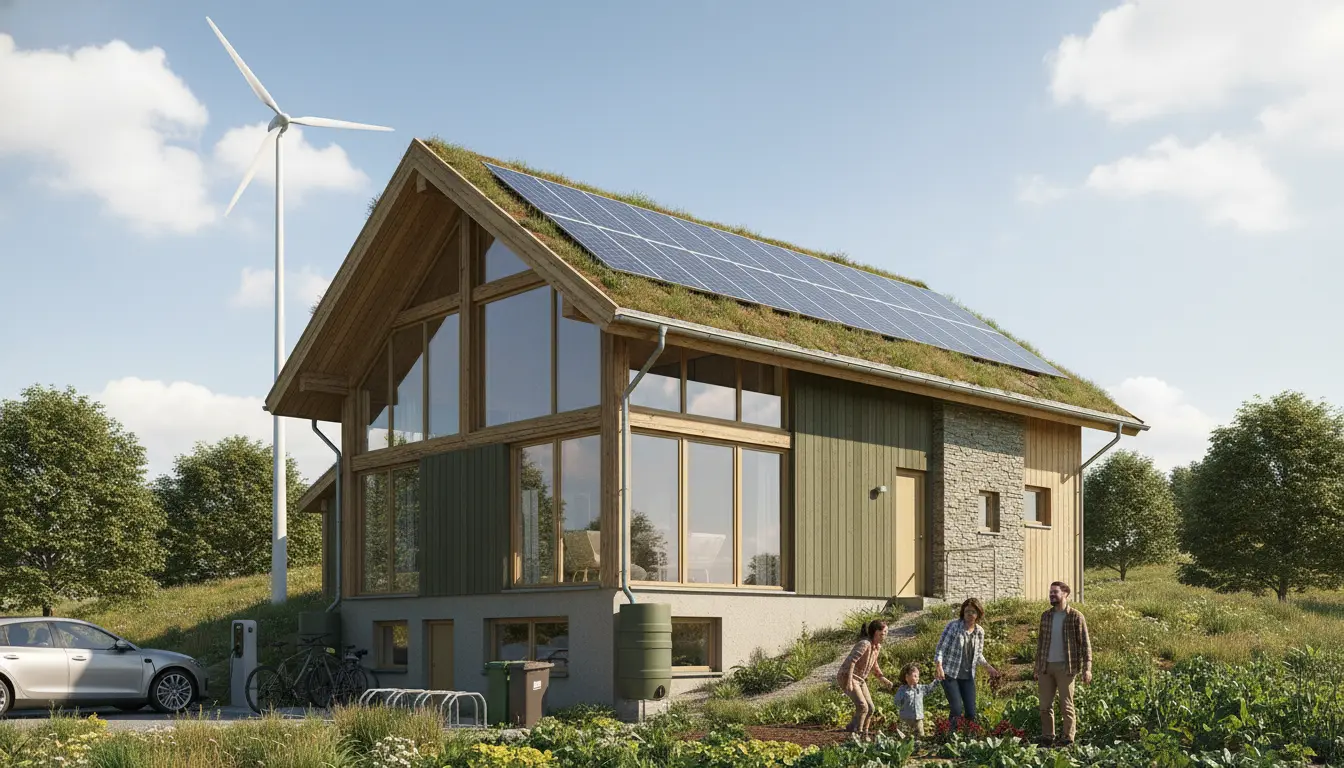
Making targeted home energy efficiency upgrades reduces utility bills, improves comfort, and raises property value. This guide outlines practical, evidence-based actions you can take, with clear steps and cost considerations.
Why Home Energy Efficiency Upgrades Matter
Upgrading your home for energy efficiency lowers monthly costs and reduces environmental impact. Many improvements pay back within a few years through savings on heating, cooling, and electricity.
Key Upgrades for Home Energy Efficiency Upgrades
Focus on high-impact, cost-effective measures first. These often include insulation, air sealing, efficient heating and cooling, and lighting.
Insulation and Air Sealing
Insulation keeps conditioned air where you want it and reduces system run time. Air sealing stops drafts and prevents heat loss through gaps and cracks.
- Attic insulation: Add or replace to recommended R-values for your climate.
- Wall and floor insulation: Consider blown-in insulation for existing walls.
- Air sealing: Use caulk and weatherstripping around windows, doors, and penetrations.
Heating, Ventilation, and Air Conditioning (HVAC)
Older HVAC systems can be inefficient and costly. Improve performance with maintenance, smart controls, or replacing with a higher-efficiency model.
- Regular tune-ups: Clean filters, inspect ducts, and check refrigerant levels.
- Programmable or smart thermostats: Save energy by optimizing schedules.
- High-efficiency HVAC units: Look for ENERGY STAR ratings and proper sizing.
Windows and Doors
Upgrading windows and doors can reduce drafts and improve comfort. Prioritize sealing and secondary glazing before full replacements for cost-effectiveness.
- Weatherstrip and caulk existing frames to stop leaks.
- Install window film or storm windows for added insulation.
- Replace very old single-pane windows with double-pane low-E models if budget allows.
Lighting and Appliances
Small changes add up. Switching to efficient lighting and appliances lowers electricity use immediately.
- Replace incandescent bulbs with LED equivalents.
- Upgrade to ENERGY STAR appliances when replacing old units.
- Use smart power strips to cut vampire loads from standby devices.
How to Plan Home Energy Efficiency Upgrades
A systematic plan helps prioritize projects and manage budget. Use the following steps as a roadmap for effective upgrades.
Step 1: Conduct an Energy Audit
An energy audit identifies where your home loses energy. DIY audits are useful, but a professional audit provides blower door testing and infrared scans for precise results.
Step 2: Prioritize Based on Impact and Cost
Rank upgrades by expected energy savings, upfront cost, and payback period. Start with low-cost, high-impact actions like sealing and LEDs.
Step 3: Implement in Phases
Break work into manageable phases over months or years. Address safety and urgent issues first, then bigger investments like insulation or HVAC replacement.
Costs, Incentives, and Payback
Costs vary widely depending on home size and local labor rates. Many regions offer rebates, tax credits, or low-interest financing for energy upgrades.
- Check utilities and government programs for incentives before starting work.
- Calculate simple payback: divide upfront cost by annual energy savings.
- Consider long-term value: lower bills, higher resale value, and improved comfort.
Sealing air leaks and adding attic insulation together can cut heating and cooling energy use by up to 20% in many homes.
Small Upgrades with Big Results
Not every upgrade requires a contractor. These low-cost actions often deliver quick savings and improved comfort.
- Install LED bulbs: Typical payback less than a year depending on usage.
- Add weatherstripping to exterior doors: Quick DIY that reduces drafts.
- Use a smart thermostat: Reduces wasted heating and cooling daily.
Real-World Example: A Simple Case Study
Case: A 1,800 sq ft suburban home in a temperate climate completed three upgrades: attic insulation, air sealing, and a smart thermostat.
Results: First-year energy bills fell by roughly 28%. The project cost was about $3,200 and estimated annual savings were $900, giving a payback under four years. Comfort improved and the HVAC runtime dropped significantly.
Common Mistakes to Avoid
Be careful to avoid upgrades that don’t address root problems. For example, installing a new furnace without fixing duct leaks wastes potential savings.
- Skipping diagnostics: Don’t replace equipment before identifying inefficiencies.
- Ignoring ventilation: Over-sealing without proper ventilation can harm indoor air quality.
- Poor installation: Use qualified contractors for insulation and HVAC to get promised performance.
Checklist: First Steps for Home Energy Efficiency Upgrades
- Schedule an energy audit (DIY or professional).
- Seal visible air leaks and add attic insulation where needed.
- Switch to LED lighting and install a smart thermostat.
- Research local rebates and incentives before buying equipment.
- Plan larger projects like window replacement or HVAC upgrade in phases.
Home energy efficiency upgrades are practical investments that reduce costs and improve living conditions. Start with diagnostics, focus on high-impact fixes, and use incentives to lower upfront costs. With a clear plan, you can make steady progress and see measurable savings within a few years.