
Work From Home Productivity: Practical Strategies
Working from home requires new habits and simple systems to stay productive. Without an office structure, small distractions multiply and time can slip away.
This guide gives clear, actionable steps to improve your work from home productivity with minimal fuss.
Set a Clear Work Routine for Better Work From Home Productivity
Establish a daily routine that marks the start and end of work. Routines reduce decision fatigue and keep your day predictable.
- Start time: pick a consistent time to begin work each day.
- Morning ritual: 10–20 minutes for planning, emails, or light tasks.
- End time: a clear signal to stop work and switch to personal time.
Design a Dedicated Workspace to Boost Work From Home Productivity
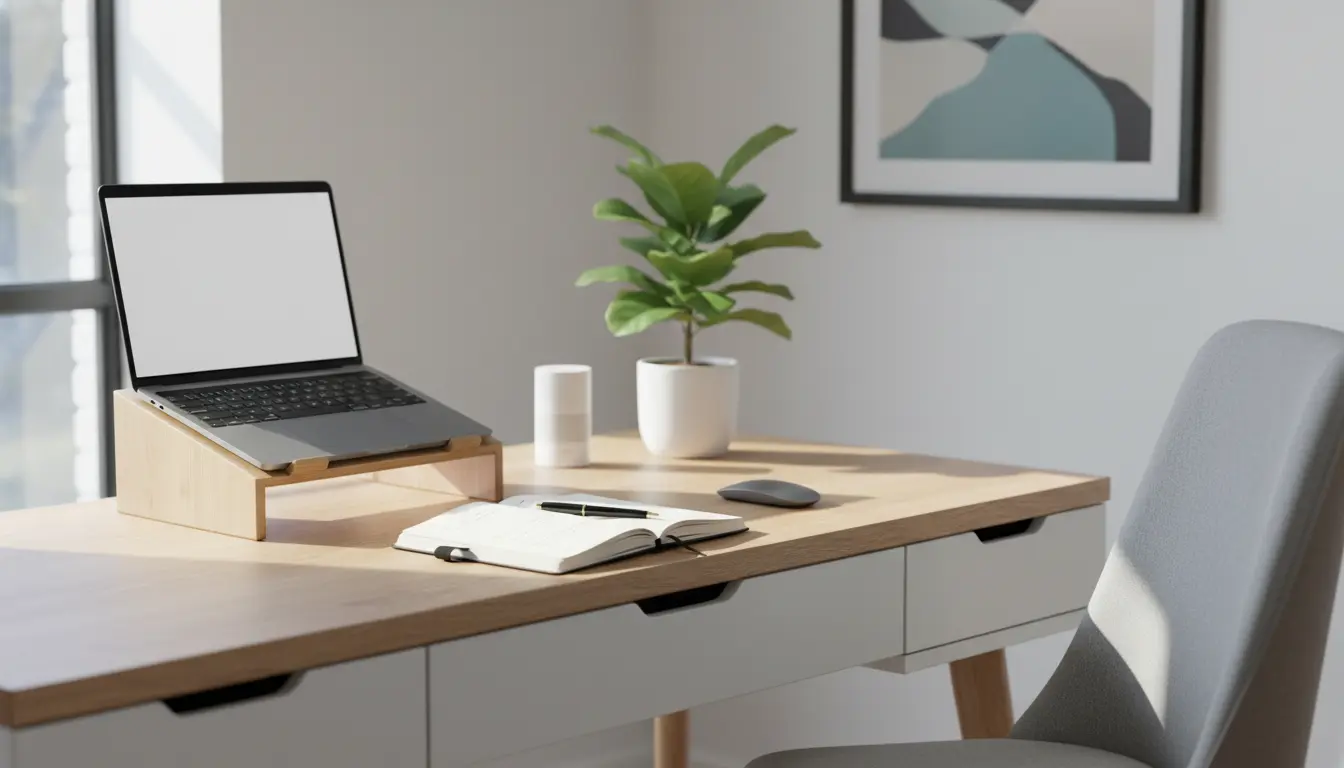
A dedicated workspace trains your brain to focus. It does not need to be a separate room, only a consistent spot.
- Keep the space tidy and only for work tools.
- Use a comfortable chair and proper screen height to reduce fatigue.
- Add a plant or natural light to improve mood and concentration.
Manage Time and Tasks for Consistent Output
Time management is the backbone of remote productivity. Use techniques that match your energy patterns and task types.
Block Your Time
Time blocking groups similar tasks and reduces context switching. Assign blocks for deep work, meetings, and admin tasks.
- Deep work blocks: 60–90 minutes for focused tasks.
- Shallow work blocks: 20–45 minutes for emails and quick replies.
- Buffer blocks: 10–15 minutes between meetings to reset.
Prioritize Daily Tasks
Choose 2–3 top priorities each day. Completing these ensures steady progress on important goals.
- Make a short morning plan with the 3 most important tasks.
- Use a simple tool: paper, digital to-do, or a task app with priorities.
Reduce Distractions to Improve Work From Home Productivity
Distractions are the biggest drain on remote work output. Create barriers that make it harder to switch to non-work activities.
Practical Ways to Limit Interruptions
- Phone: switch to Do Not Disturb or use app timers during deep work.
- Household: set expectations with family or roommates about quiet hours.
- Browser: use a focused browser profile or website blockers for social media.
Use Meeting Rules to Save Time
Meetings can fragment your day. Keep them short and with clear goals to maintain productivity.
- Only invite essential people.
- Set an agenda and desired outcome for every meeting.
- Use 25–45 minute meetings instead of default 60 minutes.
Small Tools and Habits That Increase Efficiency
Adopt a few small tools and habits that compound over time. You do not need a complex stack to be productive.
- Use a single calendar for work and personal events.
- Automate repetitive tasks with templates or short scripts.
- Batch similar tasks like email, invoicing, or social updates.
Research shows focused work blocks of 60–90 minutes produce better output than long, unstructured hours. Short breaks after deep work help consolidate attention.
Real-World Example: Small Team Boosts Work From Home Productivity
A three-person content team shifted to time blocking and daily priorities. They limited meetings to three per week and introduced a 90-minute deep work policy.
In four weeks they reduced meeting time by 40% and increased published work by 30%. The main changes were consistent start times, a shared calendar, and a short daily planning ritual.
Quick Checklist to Start Today
- Pick a fixed start and end time for work.
- Create a dedicated workspace, even if small.
- Block at least one 60–90 minute deep work period daily.
- Limit meetings and set clear agendas.
- Choose 2–3 daily priorities and finish them first.
Common Challenges and Solutions for Work From Home Productivity
Expect setbacks. The goal is steady improvement, not perfection. Adjust solutions to fit your role and home situation.
- Feeling isolated: schedule brief social check-ins with colleagues.
- Too many interruptions: move deep work to early morning or late afternoon.
- Burnout: add non-negotiable breaks and keep a weekly day without work.
Final Tips to Keep Momentum
Measure small wins and refine systems. Consistency beats intensity—small daily improvements compound quickly.
Start with one change this week and build from there. That steady approach creates reliable work from home productivity over time.