
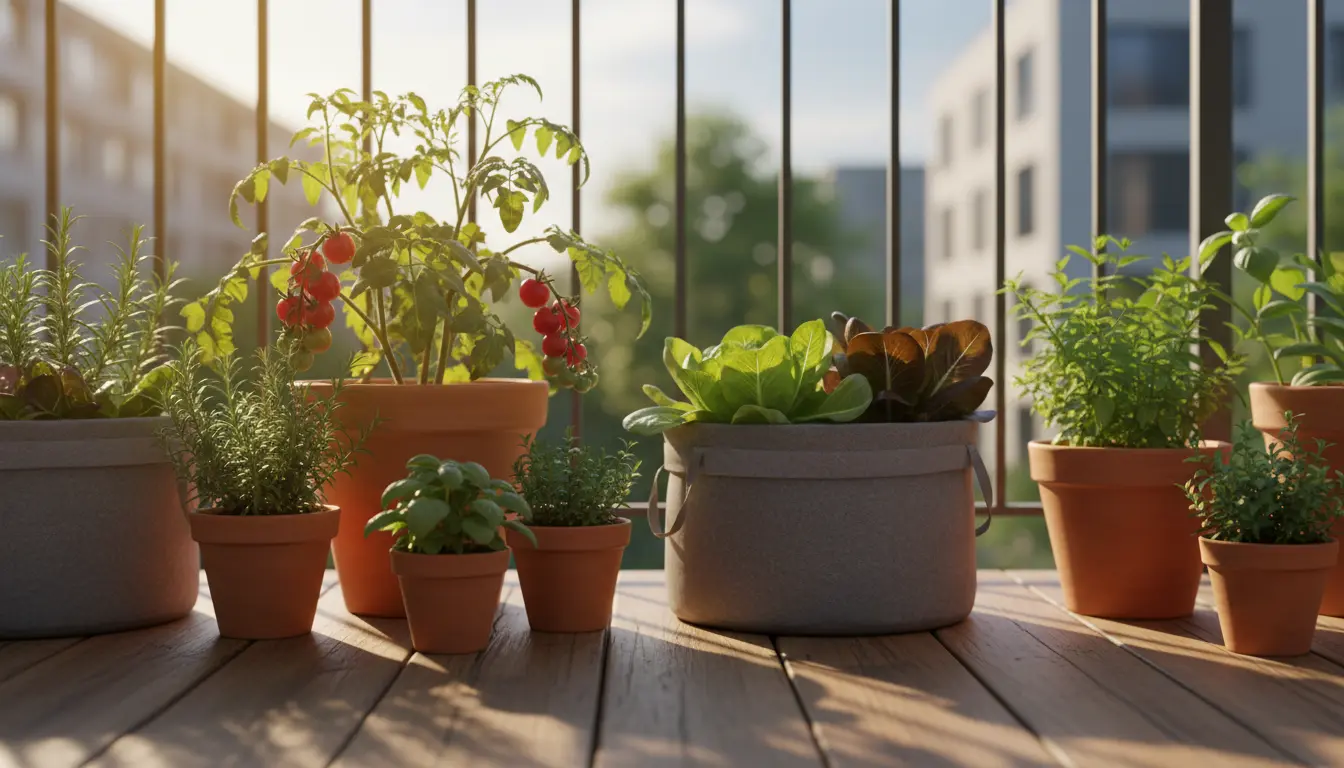
Starting a vegetable garden is a practical way to grow fresh food, save money, and learn basic horticulture. This guide explains how to start a vegetable garden with clear steps, short tips, and a small real-world example you can copy.
Why Start a Vegetable Garden
A vegetable garden provides fresh produce that tastes better than store-bought varieties. It can also reduce grocery bills and lower your carbon footprint by cutting transport and packaging.
Gardening improves well-being, teaches seasonal planning, and can fit any space—from a backyard to a balcony. The key is a simple, repeatable process you can scale over time.
How to Start a Vegetable Garden: A Step-by-Step Plan
Follow these steps to move from idea to harvest. Each step is short and actionable so you can complete it in a weekend or over a few evenings.
1. Choose Location and Evaluate Conditions
Select a spot with at least 5–6 hours of direct sunlight for most vegetables. If full sun is limited, choose leafy greens and herbs that tolerate partial shade.
Check access to water and observe wind patterns. Good drainage and afternoon shade from large structures can influence plant choices and container placement.
2. Decide Between Ground Beds and Containers
Raised beds and in-ground plots offer more soil volume and stability. Containers are ideal for patios or balconies and are easier for beginners to manage.
- Raised beds: Better for root crops, warmer soil, less weeding.
- Containers: Flexible placement, good for herbs, lettuce, dwarf tomatoes.
- Square-foot gardening: Efficient for small areas and varied crops.
3. Choose Soil and Amendments
Use a well-draining mix: equal parts compost, topsoil, and coarse sand or perlite for containers. For raised beds, blend garden soil with compost and aged manure.
Add slow-release organic fertilizer or a balanced NPK formula at planting. Mulch helps retain moisture and suppress weeds.
4. Select Easy Vegetables for Beginners
Start with crops that have a high success rate and quick returns. These give confidence and steady harvests.
- Leafy greens: lettuce, spinach, Swiss chard
- Herbs: basil, parsley, chives
- Quick veg: radishes, bush beans, cherry tomatoes
- Root crops: carrots, beets (use deep containers)
5. Plant at the Right Time
Follow seed packet dates or local planting calendars. Cool-season crops go in early spring or fall, while warm-season crops need frost-free conditions.
Stagger plantings for continuous harvest: sow a new row of lettuce every 2–3 weeks for a steady supply.
6. Watering and Feeding
Water deeply and less often to encourage strong root systems. Aim for the soil surface to dry slightly between waterings, rather than constant dampness.
Feed with liquid seaweed or compost tea every 2–4 weeks for steady growth. Adjust feed based on plant vigor and soil test results.
7. Pest and Disease Management
Regularly inspect plants for pests and symptoms. Remove affected leaves, introduce beneficial insects, or use low-toxicity options like insecticidal soap when needed.
Practice crop rotation and sanitation: clear plant debris in fall and avoid planting the same family in the same spot year after year.
Small Case Study: Balcony Container Garden
Emma, a renter with a small balcony, started a container vegetable garden using three 10-inch fabric pots and two 12-inch planters. She filled them with a potting mix plus 25% compost.
In her first season she grew cherry tomatoes, basil, and leaf lettuce. She watered every other day, fed once a month with fish emulsion, and harvested weekly. By mid-summer she had fresh salads and reduced her grocery visits for greens.
Troubleshooting Common Problems
If seedlings look leggy, they need more light or cooler temperatures. Move them into brighter, indirect light or reduce indoor heat.
Yellow lower leaves often indicate overwatering or nutrient imbalance. Check soil moisture, improve drainage, and add compost.
Slow growth in containers may mean the plants are root-bound. Repot into larger containers or prune roots and refresh the soil.
Quick Maintenance Checklist
- Daily: Check moisture and remove any obvious pests.
- Weekly: Inspect for disease, thin overcrowded seedlings.
- Monthly: Feed with balanced organic fertilizer or compost tea.
- Seasonal: Clean up plant debris and rotate crops each year.
Starting a vegetable garden is a sequence of small, repeated actions: choose a site, pick simple crops, maintain soil and water, and learn from each season. With minimal tools and a modest time investment, most beginners can harvest fresh produce within weeks.
Use this guide as a practical checklist and adapt it to your space, climate, and goals. The first garden may not be perfect, but each season brings better planning and bigger yields.