
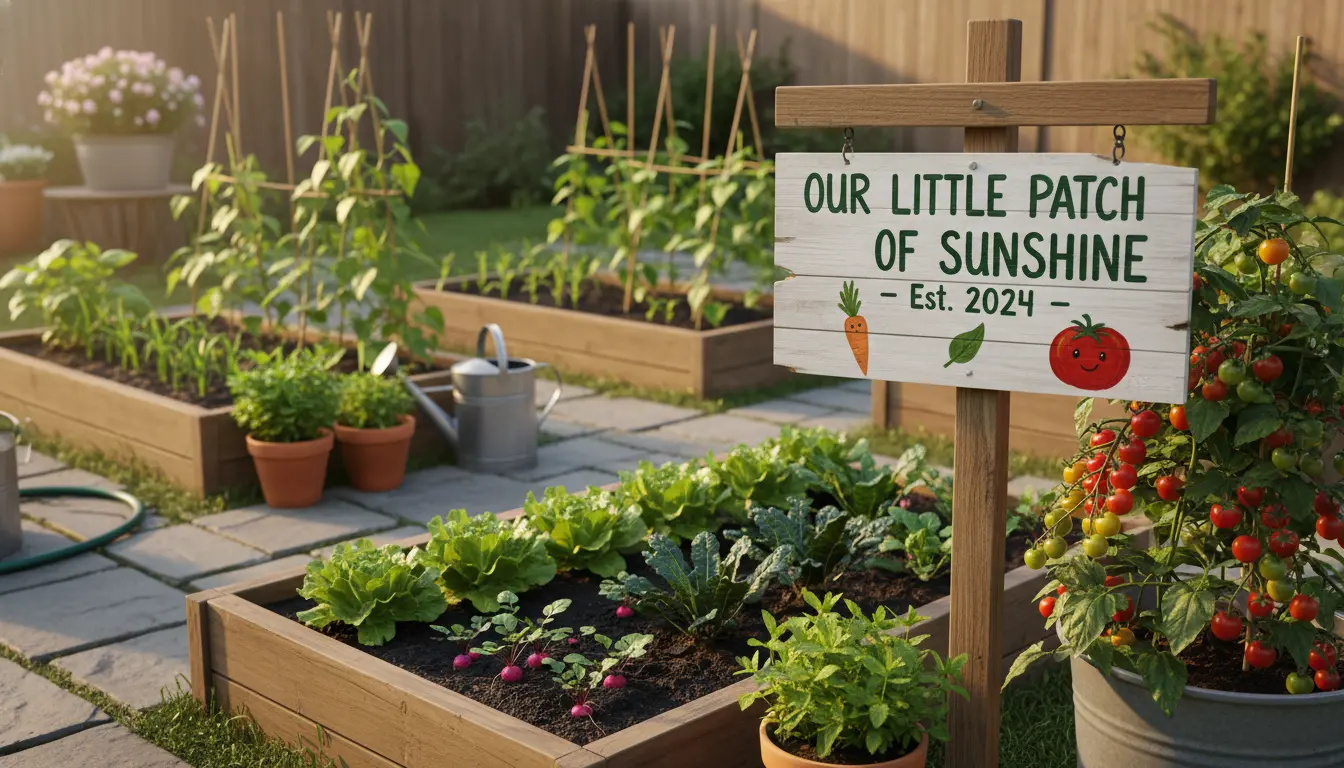
Starting a vegetable garden at home is practical and rewarding. This guide covers the essential steps to plan, plant, and maintain a productive plot or container setup.
Plan Your Vegetable Garden Location
Choose a spot that gets at least six hours of sunlight daily for most vegetables. Consider access to water and proximity to your kitchen for harvesting convenience.
Decide between in-ground beds, raised beds, or containers. Each option affects soil needs, drainage, and how you manage weeds and pests.
Sun, Water, and Space
Most vegetables need full sun and consistent moisture. If sunlight is limited, select leafy greens and herbs that tolerate part shade.
- Full sun: tomatoes, peppers, cucumbers
- Part shade: lettuce, spinach, cilantro
- Small spaces: use vertical trellises and containers
Prepare Soil to Start a Vegetable Garden
Soil quality is the foundation of a healthy vegetable garden. Test your soil pH and texture before planting to know what improvements are needed.
Improve soil with organic matter such as compost and aged manure. This increases fertility, water retention, and soil structure.
Quick Soil Checklist
- Get a simple pH test kit or send a sample to a local extension office.
- Add 2–4 inches of compost and mix into the top 6–8 inches of soil.
- Use raised beds or containers if your native soil is very poor or compacted.
Choose Vegetables and Planting Times
Start with easy, high-reward crops like tomatoes, lettuce, radishes, and bush beans. Pick varieties suited to your climate and season length.
Schedule planting by frost dates and grow cycles. Many gardeners start seeds indoors for warm-season crops and direct sow cool-season crops outside.
Beginner-Friendly Plants
- Lettuce and other salad greens — quick harvests
- Radishes — mature in 3–4 weeks
- Bush beans — low maintenance and productive
- Cherry tomatoes — easier than large tomato varieties
Watering and Mulching Tips
Consistent watering matters more than daily frequency. Deep, infrequent watering encourages strong roots, while shallow, frequent watering weakens them.
Apply mulch around plants to conserve moisture, suppress weeds, and moderate soil temperature. Straw, shredded leaves, or wood chips work well for most beds.
Watering Rules of Thumb
- Water early in the morning to reduce evaporation and disease risk.
- Check soil moisture with your finger or a moisture meter; water when the top 1–2 inches are dry.
- Use drip irrigation or soaker hoses for efficient watering.
Pest and Disease Management
Monitor plants weekly for pests and signs of disease. Early detection makes control easier and prevents major losses.
Use integrated pest management (IPM): encourage beneficial insects, handpick pests, use row covers, and apply organic controls when necessary.
- Rotate crops each season to reduce soil-borne diseases.
- Remove diseased foliage promptly and compost cautiously.
- Introduce ladybugs or lacewings to help control aphids.
Maintenance and Harvesting
Keep beds weed-free and thin seedlings to the recommended spacing. Regular pruning and support for vining plants boosts yields.
Harvest frequently; picking ripe vegetables often encourages plants to produce more. Store produce properly to maintain quality.
Simple Maintenance Schedule
- Weekly: weed, check moisture, inspect for pests
- Biweekly: add compost tea or diluted organic fertilizer if needed
- Seasonal: rotate crops, refresh mulch, repair trellises
Companion planting can reduce pests and improve yields. For example, planting basil near tomatoes can improve flavor and deter some insects.
Case Study: Balcony Garden in Six Months
Maria had a small south-facing balcony and wanted to grow food. She used three 10-inch containers, a hanging herb pot, and a tomato cage.
In one season she grew cherry tomatoes, basil, lettuce, and bush beans. With weekly watering and a monthly compost top-up, she harvested fresh greens nearly every week.
Results: consistent salad greens for two people and about 10–12 pints of cherry tomatoes. The container approach proved space-efficient and low-cost.
Common Mistakes When You Start a Vegetable Garden
Avoid planting too many crops at once and neglecting soil health. Overwatering and poor spacing are frequent causes of failure.
Start small, learn each crop’s needs, and expand gradually as you gain experience. This reduces waste and improves success rates.
- Don’t crowd plants—follow spacing on seed packets or plant tags.
- Don’t assume all plants need the same fertilizer or watering schedule.
- Don’t ignore sunlight patterns—observe your site before planting.
Quick Start Checklist to Start a Vegetable Garden
- Pick a sunny spot and decide bed type (in-ground, raised, or containers).
- Test and amend soil with compost and adjust pH if needed.
- Select 3–6 easy crops suited to your season and space.
- Set up watering, mulch beds, and plan a simple pest control routine.
- Keep a garden notebook to track planting dates and harvests.
Starting a vegetable garden at home is a manageable project with clear steps. With planning and simple care, you can enjoy fresh produce and learn techniques that improve each season.