
Start Small and Plan First
Beginning a vegetable garden is easier when you plan. Choose a few easy crops and a manageable space to avoid feeling overwhelmed.
This guide shows practical steps you can use right away, from location choice to harvest and troubleshooting.
How to Start a Vegetable Garden: Choosing Location and Size
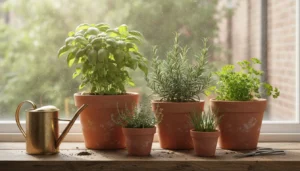
Sun is the most important factor. Most vegetables need at least six hours of direct sunlight daily.
Select a flat area with good drainage and easy access to water.
- Space options: containers, raised beds, or in-ground rows.
- Start with a 4×4 or 4×6 raised bed for a small family.
- Consider proximity to your kitchen for easy harvesting.
How to Start a Vegetable Garden: Soil and Compost
Healthy soil is the foundation of productive plants. Test soil pH if possible and aim for a loamy texture.

Amend soil with compost and organic matter to improve structure and nutrients.
- Mix 2–4 inches of compost into the top 6–8 inches of soil.
- Use well-rotted manure or a balanced organic fertilizer if needed.
- Mulch with straw or leaves to retain moisture and suppress weeds.
Plant Selection and Timing
Choose vegetables suited to your climate and season. For beginners, start with reliable crops.
Good starter vegetables include tomatoes, lettuce, radishes, beans, and zucchini.
- Check your local frost dates before planting tender crops.
- Use transplants for tomatoes and peppers; direct-sow beans and carrots.
- Stagger plantings of lettuce and radish for continuous harvests.
How to Start a Vegetable Garden: Layout and Spacing

Plan rows or spacing before planting to avoid overcrowding. Proper spacing reduces disease and improves yields.
Follow seed packet or plant tag spacing recommendations and thin seedlings as needed.
- Companion planting tip: pair basil with tomatoes to deter pests.
- Trellis vining crops like beans and cucumbers to save space.
- Use square-foot gardening for small plots to maximize yield.
Watering, Feeding, and Routine Care
Consistent watering is essential, especially during germination and fruit set. Aim for deep, infrequent watering.
Feed plants with a balanced fertilizer or compost tea during the growing season.
- Water at the base of plants early in the morning to reduce disease risk.
- Monitor soil moisture with a finger test—water when the top 1–2 inches are dry.
- Prune only when needed: remove dead leaves or suckers on tomatoes to improve air flow.
Common Problems and Simple Fixes
Pests and diseases are common but manageable with routine checks and simple interventions.
Start by identifying the issue and applying targeted control measures first.
- Use row covers early to protect young plants from insects.
- Handpick slugs or use traps for slug-prone areas.
- Rotate crops yearly to reduce soil-borne diseases.
Harvesting and Storage
Harvest vegetables at peak ripeness for the best flavor and nutrition. Regular harvesting often encourages more production.
Store produce properly to extend shelf life—leafy greens in cool, humid conditions and root vegetables in cool, dry storage.
- Tomatoes: pick when fully colored and slightly firm.
- Lettuce: harvest outer leaves or cut the whole head in the morning for best crispness.
- Beans: harvest when pods are firm but before seeds bulge.
Real-World Case Study: Small Raised Bed Success
Sarah, a beginner gardener, started a 4×4 raised bed in her sunny backyard. She planted tomatoes, lettuce, and bush beans in her first season.
She amended the soil with compost, mulched to retain moisture, and watered deeply twice a week. By midsummer she was harvesting salad greens weekly and a steady supply of beans.
Her simple routine—weekly checks, early pest removal, and occasional feeding—kept plants healthy and produced a reliable harvest for her family.
Quick Checklist: How to Start a Vegetable Garden
- Pick a sunny location and decide on containers, raised beds, or in-ground plots.
- Test and amend soil with compost and organic matter.
- Choose 3–5 easy crops and stagger plantings for continuous harvests.
- Water deeply and mulch to conserve moisture.
- Monitor for pests and rotate crops yearly.
Final Tips for Beginners
Keep records of what you plant and when you plant it. Small notes help refine timing and crop choices next season.
Start simple, enjoy the learning process, and scale up as you gain confidence. Gardening rewards patience and observation.