
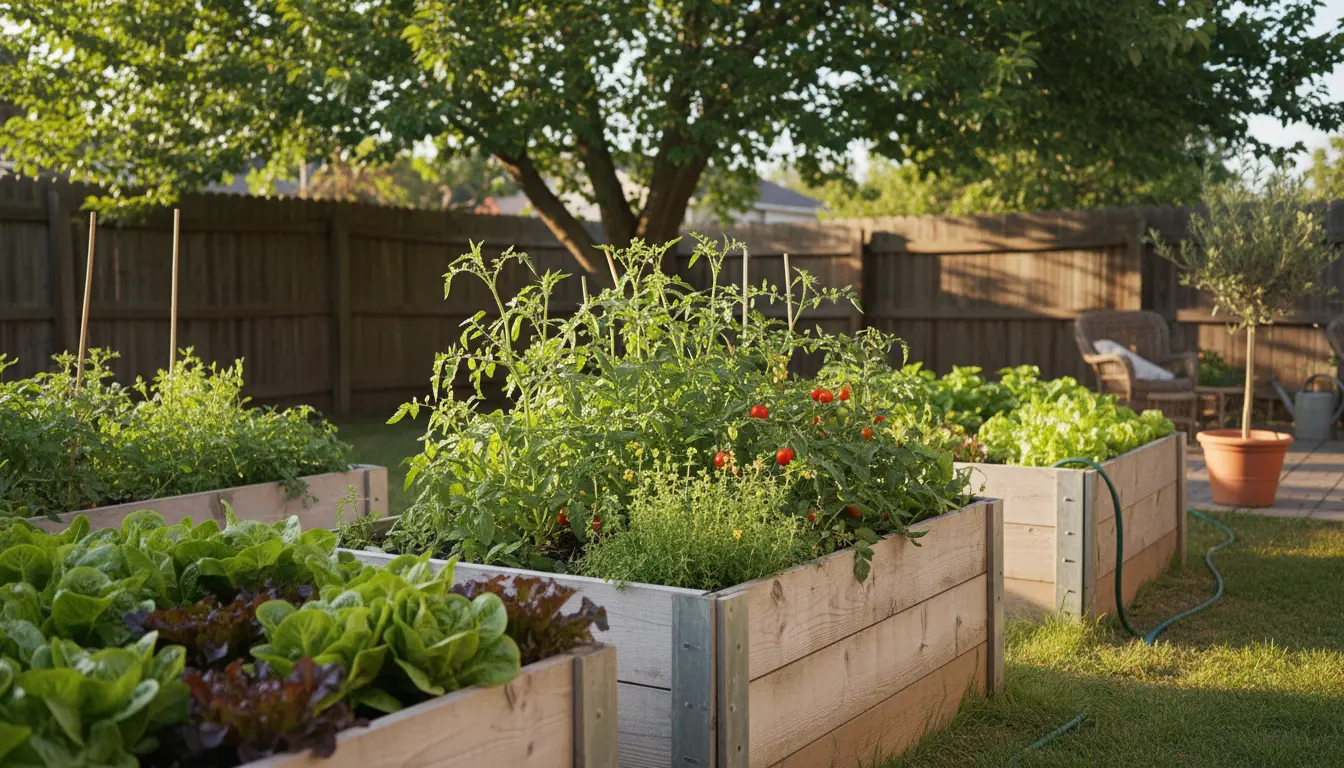
Starting a small vegetable garden is a practical way to grow fresh food, save money, and enjoy an outdoor hobby. This guide covers site choice, soil, plant selection, maintenance, and a short case study you can use as a model.
Why Start a Small Vegetable Garden
A small vegetable garden fits into balconies, patios, and tiny backyards. It reduces grocery trips and gives control over how your food is grown.
Benefits include fresher produce, lower carbon footprint, and a manageable learning curve for beginners.
Choosing a Spot for Your Small Vegetable Garden
Pick a site with at least 4–6 hours of direct sunlight daily; many vegetables need full sun. South- or west-facing spots often work best in temperate climates.
Consider convenience: place the garden near a water source and where you frequently pass. Ease of access increases the chance you’ll maintain it regularly.
Small Vegetable Garden: Space Options
Assess your available space and choose one of these options:
- Ground bed: Traditional in small yards. Use raised rows if soil is compacted.
- Raised beds: Better drainage, easier soil control, and less bending.
- Containers: Ideal for balconies or patios; use large pots for tomatoes and peppers.
- Vertical planters: Save horizontal space with trellises or hanging pockets.
Soil, Containers, and Raised Beds for a Small Vegetable Garden
Good soil is the foundation of a healthy garden. If using ground soil, amend it with compost to improve structure and nutrients.
For containers and raised beds, use a loose, well-draining mix. A common recipe is equal parts compost, topsoil, and coconut coir or peat substitute.
Essential Supplies
- Quality potting mix or amended garden soil
- Compost or well-rotted manure
- Containers or lumber for raised beds
- Hand tools: trowel, pruners, watering can or hose
- Mulch to conserve moisture and suppress weeds
What to Plant in a Small Vegetable Garden
Choose crops that give high yields in small spaces and match your climate and season. Focus on vegetables you and your household will eat.
Easy Vegetables for a Small Vegetable Garden
- Lettuce and salad greens — quick harvests and continuous sowing
- Radishes — fast-growing and space-efficient
- Cherry tomatoes — prolific in containers or small beds
- Herbs (basil, mint, parsley) — compact and useful
- Peppers — do well in pots and produce for months
- Bush beans — need little space and improve soil nitrogen
Planting and Maintenance for Your Small Vegetable Garden
Planting on schedule matters. Start seeds indoors for longer-season crops or sow directly for rapid growers like radishes and beans.
Use succession planting to maximize yield: after harvesting lettuce, sow a new crop in the same spot.
Watering, Fertilizing, and Pest Control
Water deeply and less often to encourage root growth. Most small vegetable gardens need about 1 inch of water per week, adjusted for heat and soil type.
Fertilize with a balanced organic feed or side-dress with compost every 4–6 weeks for steady growth. Avoid over-fertilizing leafy crops if you prefer flavor over size.
Manage pests with these practical steps:
- Inspect plants weekly and handpick large pests like caterpillars.
- Use row covers early in the season to prevent insect damage.
- Encourage beneficial insects with flowering companion plants.
- Rotate crops year to year to reduce disease pressure.
Seasonal Calendar for a Small Vegetable Garden
Plan by season to get predictable harvests. Example schedule for temperate climates:
- Early spring: Start seeds indoors (tomatoes, peppers).
- Late spring: Transplant warm-season crops after frost risk passes.
- Summer: Harvest continuously; sow fast crops in gaps.
- Early fall: Plant cool-season greens and prepare beds for winter.
Small Vegetable Garden Case Study
Maria has a 6-foot balcony and started a small vegetable garden using four 12-inch containers. She planted cherry tomatoes, basil, lettuce, and a pepper plant.
Her routine: water every other day in hot weather, pinch tomato suckers twice a month, and harvest lettuce leaves weekly. By mid-summer she consistently collected salads and multiple pints of cherry tomatoes weekly.
Key takeaways from Maria’s case: choose compact varieties, monitor water, and stagger planting to keep harvests steady.
Practical Checklist to Start Your Small Vegetable Garden
- Pick a sunny, convenient spot.
- Decide on ground bed, raised bed, or containers.
- Prepare or buy good soil mix and compost.
- Select 4–6 easy crops suited to your space.
- Set a watering and maintenance schedule you can follow.
- Keep a simple record of planting dates and harvests.
Starting a small vegetable garden is straightforward with the right choices and a little routine. Focus on a few reliable crops, maintain soil health, and adapt practices as you learn what works best in your microclimate.