
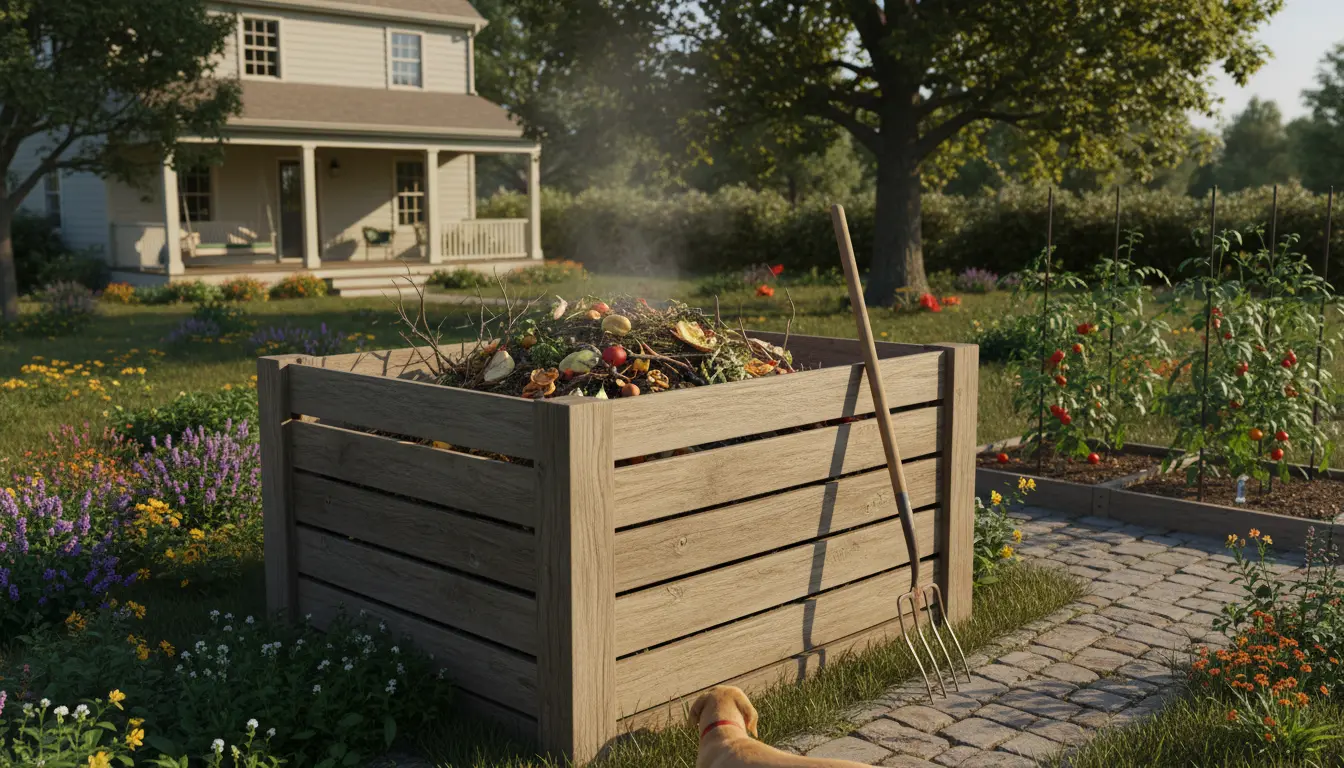
Getting Started with Home Composting
Home composting turns kitchen and yard waste into nutrient-rich soil. This guide gives practical, step-by-step instructions you can use whether you have a backyard, balcony, or small kitchen space.
Why home composting matters
Composting reduces landfill waste and improves soil quality for gardens and potted plants. It also lowers your carbon footprint by recycling organic material locally.
Step-by-Step Composting for Beginners
Follow these core steps to start a successful compost pile or bin. Each step is short and actionable.
1. Pick a compost method
Choose a system that fits your space and schedule. Common methods include backyard piles, tumblers, and worm bins (vermicomposting).
- Backyard pile: Best for yards with space and regular yard waste.
- Compost tumbler: Good for faster breakdown and less turning effort.
- Worm bin: Ideal for apartments and small kitchens; uses red worms to compost.
2. Gather materials — brown and green
Compost needs a balance of carbon (browns) and nitrogen (greens). Aim for roughly a 3:1 ratio by volume of browns to greens.
- Greens (nitrogen): vegetable scraps, fruit peels, coffee grounds, fresh grass clippings.
- Browns (carbon): dry leaves, straw, shredded paper, cardboard.
3. Build your pile or fill the bin
Start with a layer of coarse browns to help aeration. Alternate thin layers of greens and browns. Keep the pile moist but not soggy — similar to a wrung-out sponge.
4. Maintain and monitor
Turn or aerate the pile every 1–2 weeks to speed decomposition. Monitor temperature: a hot pile (40–65°C or 105–150°F) breaks down faster, but cool piles still work over longer periods.
- Too wet: add more browns and turn to dry out the pile.
- Too dry: add water and some greens to rehydrate.
- Smelly: fix by adding browns and increasing aeration.
Practical Tips for Composting for Beginners
Small habits make composting easier and more reliable. Use these tips to avoid common problems.
- Chop or shred materials to speed decomposition.
- Keep a covered small kitchen bin for scraps to reduce odors and flies.
- Rotate layers: don’t add thick layers of the same material for long periods.
- Use a thermometer to check active heat in large piles.
Compost can reduce household waste by up to 30 percent and can improve garden soil structure, water retention, and plant growth when mixed into topsoil.
Common Troubleshooting
Beginners often run into a few predictable issues. Here are quick fixes that work for most systems.
- Fruit flies: cover fresh scraps with a layer of browns or use a sealed kitchen container until transfer.
- Slow breakdown: increase surface area by chopping and turn the pile more often.
- Rodents: avoid meat, dairy, and oily foods; use enclosed bins or secure lids.
What not to compost
Avoid meat, dairy, bones, diseased plants, and pet waste from carnivores. These attract pests or introduce pathogens.
Using Finished Compost
Compost is ready when it is dark, crumbly, and smells earthy. Use it to enrich potting mixes, topdress lawns, or mix into garden beds at a ratio of about 1 part compost to 4 parts soil.
Application examples
- Vegetable beds: mix 2–3 inches of compost into the top 6–8 inches of soil.
- Potted plants: replace 10–20 percent of potting soil with compost.
- Lawns: spread a thin layer (about one-quarter inch) of compost annually.
Small Real-World Case Study
Laura, an apartment dweller, started a 20-liter worm bin under her sink. She collected food scraps in a covered kitchen container and added them twice weekly.
After three months, her bin produced rich worm castings. She used the castings to feed balcony tomatoes and saw stronger growth and more fruit compared with the previous season.
Key actions that led to success: regular feeding, keeping the bin slightly moist, and balancing bedding (shredded cardboard) with food scraps.
Quick Start Checklist for Composting for Beginners
- Choose a bin or method that fits your space.
- Collect greens and browns separately.
- Build layers, keep moist, and turn periodically.
- Troubleshoot odors, pests, and moisture promptly.
- Harvest finished compost and apply to plants.
Home composting is a low-cost, high-impact way to recycle organic waste and improve soil. Start small, follow these steps, and adjust as you learn what works best for your space and climate.