
Why Starting a Vegetable Garden Is a Good Idea
Growing your own vegetables saves money and gives you fresh produce on hand. It also helps you control what goes into your food and reduces trips to the store.
This guide explains basic steps for starting a vegetable garden, from choosing a site to harvesting and troubleshooting common problems.
Choose the Right Location for Starting a Vegetable Garden
Your garden’s location affects plant health, yield, and maintenance time. Pick a spot with good light, access to water, and reasonable drainage.
- Light: Most vegetables need 6–8 hours of direct sun per day.
- Water: Choose a site near a faucet or rain barrel for easy watering.
- Drainage: Avoid low spots that hold water after rain.
Sun and Shade Considerations
Observe the site for a few days to see how shadows move. If full sun isn’t available, select vegetables that tolerate partial shade such as leafy greens and root crops.
Prepare Soil When Starting a Vegetable Garden
Healthy soil is the foundation of a productive garden. Test and amend soil rather than relying on guesswork.
- Test: Use a basic soil test kit to check pH and nutrients.
- Amend: Add compost to improve texture and fertility.
- Tilling: Lightly loosen soil but avoid over-tilling which can destroy structure.
Soil Mix Options
For raised beds use a mix of topsoil, compost, and a small amount of sand or perlite for drainage. For in-ground beds, dig in 2–4 inches of compost and mix well.
Plan What to Plant
Start with easy, high-yield vegetables to build confidence. Consider your climate, season, and kitchen preferences.
- Beginner-friendly vegetables: tomatoes, peppers, lettuce, radishes, green beans, zucchini.
- Succession planting: stagger planting dates for a continuous harvest.
- Companion planting: pair plants that benefit each other, like tomatoes with basil.
Size and Spacing
Follow seed packet or plant tag spacing recommendations to avoid overcrowding. Overcrowded plants have more disease and lower yields.
Tools and Supplies for Starting a Vegetable Garden
You don’t need fancy tools to start. Keep a few essentials on hand for efficient work.
- Hand trowel and spade for planting and digging.
- Garden fork for turning soil and aeration.
- Watering can or hose with a spray nozzle.
- Mulch, stakes, and basic fertilizer or compost.
Planting, Watering, and Mulching
Correct planting depth and consistent watering are essential during establishment. Mulch reduces weeds and conserves soil moisture.
- Planting: Put seeds or transplants at the recommended depth.
- Watering: Water deeply and less often to encourage strong roots.
- Mulch: Use straw, wood chips, or leaf mulch to retain moisture and suppress weeds.
Watering Schedule Example
New transplants: daily watering for the first week, then every 2–3 days depending on weather. Established plants: deeply once or twice weekly.
Common Pests and Disease Management
Expect some pest pressure. Use integrated pest management (IPM) to reduce losses without heavy chemicals.
- Inspect plants regularly for early signs of problems.
- Use row covers to protect young plants from insects.
- Encourage beneficial insects with flowering plants.
- Remove and compost diseased leaves; rotate crops annually.
Harvesting and Ongoing Care
Harvest frequently to encourage more production. Know the harvest indicators for each crop to pick at peak flavor.
- Leafy greens: harvest outer leaves when large enough.
- Tomatoes: pick when fully colored and slightly soft.
- Root crops: pull when size matches expectations for the variety.
Adding a 2–3 inch layer of compost each season can increase vegetable yields by improving soil structure and nutrient availability.
Real-World Example: A Small Raised Bed Case Study
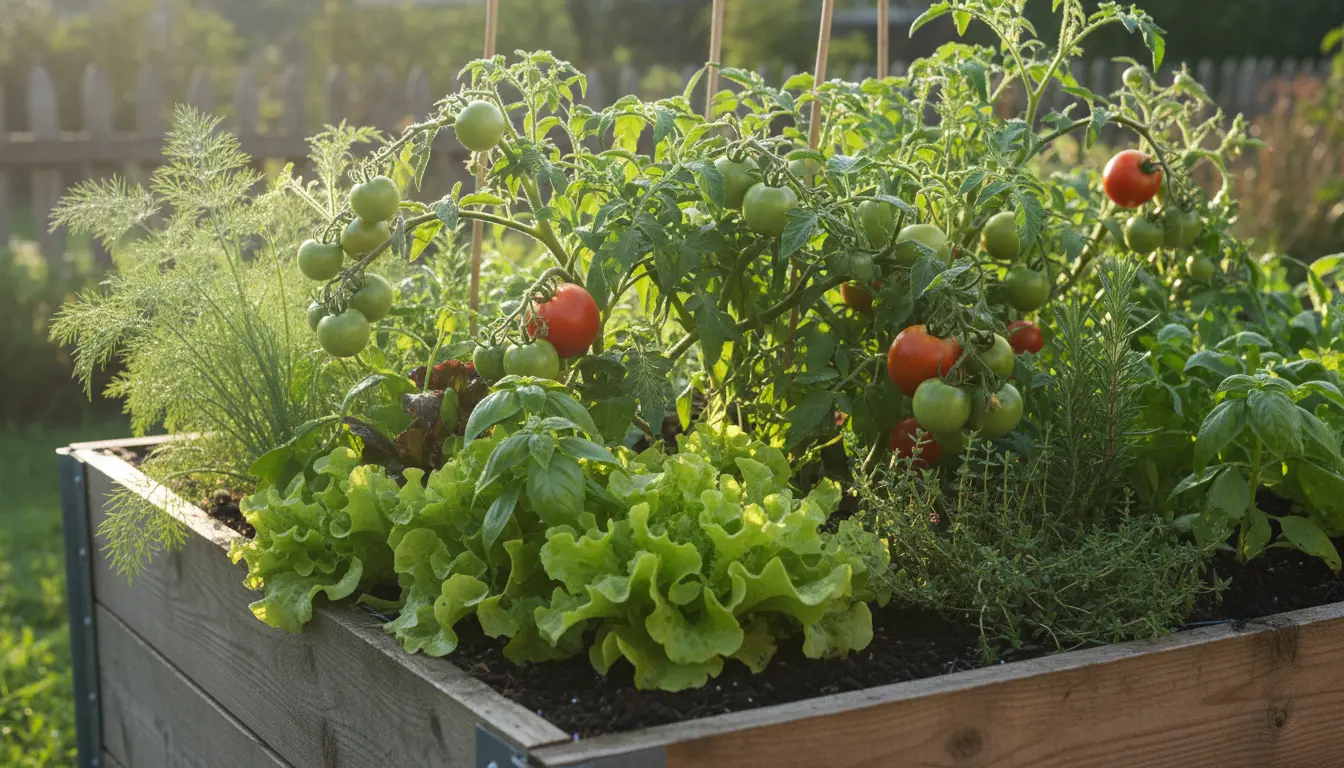
Case study: Sarah built a 4×8 foot raised bed in spring. She filled it with a mix of topsoil and compost, planted tomatoes, lettuce, and bush beans, and used drip irrigation.
Results: By mid-summer, Sarah harvested weekly salads and three tomato harvests. She reported less weeding and faster soil warming compared with in-ground beds.
Troubleshooting Tips for Starting a Vegetable Garden
If seedlings are leggy, move them to brighter light or space them further apart. If leaves yellow, test the soil for pH and nutrient deficiencies.
- Stunted growth: check for compacted soil or poor drainage.
- Slow germination: keep soil consistently moist and warm.
- Excessive pests: use physical traps or hand pick larger insects like beetles.
Next Steps After Starting a Vegetable Garden
Keep a simple log of planting dates, varieties, and harvest amounts. This helps you plan better for the next season and improve yields gradually.
Start small, learn from each season, and expand as you gain confidence. With regular care, your vegetable garden will become a reliable source of fresh food.