
How to Start a Podcast: Basic Overview
Starting a podcast is a practical way to share ideas, build an audience, or market a business. This guide walks you through the key steps from planning to promotion using plain, actionable instructions.
Choose Your Podcast Focus and Format
Select a clear topic and target audience before recording. A focused niche helps with content planning and finding listeners.
Decide a format: solo, co-hosted, interview, or panel. Also set an episode length and release schedule you can maintain consistently.
Plan Episodes and Topics
Create a content calendar for 8–12 episodes to start. This reduces decision fatigue and keeps your show consistent.
- Pick recurring segments to structure episodes.
- Outline each episode with main points and a short intro and outro.
- Prepare guest questions in advance for interviews.
How to Start a Podcast: Equipment and Setup
You do not need expensive gear to begin, but a few key items improve audio quality. Start with essentials and upgrade as your podcast grows.
Essential Equipment
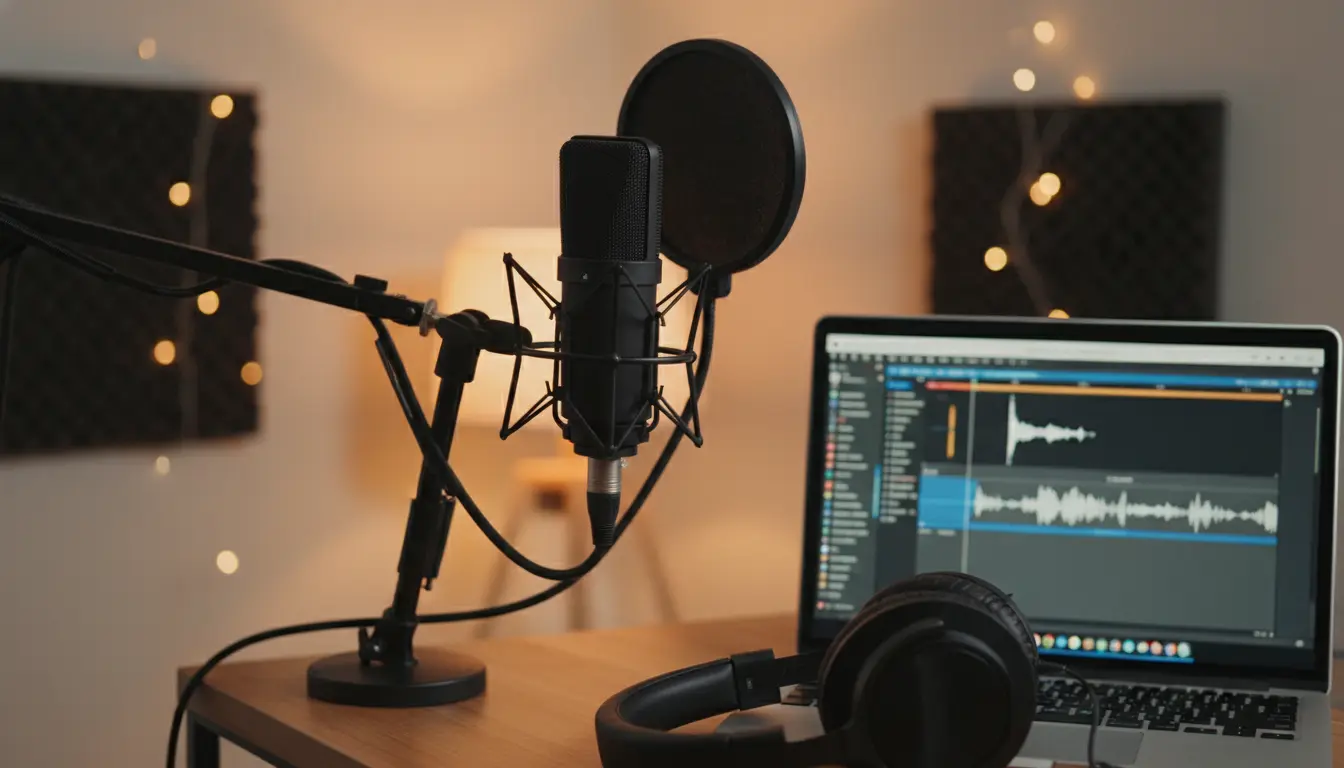
- USB microphone (entry-level) or XLR mic with an audio interface for higher quality.
- Closed-back headphones for monitoring audio and reducing bleed.
- Computer with recording software (DAW) like Audacity, GarageBand, or Reaper.
Optional items include a pop filter, mic stand, and basic acoustic treatment such as foam panels or blankets to reduce room echo.
Recording Space Tips
Choose a quiet room with soft furnishings to reduce reflections. Record at a consistent time to avoid background noise like traffic or other household sounds.
Do a short test recording and listen back to adjust mic placement and levels.
How to Start a Podcast: Recording and Editing
Good editing makes your podcast sound professional. Learn a few editing basics and use templates to speed up the process.
Recording Best Practices
- Record in WAV or high-bitrate MP3 to retain quality.
- Maintain steady distance from the mic (4–8 inches) and speak clearly.
- Use a clap or marker at the start and end to help sync multi-track recordings.
Editing Workflow
Trim silences and mistakes, normalize levels, and apply light compression and EQ. Keep edits natural—don’t over-process voices.
Create an intro and outro with music that you have rights to, and add chapter markers if your hosting supports them.
How to Start a Podcast: Publishing and Hosting
Choose a podcast hosting provider to store your audio files and generate an RSS feed. The RSS feed is what podcast directories use to list your show.
Selecting a Host and Directories
- Compare hosting features: storage limits, analytics, and distribution tools.
- Submit your RSS feed to Apple Podcasts, Spotify, Google Podcasts, and other directories.
- Write clear episode titles and descriptions with relevant keywords to improve discoverability.
Metadata and SEO for Podcasts
Use concise, keyword-rich titles and descriptions. Add show notes with timestamps and links to resources mentioned in each episode.
Include transcripts when possible—search engines can index that text, helping your podcast rank for related searches.
How to Start a Podcast: Promotion and Growth
Promotion is essential for growth. Use simple, repeatable strategies to reach listeners and build engagement.
Promotion Tactics
- Share episodes on social media with short audiograms or quote graphics.
- Ask guests to share episodes they appear on to tap into their audience.
- Encourage reviews and ratings on listener platforms to improve visibility.
Measure and Iterate
Track downloads, listener retention, and referral sources in your hosting analytics. Use that data to refine topics, episode length, and promotion channels.
Publishing consistent episodes in the same format can improve listener retention by making your show predictable and easy to follow.
Small Case Study: Local Business Podcast Success
Case: A local coffee shop launched a weekly podcast called “Neighborhood Brews” focused on coffee sourcing and community stories. They recorded 30-minute interviews and released episodes every Tuesday.
Actions they took included inviting local guests, promoting episodes in-store, and posting show notes on their website. After six months, they reported a 20% increase in new customers who mentioned the podcast.
Quick Checklist to Start Your Podcast
- Define topic, format, and schedule.
- Assemble basic equipment: mic, headphones, recording software.
- Record a 3–4 episode pilot and edit using a simple workflow.
- Choose a host, submit to directories, and add show notes.
- Promote consistently and review analytics to improve.
Starting a podcast is a manageable project with clear steps. Focus on consistent publishing, clear audio, and thoughtful promotion, and your audience will grow over time.