
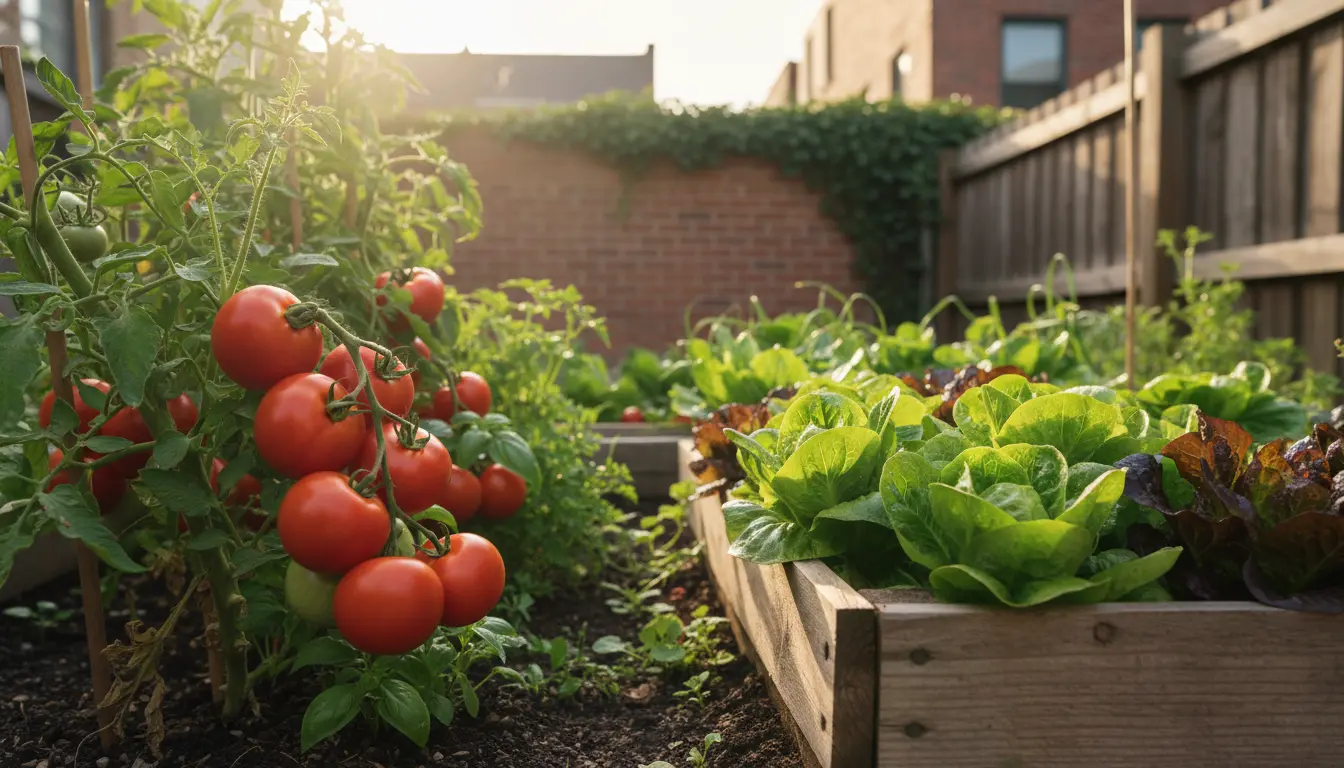
Why a small vegetable garden works
Starting a small vegetable garden is practical for beginners and busy homeowners. Small plots are easier to manage, use fewer resources, and still produce a meaningful harvest.
This guide shows simple, step-by-step actions to plan, plant, and maintain a productive vegetable garden in limited space.
Plan your vegetable garden
Begin by choosing the right spot and layout for your vegetable garden. Successful gardens start with good sunlight, water access, and convenient location.
Consider these planning steps:
- Sun: Pick a site with at least 6 hours of direct sunlight for most vegetables.
- Water: Ensure easy access to a hose or drip irrigation line to simplify watering.
- Space: Measure available area and decide between containers, raised beds, or in-ground rows.
- Microclimate: Note any wind, shade, or reflective heat sources that can affect plants.
Prepare soil and beds for a vegetable garden
Soil quality determines much of your garden’s success. For small gardens, raised beds and containers offer control over soil mix and drainage.
Follow these soil preparation steps:
- Clear the area of grass and weeds or choose a container when clearing is difficult.
- Improve soil with compost and well-rotted manure to boost organic matter.
- Use a balanced soil mix for containers: 40% topsoil, 40% compost, 20% organic matter like coconut coir or peat.
- Test soil pH and aim for 6.0–7.0 for most vegetables; amend with lime or sulfur if needed.
Choose vegetables for a small garden
Select crops that match your climate, season, and space. Focus on high-yield, compact varieties for small gardens.
Good choices for limited space:
- Leafy greens: lettuce, spinach, and Swiss chard (quick harvest cycles).
- Small fruiting plants: cherry tomatoes, bush beans, peppers, and dwarf cucumbers.
- Root crops: carrots, radishes, and beets in deep containers or beds.
- Herbs: basil, parsley, cilantro—useful and space-efficient.
Succession planting and companion planting
Maximize output by staggered sowing and pairing compatible plants. For example, follow a fast lettuce crop with late-season root vegetables.
Companion pairs to try:
- Tomatoes with basil (helps flavor and may reduce pests).
- Beans with corn or squash in a small polyculture arrangement.
Planting and care for your vegetable garden
Plant at the correct depth and spacing shown on seed packets or plant tags. Overcrowding reduces air flow and increases disease risk.
Basic care schedule:
- Water consistently: most vegetables prefer 1–1.5 inches per week, applied at the base.
- Mulch: apply 2–3 inches of organic mulch to conserve moisture and suppress weeds.
- Fertilize: use a balanced organic fertilizer at planting and a side dressing during rapid growth.
- Prune and stake: support indeterminate tomatoes and remove diseased foliage promptly.
Pest control and maintenance in a vegetable garden
Integrated pest management (IPM) reduces reliance on chemicals and protects beneficial insects. Monitor plants weekly and act early.
IPM basics:
- Hand-pick large pests like slugs or caterpillars.
- Use floating row covers to protect seedlings from insects.
- Encourage predators: ladybugs and lacewings reduce aphid populations.
- Rotate crops annually to prevent soil-borne diseases.
Raised beds warm up faster in spring and can extend the growing season by several weeks. They also improve drainage and root development for many vegetables.
Seasonal tips for a vegetable garden
Plan for seasons: start cool-season crops early and switch to heat-loving crops as temperatures rise. Use succession planting to keep beds productive year-round.
Examples of timing:
- Early spring: sow peas, radishes, and spinach.
- Late spring: transplant tomatoes, peppers, and eggplants after last frost.
- Fall: sow kale, late lettuce, and garlic for harvest the next year.
Small vegetable garden case study
Case study: A 10-foot by 4-foot raised bed produced consistent summer vegetables for a family of two. The gardener planted determinate tomatoes, basil, three rows of bush beans, and alternating lettuce.
Key actions that worked:
- Used compost-rich soil and applied mulch to retain moisture.
- Staggered planting: sowed lettuce every three weeks for continuous harvest.
- Installed a simple drip irrigation system to water efficiently.
Result: The bed yielded enough salad greens for weekly meals and 20–30 pounds of tomatoes over the season, demonstrating how small space can be productive with planning.
Quick checklist to start a small vegetable garden
- Choose a sunny site with water access.
- Decide on raised beds, containers, or in-ground planting.
- Improve soil with compost and test pH.
- Select compact, high-yield varieties for small spaces.
- Set up watering, mulch, and basic pest defenses.
- Keep a planting calendar and practice succession planting.
Starting a small vegetable garden is a manageable, rewarding project. With simple planning, correct soil preparation, and routine care, even limited spaces can supply fresh produce through the growing season.