
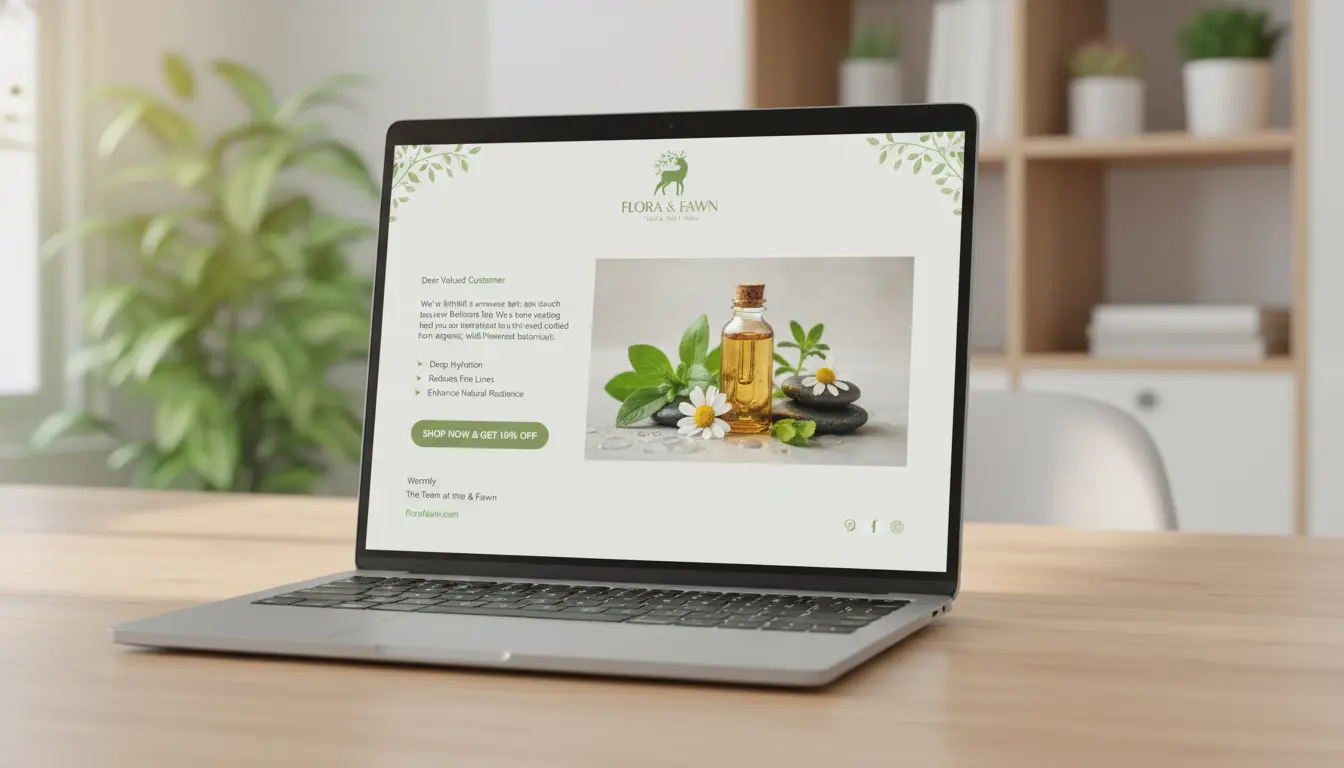
Why build an email list for your business
An email list gives you a direct channel to customers without relying on social media algorithms. Email lets you share offers, announcements, and content with people who have already shown interest.
Building an email list improves repeat sales and customer lifetime value. It also provides measurable results you can optimize over time.
How to build an email list: key principles
Focus on value and relevance when asking for email addresses. People sign up when they see a clear benefit and trust your brand.
Keep forms simple and ask only for essential information. A shorter form reduces friction and increases conversions.
Principle 1 use clear value propositions
Offer something useful in exchange for an email address. Examples include discounts, guides, templates, or exclusive tips.
State the value on your sign up form and landing pages in one short sentence.
Principle 2 minimize form fields
Ask only for the email and optionally the first name. Additional fields can be requested later once trust exists.
Use progressive profiling in follow up emails for more details as needed.
Principle 3 use multiple signup touchpoints
Place signup options across your website and offline channels. Common spots include the homepage, blog posts, footer, and checkout pages.
Test which placements drive the most signups and remove low performers.
Step by step tactics to build an email list
Follow these practical steps to start collecting emails quickly. Each step is action oriented and easy to implement.
Step 1 choose an email service provider
Select a tool that supports signup forms, automation, and analytics. Popular options include Mailchimp, ConvertKit, and Sendinblue.
Ensure the provider integrates with your website platform or ecommerce system for smooth data flow.
Step 2 create a lead magnet
Design a simple resource that solves a common problem for your audience. Examples: a discount code, a how to guide, or a checklist.
Keep the lead magnet short and actionable so subscribers see immediate value.
Step 3 add signup forms and popups
Use one main signup form on your homepage and contextual forms on relevant pages. For example, offer a recipe guide on food blog posts.
Limit popups to one per session and trigger them based on behavior like scroll depth or exit intent.
Step 4 use social and offline channels
Promote your lead magnet on social media with a short link to the signup page. Use QR codes on receipts and flyers to capture emails in person.
Collect emails at events and add them to a segment labeled by source for better targeting.
Step 5 welcome and nurture new subscribers
Send an automated welcome email immediately after signup that delivers the promised lead magnet. Include clear next steps and helpful content.
Create a short nurture series of 3 to 5 emails that educates, builds trust, and leads to a low friction offer.
Practical examples and templates
Use these quick templates to implement tactics right away. Keep language conversational and focused on benefit.
- Popup headline: Get 10 percent off your first order today
- Welcome email subject: Welcome to our community plus your discount
- Lead magnet idea: 7 day meal plan or quick service checklist
Emails generate one of the highest returns on investment for marketers. A well targeted email campaign can turn casual visitors into repeat customers with minimal ongoing cost.
Case study small bakery that built an email list
Bread & Co is a local bakery that added email signup at checkout and on receipts. They offered a free cookie for signing up and sent a welcome email with a discount coupon.
Within three months they gained 1 200 subscribers. Their weekly email drove 8 percent more walk in sales on slow days and helped clear unsold items with time limited offers.
Metrics to track for list growth
Monitor these metrics to understand performance and improve results. Regular review helps you scale what works.
- Signup rate by page or source
- Open rate for welcome and nurture emails
- Click through rate and conversion from email offers
- Subscriber churn and unsubscribe reasons
Common pitfalls and how to avoid them
Avoid buying email lists, which harms deliverability and reputation. Focus on building an engaged list instead.
Do not over email new subscribers. Start with a predictable schedule and allow subscribers to choose frequency when possible.
Next steps to start today
Pick one lead magnet and add a simple form to your homepage. Promote the offer on one social channel and track signups for the first two weeks.
Adjust messaging and placement based on results and expand to other pages once you see a steady signup rate.
Following these steps will help you build an email list that grows your revenue and strengthens customer relationships. Start small, measure, and iterate.