
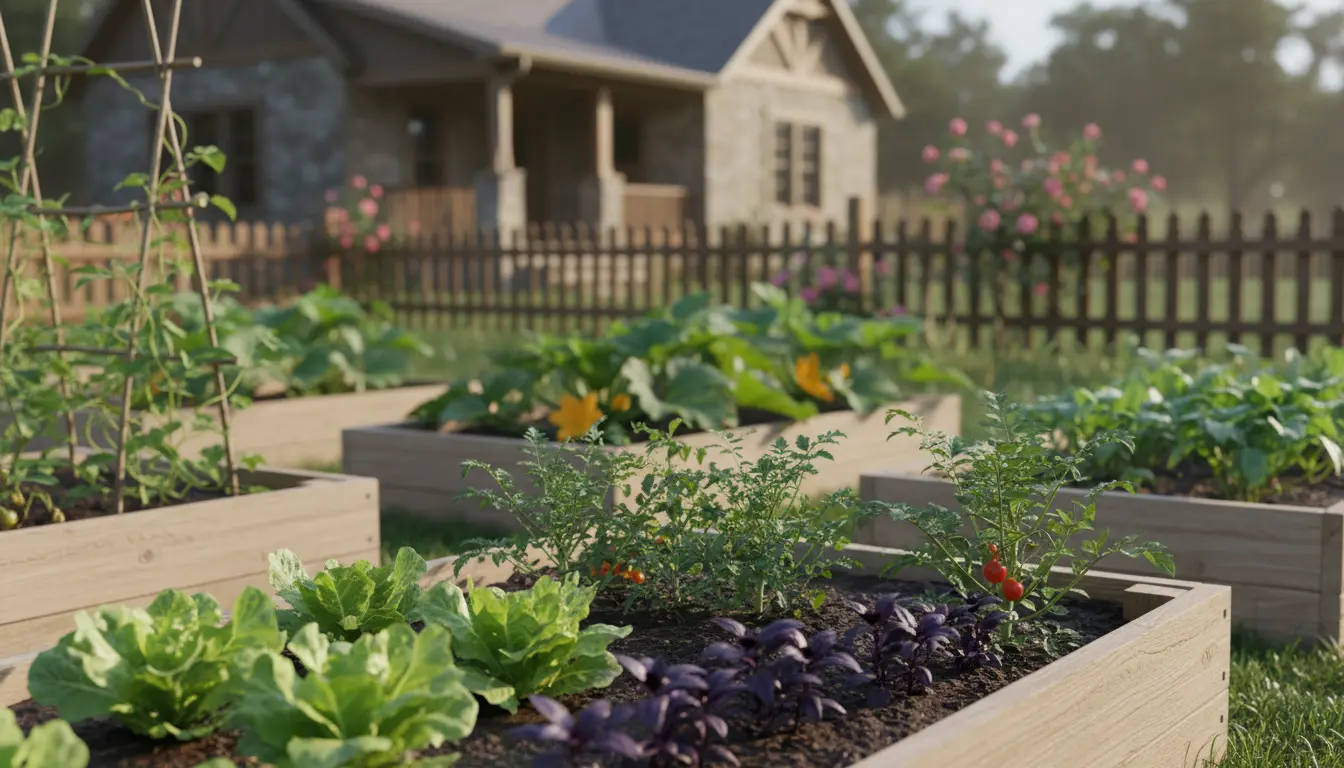
Why Start a Small Vegetable Garden
Starting a small vegetable garden is a practical way to grow fresh produce, save money, and connect with nature. A compact garden fits patios, balconies, or a small backyard and can produce surprising yields.
This guide shows step-by-step actions to start a small vegetable garden with simple techniques and minimal tools.
Choosing a Location for Your Small Vegetable Garden
Sunlight is the most important factor. Most vegetables need 6–8 hours of direct sun each day. Observe your space for a few days to track sun patterns.
Consider access to water, wind protection, and proximity to your kitchen for easy harvesting. Containers, raised beds, and in-ground plots all work for a small vegetable garden.
Location Checklist
- At least 6 hours of direct sun
- Nearby water source or hose
- Good drainage and level ground
- Protection from strong winds and pests
Preparing Soil and Beds for a Small Vegetable Garden
Good soil equals better harvests. If you use raised beds or containers, fill them with a mix of topsoil, compost, and a light soil conditioner for structure.
For in-ground gardens, loosen the top 12 inches of soil and mix in plenty of compost. Aim for loose, crumbly soil that holds moisture but drains well.
Soil Test and Amendments
Do a simple soil test to check pH and nutrient levels. Most vegetables prefer a pH between 6.0 and 7.0. Add lime to raise pH or sulfur to lower it if needed.
Common amendments include compost, aged manure, and balanced organic fertilizer. Mix amendments into soil before planting to avoid root burn.
What to Plant in a Small Vegetable Garden
Choose crops that fit your space and taste. Focus on high-value, space-efficient plants that give quick returns for small plots.
Easy Crops for Beginners
- Leafy greens: lettuce, spinach, arugula (fast, harvest multiple times)
- Herbs: basil, parsley, chives (compact and useful)
- Root vegetables: radishes, carrots (good for containers)
- Compact fruiting crops: cherry tomatoes, bush beans, peppers
Layout and Spacing Tips for a Small Vegetable Garden
Use square-foot gardening or intensive spacing to maximize productivity. Plant fast-growing crops between slower ones to use space efficiently.
Trellises and vertical supports help with vining crops like peas and cherry tomatoes, freeing up ground space for other plants.
Care and Maintenance for a Small Vegetable Garden
Consistent care yields the best results. Water deeply and less frequently to encourage strong roots. Most small gardens need 1–1.5 inches of water per week depending on weather.
Mulch beds to conserve moisture, suppress weeds, and keep soil temperatures steady. Remove weeds early and check daily for pests and diseases.
Seasonal Tasks
- Spring: prepare soil, start seeds or plant seedlings
- Summer: water, harvest frequently, pinch or prune as needed
- Fall: clear spent plants, save seeds, add compost
Simple Plan to Start a Small Vegetable Garden
Follow a short checklist to move from idea to harvest in one weekend.
- Pick location and measure the space (1–4 beds or several containers)
- Decide on bed type: raised, containers, or in-ground
- Get soil and compost or a quality container mix
- Choose 5–8 crops you’ll eat often and that grow well in your climate
- Plant starter seedlings or seeds according to spacing guidelines
- Water deeply, add mulch, and set a weekly maintenance time
Common Problems and Quick Fixes
Pests, nutrient deficiencies, and water issues are the main concerns. Identify early and treat with targeted steps.
- Aphids: spray with strong water stream or insecticidal soap
- Yellow leaves: check soil moisture and add compost or nitrogen fertilizer
- Wilting: ensure roots aren’t waterlogged and check drainage
Plants grown in small gardens often mature faster than those in large plots because they get more attentive care and less competition for nutrients.
Case Study: Maria’s Balcony Small Vegetable Garden
Maria had a 6-foot balcony and wanted fresh salad greens year-round. She chose three 12-inch containers and a vertical trellis for cherry tomatoes.
By planting lettuce, basil, and tomatoes, using a quality potting mix, and watering every other day, Maria harvested regular salads within six weeks. She reduced grocery buys and enjoyed better tasting vegetables.
Final Checklist to Start a Small Vegetable Garden
- Confirm sun exposure and water access
- Prepare or buy good soil and compost
- Choose space-efficient crops and a planting plan
- Set a simple watering and maintenance schedule
- Start small and expand as you gain confidence
Starting a small vegetable garden is achievable with modest time and investment. Focus on location, soil, and the right crops to enjoy steady harvests. Begin with a simple plan and learn as you grow.