
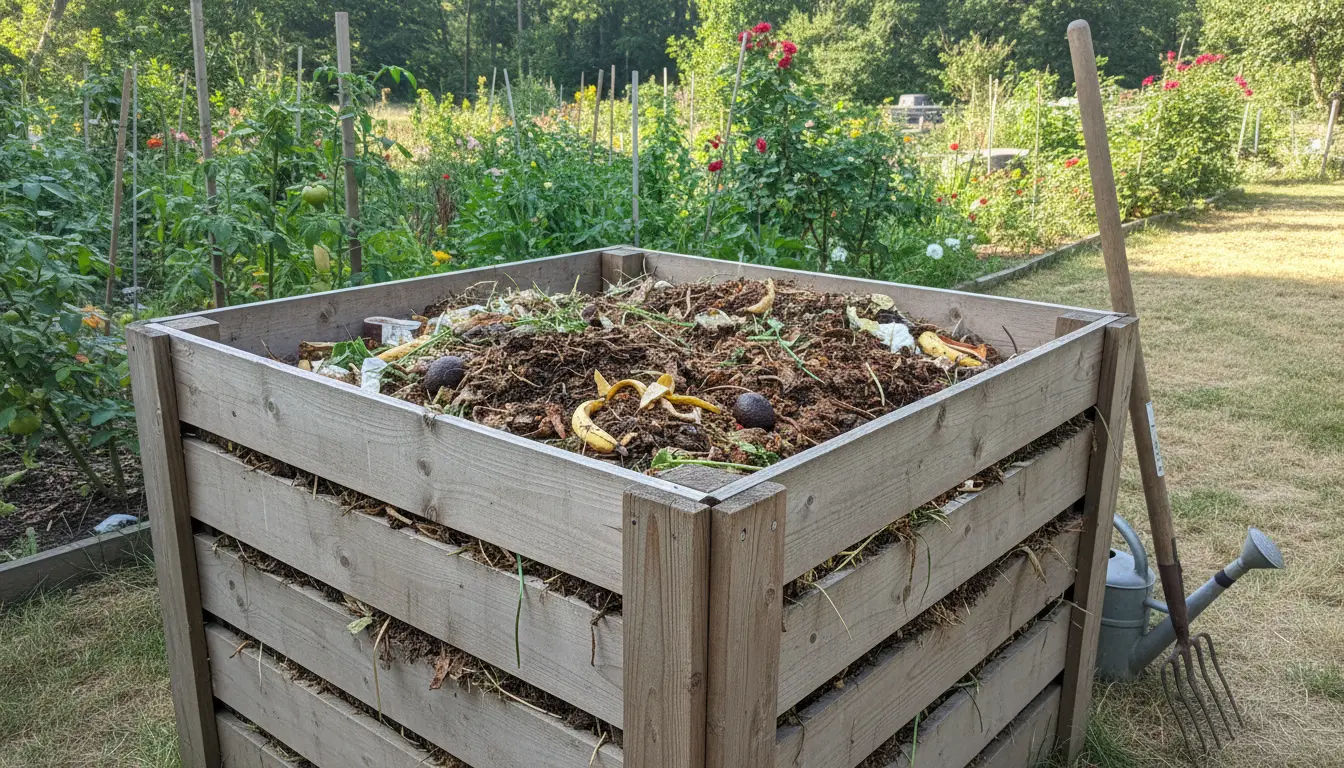
Home composting turns kitchen scraps and yard waste into nutrient-rich soil. This guide explains simple, practical steps to start and maintain compost at home. Follow the methods below to avoid common mistakes and get consistent results.
What Is Home Composting?
Home composting is the controlled decomposition of organic materials like food scraps and yard trimmings. The process produces humus, a dark, crumbly material that improves soil structure and fertility.
Composting reduces household waste, lowers methane from landfills, and supports healthy plants. It is an accessible practice for yards, balconies, and even small apartments.
How to Start Home Composting
Home Composting Methods
Choose a method that fits your space and schedule. Common options include a backyard compost bin, a tumbler, or an indoor worm bin (vermicomposting). Each method suits different volumes and maintenance levels.
What You Need to Begin
- Container: a bin, tumbler, or designated pile.
- Materials: a mix of greens (nitrogen) and browns (carbon).
- Tools: a garden fork or pitchfork to turn the pile.
- Location: a well-drained, partially shaded spot for outdoor bins.
Home Composting Materials
Greens and Browns
Balance is key. Greens provide nitrogen and are moist. Browns add carbon and structure.
- Greens: vegetable scraps, fruit peels, coffee grounds, fresh grass clippings.
- Browns: dried leaves, straw, shredded paper, cardboard.
A good starting ratio is roughly 1 part greens to 2–3 parts browns by volume. Adjust based on smell and moisture.
Step-by-Step: Building Your First Pile
Follow these steps for a basic outdoor bin or pile. Each step is quick and practical.
- Prepare the base with coarse browns like small branches or straw to aid drainage.
- Add alternating layers of greens and browns, aiming for a balanced mix.
- Keep the pile moist like a wrung-out sponge. Water lightly if it dries out.
- Turn the pile every 1–2 weeks to introduce oxygen and speed decomposition.
- Harvest finished compost after 2–6 months depending on method and conditions.
Maintaining Your Home Compost
Monitoring simple conditions keeps compost healthy. Focus on moisture, aeration, and balance.
- Moisture: Too wet leads to odor; too dry halts progress. Aim for damp, not soggy.
- Aeration: Turning supplies oxygen to microbes. Use a fork or a compost tumbler for easier turning.
- Temperature: Active piles heat to 130–160°F (55–70°C). This indicates fast breakdown and pathogen reduction.
Common Problems and Fixes
Bad Smell
A sour, ammonia, or rotten smell means too many greens or poor airflow. Add dry browns and turn the pile to restore balance.
Pests
Rodents and flies can be deterred by burying food scraps inside the pile and avoiding meat, dairy, and oily foods. Use a sealed tumbler or a closed bin in urban areas.
Slow Decomposition
Slow breakdown often results from low moisture, compacted materials, or low temperatures. Chop materials smaller, add water if dry, and turn more frequently.
Composting can reduce household waste by up to 30%. Backyard composting also returns essential nutrients to your garden and improves soil water retention.
Small Space Home Composting Tips
Apartment dwellers can compost with limited space and no yard. Vermicomposting uses worms to process food scraps in a small indoor bin.
- Use a lidded plastic bin with drainage and bedding like shredded cardboard.
- Add food scraps in small amounts and avoid citrus or oily foods in large quantities.
- Harvest worm castings every few months and use them as a potent plant fertilizer.
Simple Real-World Case Study
Case: A two-person household in a suburban home started a 3-bin system. They collected kitchen scraps in a sealed indoor container and emptied it weekly into the active bin.
They balanced greens and browns, turned the pile every 10 days, and watered during dry weeks. After four months, they had usable compost for their vegetable beds and reduced their weekly trash by half.
Key takeaway: Consistency with turning and balance produced good results without extra costs.
Using Finished Home Compost
Finished compost is dark, crumbly, and smells earthy. Use it as a soil amendment, top dressing, or starting mix component.
- Blend 1–3 inches of compost into garden beds before planting.
- Top dress lawns or potted plants with a thin layer to add nutrients slowly.
- Mix with potting soil to improve water retention and nutrient content for containers.
Final Checklist for Home Composting
- Choose a composting method that fits your space.
- Keep a good greens to browns balance and maintain moisture.
- Turn regularly to supply oxygen and speed decomposition.
- Avoid adding meat, dairy, and oily foods to outdoor piles.
- Harvest and use finished compost to enrich soil and reduce waste.
Start small and adjust as you learn. Home composting is low-cost and flexible, and it delivers measurable benefits to your garden and the planet.