
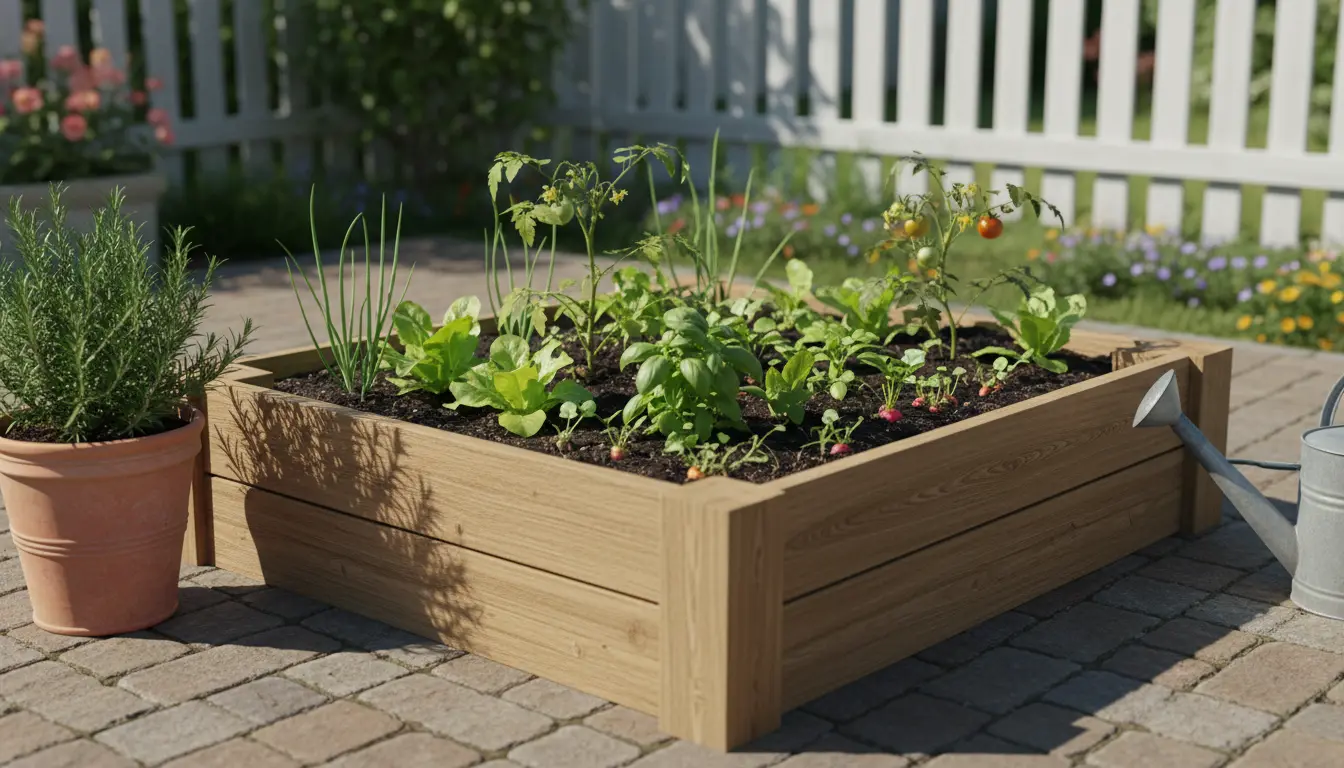
Starting a small vegetable garden is a practical way to grow fresh food, save money, and learn useful skills. This guide walks you through simple, actionable steps to set up a productive small vegetable garden with limited space and time.
Plan Your Small Vegetable Garden
Good planning saves time and prevents common mistakes. Decide how much space you can dedicate and what you want to grow before buying seeds or supplies.
Choose a Location for Your Small Vegetable Garden
Most vegetables need at least 6 hours of direct sunlight. Observe sunny spots for several days to find the best location.
Consider access to water, wind protection, and proximity to your home for easier maintenance.
Size and Layout Tips
Start small: a 4×4 foot raised bed or a few large containers is easier to manage. Use square-foot gardening or container rows to maximize yield in tight spaces.
Sketch a simple layout indicating beds, paths, and container groupings to visualize workflow and crop rotation.
Prepare Soil and Containers for a Small Vegetable Garden
Healthy soil is the foundation of a productive small vegetable garden. Focus on soil structure, drainage, and nutrients.
Best Soil Mix for a Small Vegetable Garden
For raised beds and containers use a mix of quality topsoil, compost, and a light mineral component like perlite or coarse sand. A common recipe is 50% compost, 30% topsoil, 20% aeration material.
Test soil pH if possible. Most vegetables prefer pH 6.0–7.0. Adjust with lime to raise pH or sulfur to lower pH as needed.
Choose Easy Crops for a Small Vegetable Garden
Select crops that give good yields in small spaces and have simple care needs. Focus on fast growers and vertical producers.
- Lettuce, spinach, and salad greens — quick harvests and space-efficient.
- Radishes and carrots — small roots fit containers or shallow beds.
- Tomatoes (determinant or container varieties) — grow up stakes or cages.
- Beans and peas — vertical growers that save ground space.
- Herbs (basil, parsley, chives) — compact and useful in the kitchen.
Planting and Watering Your Small Vegetable Garden
Planting at the right time and watering correctly are critical for seed germination and plant health.
Planting Steps
- Read seed packet dates for last frost and planting depth.
- Sow seeds or transplant seedlings to recommended spacing to avoid overcrowding.
- Mulch around plants to conserve moisture and suppress weeds.
Watering Tips
Water deeply and less frequently to encourage strong roots. For containers, check moisture daily; small containers dry faster than raised beds.
Use drip irrigation or a soaker hose for consistent watering and lower water waste.
Maintenance and Pest Control for a Small Vegetable Garden
Routine maintenance keeps your small vegetable garden productive without a big time commitment. Spend short sessions several times a week.
- Weed regularly before they set seed.
- Prune damaged leaves and thin crowded seedlings.
- Rotate crops year to year to reduce soil-borne disease build-up.
Low-Chemical Pest Control
Use physical barriers like row covers, hand-pick large pests, and encourage beneficial insects with flowering plants.
Neem oil or insecticidal soap applied sparingly can treat many small pest outbreaks without harming pollinators when used correctly.
Container-grown tomatoes can produce fruit within 60–75 days of transplanting, making them excellent choices for small vegetable gardens and urban spaces.
Small Real-World Example: A Balcony 4×4 Success
Case study: Maria turned a 6-foot balcony into a productive small vegetable garden using four 12-inch containers and one 4×4 raised bed.
She planted two determinate tomatoes, a row of lettuce, three basil plants, and a trellis of bush beans. Over the summer she harvested weekly salads and two kilos of tomatoes.
Key practices she used: consistent morning watering, weekly compost feed, and hand-removal of caterpillars. Her initial investment was under $100 and saved roughly $30–$40 per month in store-bought greens.
Checklist to Start Your Small Vegetable Garden
- Choose a sunny location and measure available space.
- Decide between containers, raised beds, or in-ground rows.
- Buy or mix quality soil and compost.
- Select 3–6 easy crops suited to your climate.
- Set up watering method and basic pest defenses.
- Plan a simple maintenance schedule (15–30 minutes, 3 times a week).
Starting a small vegetable garden is manageable and rewarding. With a clear plan, quality soil, and some regular care, even limited spaces can yield fresh, healthy produce.