
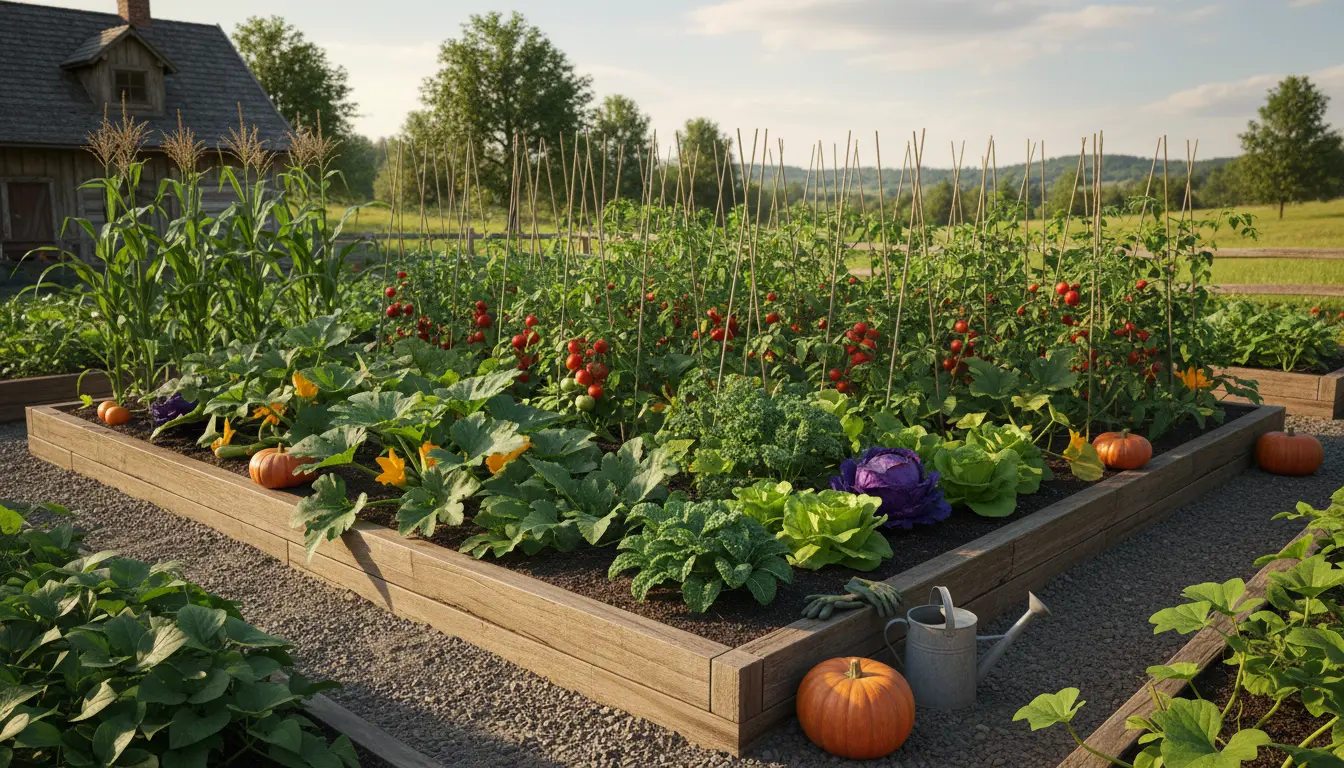
How to Start a Vegetable Garden: First Steps
Starting a vegetable garden is a practical way to grow fresh food and learn basic gardening skills. This guide covers clear, actionable steps to help beginners set up a productive garden.
Choose the Right Site to Start a Vegetable Garden
Select a location that gets at least six hours of direct sun daily for most vegetables. Good sunlight improves growth and reduces disease risk.
Consider access to water and how close the site is to your home for easy care. Level ground with good drainage works best.
Plan Your Garden Layout
Decide between raised beds, in-ground rows, or containers based on space and soil quality. Raised beds warm faster and drain well, while containers are great for balconies.
- Measure available space and sketch a simple layout.
- Leave paths for access and maintenance.
- Group plants with similar sunlight and water needs together.
Test and Prepare Soil for a Vegetable Garden
Healthy soil is the foundation of a good garden. Test pH and nutrient levels with a basic kit or send a sample to a local extension service.
Improve soil with organic matter: compost, well-rotted manure, or leaf mold. Mix these into the top 6–12 inches for most vegetables.
Soil Amendments and Fertilizer
Use balanced fertilizer if soil tests show deficiencies. Organic options like compost and blood meal supply slow-release nutrients.
Avoid over-fertilizing young plants; follow package directions and re-test soil annually.
Choose Vegetables to Grow
Start with easy crops that fit your climate and season. Good beginner plants include tomatoes, peppers, lettuce, radishes, green beans, and herbs.
Consider planting a mix of quick-growing crops (lettuce, radish) and longer-season crops (tomatoes, peppers) for steady harvests.
Planting: Seeds vs. Starts
Decide whether to sow seeds or buy young plants (starts). Seeds are cheaper, while starts give faster results and reduce early-season care.
- Sow seeds at recommended depths and spacing on the packet.
- Harden off indoor-started seedlings before transplanting outdoors.
Watering and Mulching for a Healthy Vegetable Garden
Water deeply and less frequently to encourage strong roots. Aim for consistent moisture, especially during flowering and fruiting.
Mulch with straw, shredded leaves, or bark to retain moisture, suppress weeds, and regulate soil temperature.
Watering Tips
- Use soaker hoses or drip irrigation for efficient watering.
- Water in the morning to reduce evaporation and disease risk.
- Check soil moisture with a finger test—moist but not waterlogged.
Pest and Disease Management in a Vegetable Garden
Monitor plants weekly for pests or disease. Early detection makes control easier and reduces crop loss.
Use these practical methods first:
- Handpick large pests like caterpillars and beetles.
- Encourage beneficial insects like ladybugs and lacewings.
- Use row covers to protect young plants from insects and birds.
Maintenance and Seasonal Care
Regular tasks include weeding, pruning, staking, and harvesting. Keep a simple calendar for sowing and harvest times.
Rotate crops each year to reduce disease and nutrient depletion. Avoid planting the same family in the same spot consecutively.
Harvesting and Storage
Harvest vegetables at peak ripeness for best flavor and nutrition. Pick frequently to encourage more production in many crops.
Store harvests properly: leafy greens cool and moist, root crops in a cool dark place, and tomatoes at room temperature until fully ripe.
Companion planting, like growing basil near tomatoes, can improve flavor and help repel some pests. Simple pairings often boost health and yield.
Example Case Study: Small Balcony Vegetable Garden
Mary had a 6-foot balcony and wanted fresh herbs and tomatoes. She used three 12-inch containers and one 4×2 foot raised trough.
She selected determinate cherry tomatoes, basil, and salad lettuce. With twice-weekly watering, a layer of compost, and morning sun, she harvested fresh salads and several pints of cherry tomatoes over the season.
Her key wins: container soil mix, regular feeding with liquid fertilizer, and staking the tomatoes early to prevent breakage.
Quick Checklist to Start a Vegetable Garden
- Choose a sunny site and measure space.
- Test and amend soil; add compost.
- Select easy vegetables for your climate.
- Decide seeds or starts; plant at recommended times.
- Water consistently; mulch to save water and suppress weeds.
- Monitor pests and rotate crops yearly.
Final Tips to Keep Your Vegetable Garden Productive
Start small and expand as you gain confidence. Keep simple records of planting dates and harvest amounts to improve next season’s planning.
Join a local gardening group or extension service for region-specific advice. Practical, consistent care will reward you with reliable home-grown vegetables.