
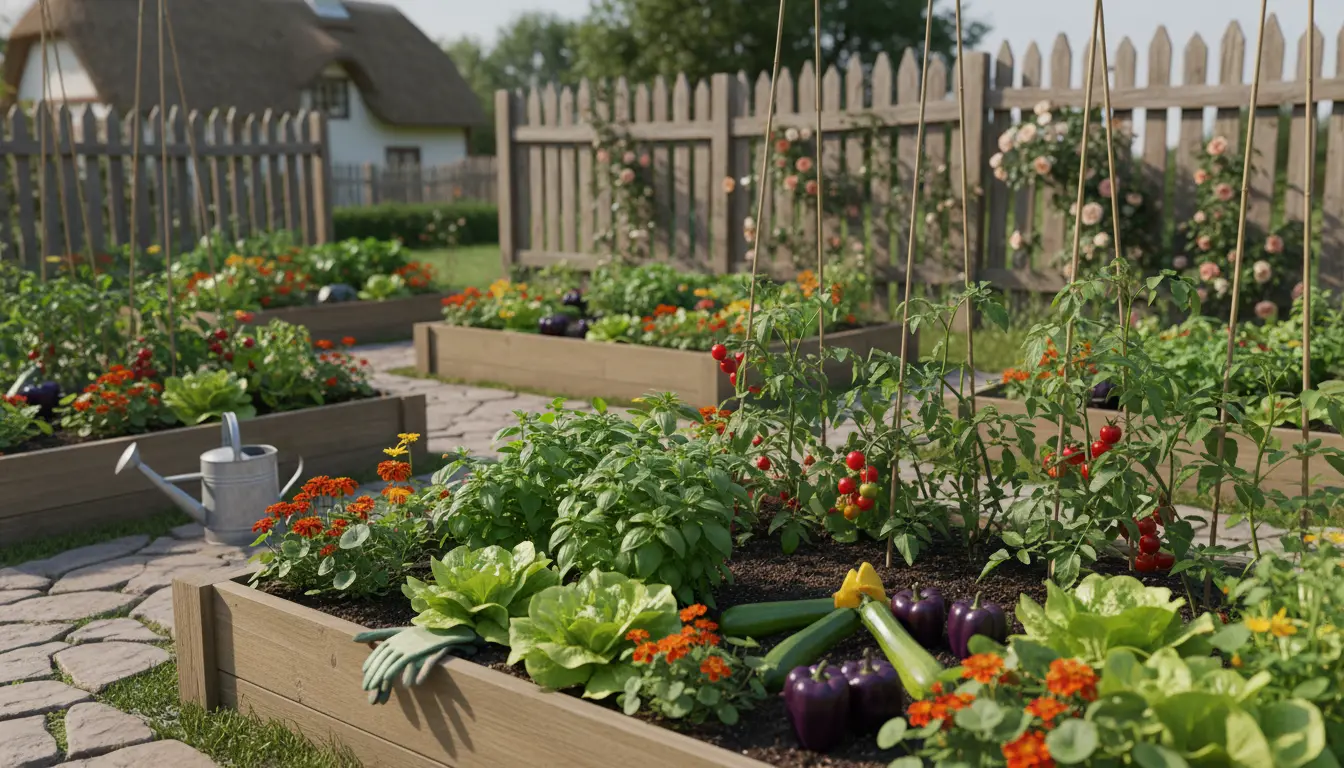
Starting a small vegetable garden is a practical way to grow fresh produce, save money, and enjoy time outdoors. This guide covers planning, soil preparation, planting, and basic care so you get reliable results without overwhelm.
Plan Your Small Vegetable Garden
Decide where to place your small vegetable garden first. Choose a spot that gets at least six hours of direct sunlight and has good drainage.
Consider these layout options for a small vegetable garden:
- Container gardening on a balcony or patio.
- One or two raised beds (4×4 or 4×8 feet).
- In-ground row or patch in a backyard corner.
Pick vegetables that match your climate and cooking habits. For beginners, choose fast-growing, low-maintenance crops like lettuce, radishes, bush beans, and cherry tomatoes.
Choose the Right Size and Location
A 4×8-foot raised bed yields a surprising amount of produce and is easy to manage. If space is very limited, use containers or vertical supports for vining plants.
Keep the garden near a water source to make watering simple. If wind is strong, add a low fence or windbreak to protect plants.
Prepare Soil and Beds for a Small Vegetable Garden
Healthy soil is the most important factor in a productive small vegetable garden. Test soil pH and nutrient levels with a home kit or local extension service.
Improve soil quality by adding compost and well-rotted manure. Mix a 2–4 inch layer of compost into the top 6–8 inches of soil in beds or containers.
- Use a balanced organic fertilizer if needed after testing.
- For containers, use a high-quality potting mix with good drainage.
Raised Beds vs. Containers
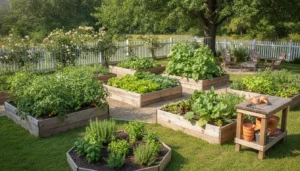
Raised beds warm faster in spring and are easier to amend. Containers are ideal for patios and balconies and reduce weed pressure.
Choose the approach that fits your space and mobility needs. Both methods work well for small vegetable gardens.
Planting: What and When to Plant in a Small Vegetable Garden
Plan your planting calendar around your local frost dates. Start seeds indoors for warm-season crops or buy seedlings from a garden center for quicker results.
Good beginner plants for a small vegetable garden include:
- Lettuce and other salad greens (quick and continuous harvest).
- Radishes (mature in 3–4 weeks).
- Bush beans (compact and prolific).
- Cherry tomatoes (grow well in containers or cages).
- Herbs such as basil, parsley, and chives.
Use companion planting to maximize space. For example, plant basil near tomatoes to save space and possibly improve flavor.
Succession Planting for Continuous Harvest
Succession planting means sowing new seeds every few weeks. This method keeps a steady supply of vegetables from a small area and makes the most of limited space.
Stagger plantings of lettuce and radishes to avoid harvest gluts and gaps.
Watering and Maintenance for a Small Vegetable Garden
Consistent watering is vital, especially in containers and small beds. Water deeply and less often to encourage strong root growth.
Install a simple soaker hose or drip irrigation to save water and reduce disease by keeping leaves dry. Mulch around plants to retain moisture and suppress weeds.
- Water in the morning to reduce evaporation.
- Check soil moisture with a finger test—soil should be damp 1–2 inches below the surface.
- Remove weeds promptly to reduce competition for nutrients.
Common Pests and Simple Controls
Watch for pests like aphids, slugs, and caterpillars. Use hand-picking, barriers, or organic sprays as first-line defenses.
Encourage beneficial insects by planting flowers like marigolds or calendula near your small vegetable garden.
Harvesting and Storing from a Small Vegetable Garden
Harvest vegetables at peak ripeness for the best flavor. Regular harvesting often encourages plants to produce more.
Store produce properly: lettuce cool and humid, tomatoes at room temperature, and beans refrigerated. Preserve extras by freezing or pickling.
Simple Recipes and Uses
Turn a small harvest into quick meals: mixed salad greens for lunch, sautéed beans as a side, or fresh basil for pesto.
Planting in a 4×8 raised bed can produce as much food as several square yards of traditional garden space due to denser planting and easier care.
Small Case Study: One Raised Bed, Big Yield
Case: Sarah, a first-time gardener, used a 4×8 raised bed in a sunny backyard. She prepared the bed with compost and planted lettuce, bush beans, cherry tomatoes, and basil.
By using succession planting and drip irrigation, Sarah harvested fresh salads for her family all summer. Her raised bed produced enough tomatoes and beans to freeze and share with neighbors.
Key takeaways from her experience were consistent watering, timely harvesting, and choosing compact varieties for a small vegetable garden.
Wrap Up: Keep It Simple and Consistent
Starting a small vegetable garden is mostly about good planning and regular care. Begin with a modest space, focus on easy crops, and improve soil over time.
With a little attention each week, a small vegetable garden can supply fresh produce and a rewarding hobby.