
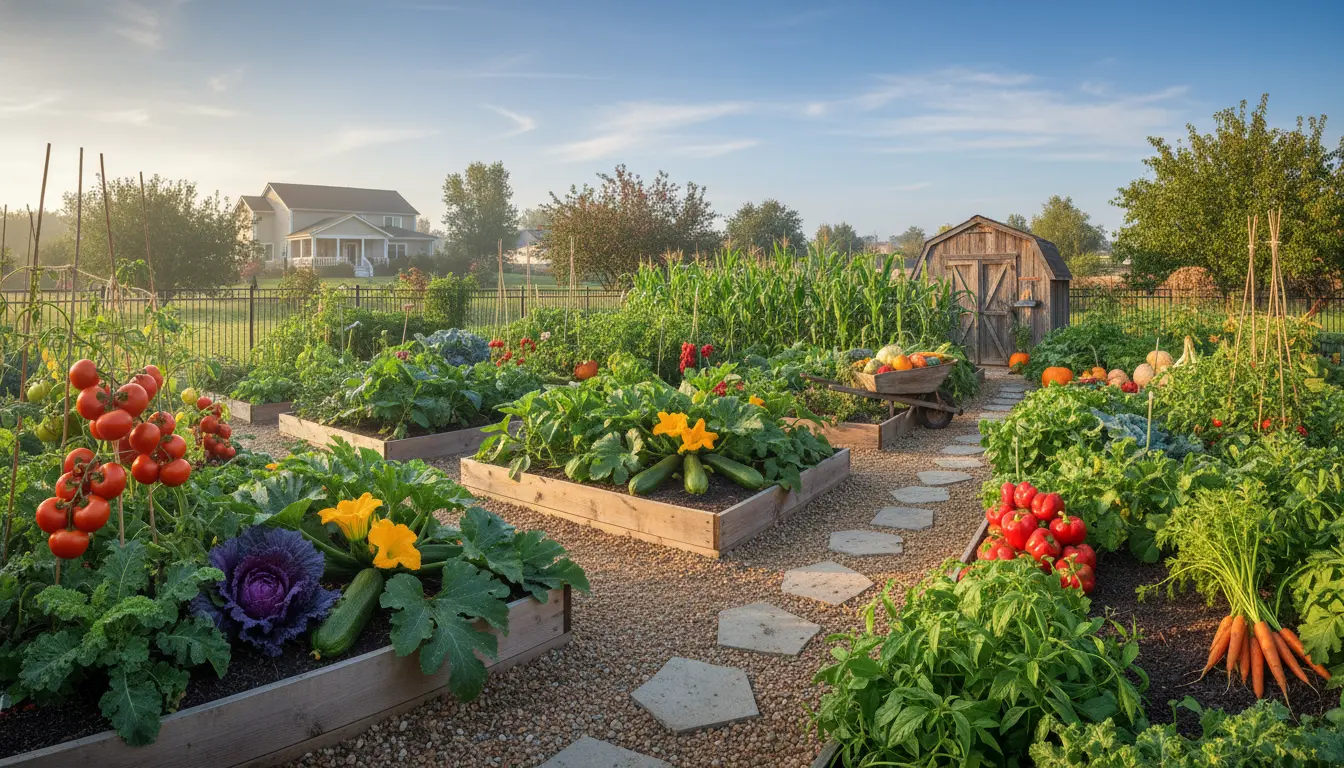
Starting a vegetable garden is a rewarding way to grow fresh food, save money, and enjoy outdoor time. This guide gives clear, practical steps you can follow whether you have a balcony, a small yard, or a larger plot.
How to Start a Vegetable Garden: Plan Your Space
Decide where to place your garden before buying plants or soil. Most vegetables need 6–8 hours of direct sunlight; choose the sunniest spot available.
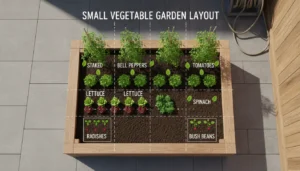
Think about access to water, drainage, and convenience. Raised beds, containers, and in-ground rows each work well depending on space and budget.
Choose the Right Garden Type
Match your time and physical capacity to a garden type. Containers suit balconies and patios; raised beds reduce bending and improve soil control; in-ground beds are cost-effective for larger areas.
Consider mobility needs, pet access, and how much you want to garden weekly.
Soil Preparation When Starting a Vegetable Garden
Good soil is the foundation for a productive vegetable garden. Test soil texture and pH with a simple kit or local extension service.
Loosen compacted soil and incorporate organic matter like compost or well-rotted manure to improve structure and nutrients.
Basic Soil Mix for Raised Beds
- 40% topsoil
- 40% compost
- 20% aeration material (coconut coir, perlite, or coarse sand)
This mix drains well and holds moisture for most vegetables.
Plant Selection and Timing

Choose plants suited to your climate and season. Use local extension planting calendars or seed packet dates to time sowing and transplanting.
Start with easy crops if you are new: tomatoes, lettuce, radishes, bush beans, and herbs like basil and chives are forgiving and fast to harvest.
Succession Planting for Continuous Harvests
Space plantings every 2–3 weeks for quick crops like salad greens to keep a steady supply. Replace spent plants with new seedlings or direct-sown seeds.
Watering, Feeding, and Maintenance
Water deeply and less frequently rather than light daily sprinkling. Aim for consistent soil moisture to avoid stress and cracking in produce.
Mulch with straw or shredded leaves to conserve water and suppress weeds. Feed with balanced organic fertilizer or compost tea based on plant needs.
Simple Watering Schedule
- Seedlings: keep surface consistently moist until established.
- Established vegetables: 1–2 inches per week, applied in 1–2 deep waterings.
- Adjust for hot, windy weather and heavy rainfall.
Pest and Disease Management
Prevent problems with good practices: rotate crops, avoid overcrowding, and remove diseased plants promptly. Healthy plants resist pests and disease better.
Use barriers like row covers, hand-pick larger pests, and introduce beneficial insects where possible.
Low-Toxic Options
- Neem oil or insecticidal soap for soft-bodied insects
- Diatomaceous earth around stems for slugs and snails
- Floating row covers to protect seedlings from flea beetles
Did You Know?
Did You Know? A single tomato plant in a small raised bed can produce 10–20 pounds of fruit in a season with proper care. That yield can pay back the cost of a raised bed in one summer.
Seasonal Tips for Starting a Vegetable Garden
Spring and fall are the primary planting seasons in temperate climates. Start cool-season crops early and heat-loving crops after the last frost.
In hot climates, plan for shade during peak summer and consider winter gardens for many vegetables.
Winter and Hot-Season Strategies
- Use shade cloth and drip irrigation in summer heat.
- Start seeds indoors for an early spring crop.
- Use cold frames or cloches to extend the season in cooler areas.
Small Real-World Example: A Successful First Season
Case study: In her first season, Maria used two 4×8 raised beds in a suburban backyard. She filled beds with a 40/40/20 soil mix and planted determinate tomatoes, bush beans, lettuce, and basil.
She watered with a simple soaker hose, mulched heavily, and did weekly checks for pests. By late summer, she harvested over 30 pounds of tomatoes, several harvests of greens, and multiple basil trims for pesto.
Her costs for beds and soil were recovered by fresh produce and reduced grocery trips that season.
Tools and Supplies Checklist to Start a Vegetable Garden
- Spade or shovel, fork, and hand trowel
- Soaker hose or drip irrigation kit
- Quality compost and mulch
- Seeds or seedlings suited to your zone
- pH test kit and balanced organic fertilizer
Final Steps: Start Small and Learn
Begin with a manageable space and a few reliable crops. Garden sizes that match your available time are more likely to succeed.
Keep notes on planting dates, varieties, and problems. Small adjustments each season lead to steady improvement and bigger harvests over time.
With basic planning, soil work, and routine care, you can start a vegetable garden that supplies healthy food and satisfaction. Try one raised bed or a cluster of containers and expand as you gain confidence.