
Why Home Composting for Beginners Matters
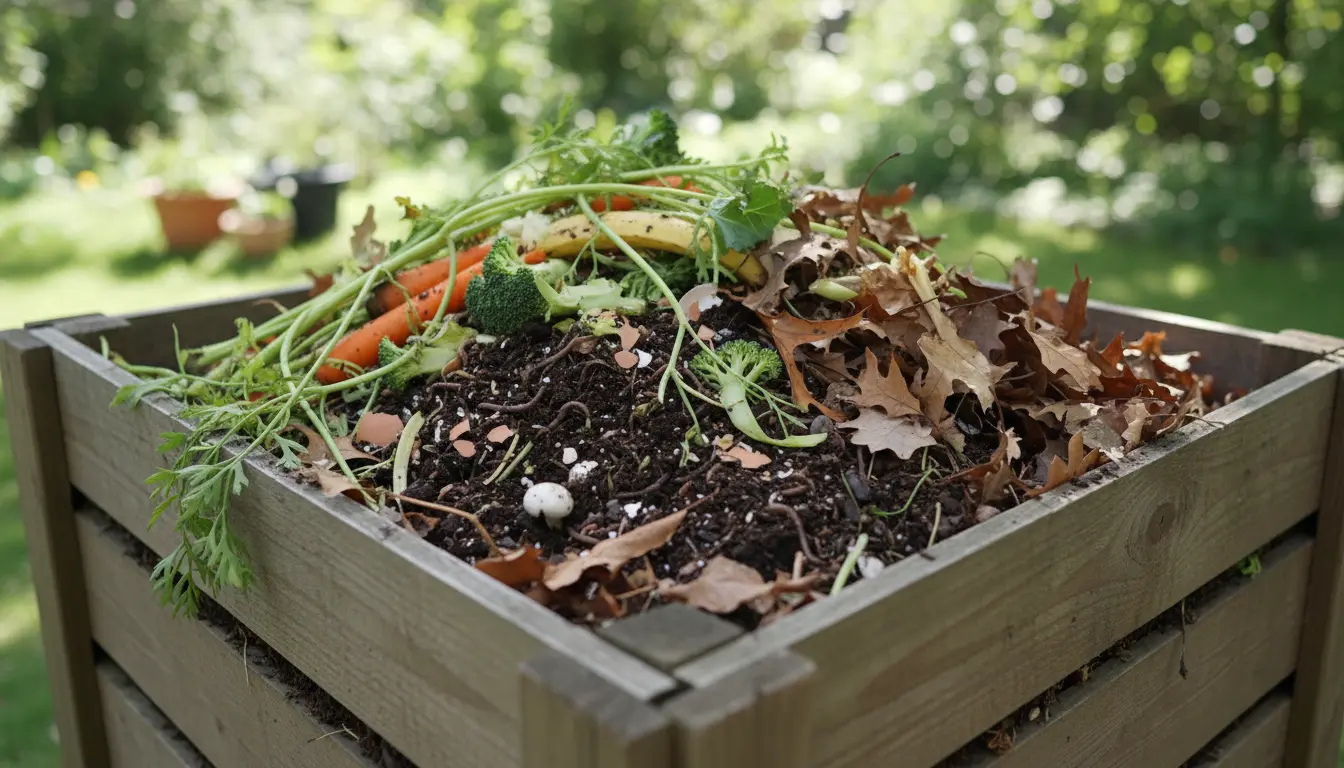
Home composting turns food scraps and yard waste into valuable soil amendment. This reduces landfill waste and improves garden health without complex equipment.
For beginners, the process is simple to learn and can fit small urban spaces or larger yards. This guide gives clear, actionable steps and troubleshooting tips.
Choose the Right System for Home Composting for Beginners
Selecting the right composting system depends on space, time, and how much waste you produce. Options include a simple pile, enclosed bin, tumbler, or worm composting.
- Compost Pile: Low cost, works best in yards with space.
- Enclosed Bin: Cleaner and neater, good for small yards.
- Tumbler: Easier turning, faster results but higher cost.
- Vermicompost (worms): Ideal for indoor kitchens and small amounts of food waste.
Basic Materials and Ratios
Successful compost needs a balance of carbon rich and nitrogen rich materials. Beginners should aim for roughly a 3:1 ratio by volume of carbon to nitrogen.
- Carbon (brown): Dry leaves, straw, shredded paper, cardboard.
- Nitrogen (green): Vegetable scraps, coffee grounds, grass clippings.
Layer materials and keep the pile slightly moist, like a wrung-out sponge. Too dry slows decomposition and too wet causes odors.
Step-by-Step Setup for Home Composting for Beginners
Follow these basic steps to start composting at home. Each step is quick and uses common household items.
- Pick a location: Choose a spot with partial shade and good drainage.
- Set up the container: Place a bin or mark the pile area on bare soil to allow worms access.
- Add a base layer: Start with coarse browns like twigs to aid airflow.
- Layer greens and browns: Add kitchen scraps and cover with browns to reduce pests.
- Maintain moisture and aeration: Turn the pile every 1-2 weeks to introduce oxygen.
Quick Tips for Daily Use
- Chop large scraps to speed breakdown.
- Keep meat, dairy, and oily foods out of regular bins to avoid pests.
- Use a kitchen caddy for scraps to make collecting easier.
Troubleshooting Common Problems
Beginners often run into familiar issues. Use these practical fixes to keep your compost healthy.
- Bad smells: Add more brown material and turn the pile to add oxygen.
- Too dry: Add water and green materials, then mix thoroughly.
- Slow decomposition: Chop materials finer and ensure proper moisture and aeration.
- Pests: Bury food scraps under a layer of browns or use a secure bin with lid.
How to Tell When Compost Is Ready
Mature compost is dark brown, crumbly, and smells earthy. Most backyard piles are ready in 3-9 months depending on conditions.
Use finished compost as a soil amendment, mixing it into beds, top dressing potted plants, or making compost tea for a nutrient boost.
Practical Uses for Finished Compost
- Mix into planting holes for vegetables and flowers.
- Top-dress lawns to improve soil structure.
- Blend with potting mix for houseplants.
Composting can reduce household waste by up to 30 percent and return nutrients to the soil, lowering the need for chemical fertilizers.
Real-World Example: Small Household Case Study
Case study: A two-person apartment household used a worm compost bin for 12 months. They diverted fruit and vegetable scraps, coffee grounds, and shredded paper from the trash.
After six months they produced about 30 liters of vermicompost. They used this in balcony planters and saw stronger growth in herbs and tomatoes. The system required weekly feeding and simple maintenance.
Additional Practical Advice for Home Composting for Beginners
Start small and expand as you gain confidence. Track what you add and note which adjustments improve results.
Community resources like municipal composting guides, local gardening clubs, and extension services can offer region-specific advice. Many cities offer free or low-cost composting workshops.
Quick Checklist Before You Start
- Choose a bin type and location.
- Gather brown materials before adding greens.
- Keep tools handy: pitchfork, garden thermometer, watering can.
- Plan a simple turning schedule and monitoring routine.
Home composting for beginners is an achievable way to reduce waste and improve soil without major expense. With a few basic practices and regular attention, anyone can produce rich compost for healthier plants and a smaller environmental footprint.