
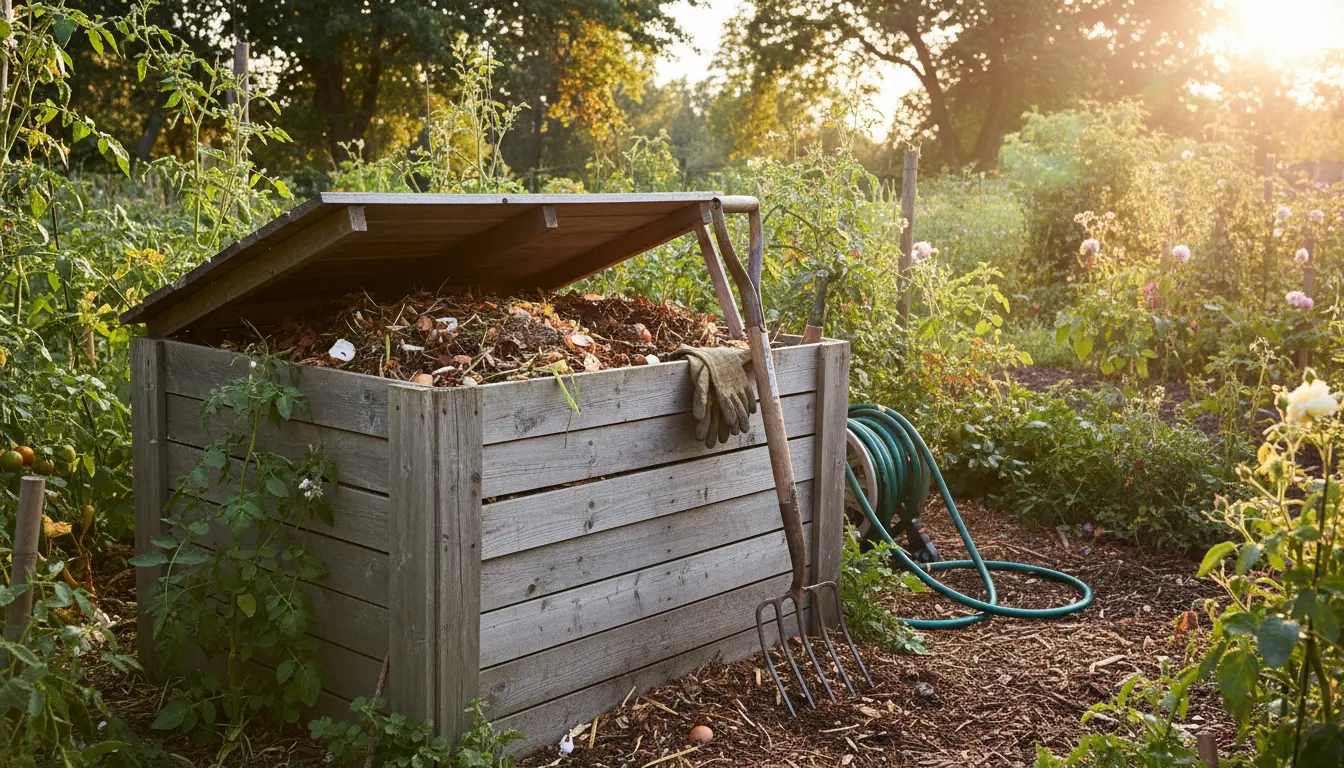
Home composting turns kitchen scraps and garden waste into nutrient-rich soil, reduces trash, and improves garden health. This guide explains simple, practical steps to start and maintain a reliable home composting system.
What Is Home Composting?
Home composting is the controlled decomposition of organic materials at a household scale. It recycles food scraps, yard trimmings, and paper into humus that improves soil structure and plant growth.
Why Home Composting Helps
Composting reduces landfill waste, lowers methane emissions, and returns nutrients to soil. It also cuts fuel and fertilizer costs for gardeners while supporting soil biodiversity.
How to Start Home Composting
Starting home composting requires the right mix, container, and location. You do not need special tools to begin—just a plan and regular attention.
Essential Materials
- Greens: fruit and vegetable scraps, coffee grounds, fresh grass clippings.
- Browns: dry leaves, shredded paper, cardboard, straw.
- Water: to keep the pile moist but not soggy.
- Air: turning or aeration to keep microbes active.
Choosing a Compost Bin
Pick a bin that fits your space and needs. Options include tumblers, enclosed plastic bins, wooden bins, and simple open piles.
- Tumblers: good for speed and less effort turning; ideal for small yards.
- Plastic or enclosed bins: tidy and rodent-resistant.
- Open piles: low-cost and flexible for larger yards but need more management.
What to Compost and What to Avoid
Knowing what to add and what to skip prevents odor and pests. Aim for a balanced mix of greens and browns.
Good Items for Home Composting
- Vegetable and fruit scraps, coffee grounds, tea bags (no plastics).
- Eggshells, small amounts of shredded paper, cardboard, nutshells.
- Yard waste: leaves, grass clippings, small twigs.
Items to Avoid
- Meat, fish, dairy, and oily foods (attract pests and create odors).
- Diseased plants, pet waste, and invasive weeds with seeds.
- Glossy paper, plastics, and treated wood.
Maintaining Your Home Compost
Routine maintenance keeps compost active and fast. Focus on balance, moisture, and aeration.
Balance Greens and Browns
Use a rough ratio of 1 part greens to 2–3 parts browns by volume. If the pile smells, add more browns. If decomposition is slow, add greens and moisture.
Turning and Aeration
Turn the pile every 1–2 weeks to introduce oxygen and mix materials. For tumblers, rotate regularly. Aeration prevents anaerobic pockets and odors.
Moisture and Temperature
Compost should feel like a wrung-out sponge. In dry seasons, add water; in rainy climates, cover the pile. Active piles heat to 120–160°F (50–70°C), which speeds decomposition and kills seeds and pathogens.
Speeding Up Composting and Using Finished Compost
There are simple ways to accelerate composting and put finished compost to work in your garden.
- Shred or chop materials to increase surface area and speed breakdown.
- Add finished compost or garden soil early to introduce microbes.
- Use compost as a soil amendment, top dressing, or in potting mixes.
Finished compost is dark, crumbly, and earthy-smelling. It improves drainage, water retention, and nutrient availability when mixed into beds or used as mulch.
Common Troubleshooting for Home Composting
- Bad odor: add dry browns and turn the pile; check for meat or dairy contamination.
- Slow decomposition: chop materials, add greens, or increase moisture and heat.
- Pests: use enclosed bins, bury food scraps in the center, and avoid leaving meat or dairy out.
Food scraps and yard waste make up nearly 30 percent of household trash. Composting at home can divert most of that material from landfills and reduce greenhouse gas emissions.
Small Case Study: City Apartment Composting
Maria, a city apartment renter, started home composting using a small countertop bokashi bin and an outdoor community compost drop-off. She collected kitchen scraps in the bokashi bucket, fermented them for two weeks, and then deposited the pre-compost at her building’s shared garden.
Within six months, the community garden reported richer soil and higher vegetable yields. Maria reduced her trash volume by almost half and used the finished compost for potted herbs and tomato plants on her balcony.
Quick Checklist to Start Home Composting
- Choose a bin type that fits your space and pest concerns.
- Gather greens and browns and aim for balance.
- Monitor moisture and turn the pile regularly.
- Avoid banned items like meat and pet waste.
- Use finished compost to improve soil and reduce fertilizer needs.
Home composting is low-cost, practical, and scalable to any household. Start small, adjust as you learn, and you will see steady results within months. With routine care, compost becomes one of the best tools for healthier soil and a smaller household waste footprint.