
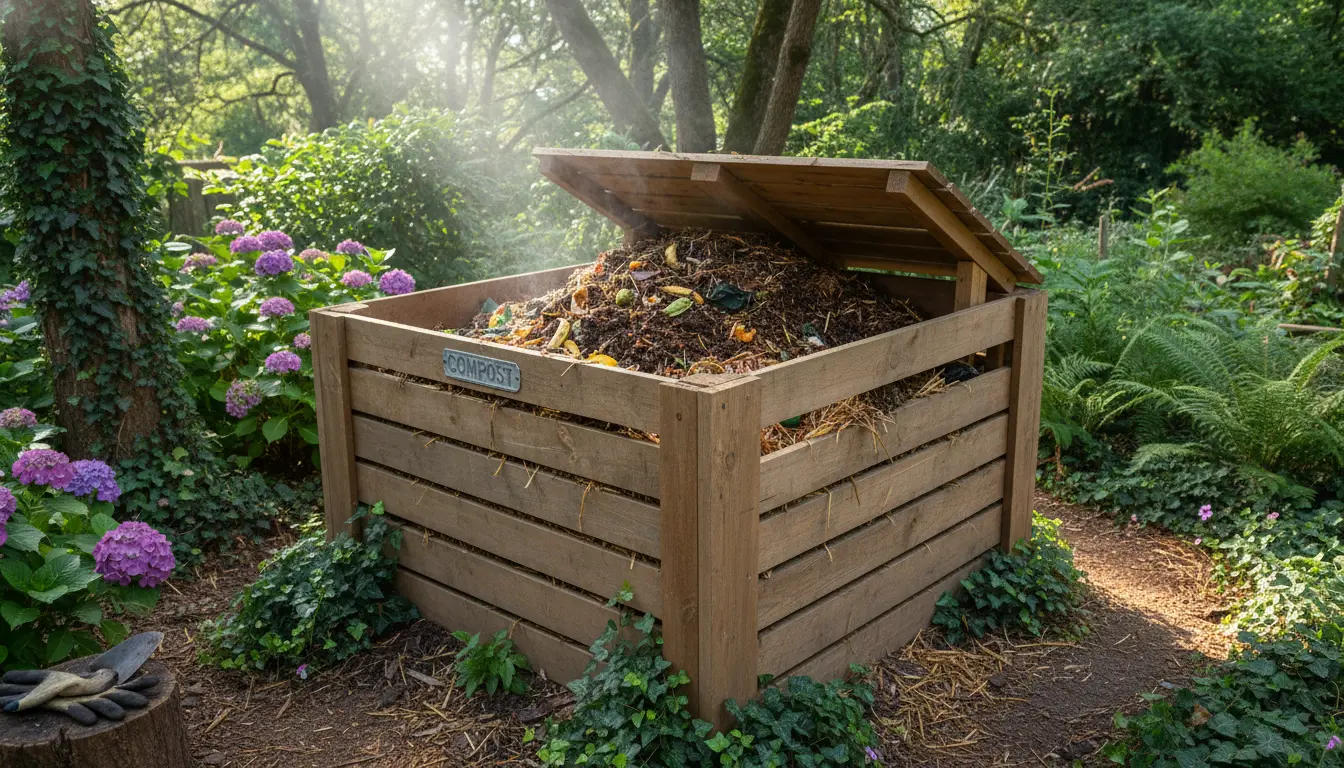
How to Start Composting at Home
Composting at home turns organic waste into a useful soil amendment and reduces trash going to landfills. This guide gives clear, actionable steps so you can begin composting in a backyard, balcony, or even a small apartment.
Why composting at home matters
Compost improves soil structure, retains moisture, and feeds plants naturally. It also cuts methane emissions from landfills by diverting food scraps into a controlled, aerobic process.
Choose a Composting Method
Selecting the right method depends on space, time, and what you want to compost. Pick one option and start simple; you can expand later.
Common methods to start composting
- Cold pile or bin – Low effort; good for yard waste and gradual breakdown.
- Compost tumbler – Faster results with regular turning; keeps pests out.
- Vermicomposting – Uses worms for fast kitchen-scrap processing; ideal for small spaces.
- Bokashi – Ferments food waste including meat and dairy before burying or adding to a compost system.
Step-by-Step: How to Start Composting at Home
Follow these basic steps to build a functional compost system. Keep each step small and manageable to maintain momentum.
1. Pick a container and location
Choose a shady, well-drained spot for an outdoor pile or a ventilated container for an apartment. For balconies, a worm bin or bokashi bucket works best.
2. Gather materials: Greens and Browns
Compost needs a balance of nitrogen-rich “greens” and carbon-rich “browns.” Aim for roughly a 1:2 ratio by volume (greens to browns).
- Greens: fruit and vegetable scraps, coffee grounds, fresh grass clippings.
- Browns: dry leaves, straw, shredded paper, cardboard.
3. Build the pile
Start with a layer of coarse browns to aid airflow. Alternate greens and browns in 2–4 inch layers. Keep the pile moist like a wrung-out sponge.
4. Maintain the compost
Turn or aerate the pile every 1–2 weeks for faster decomposition. In a tumbler, rotate according to manufacturer guidance. For worm bins, avoid overfeeding and keep bedding moist.
Troubleshooting and Tips for Composting at Home
Problems are usually solvable with simple adjustments. Use these tips to keep the process on track.
Common issues and fixes
- Bad odor: Add more browns and aerate. Odors usually mean too wet or low oxygen.
- Slow breakdown: Chop materials finer, add nitrogen-rich greens, and increase turning.
- Pests: Bury food scraps under browns, use a closed bin, or switch to a tumbler.
- Too dry: Sprinkle water and mix to rehydrate the pile.
Using Finished Compost
Finished compost is dark, crumbly, and smells earthy. Use it to enrich garden beds, top-dress lawns, or mix into potting soil for containers.
- Top dressing: Spread a 1/2 to 1 inch layer on beds in spring or fall.
- Soil amendment: Mix 1 part compost to 3 parts soil when planting.
- Potting mix boost: Add up to 20% compost by volume for fertility and structure.
About 30 to 40 percent of household waste is compostable. Diverting it from landfill significantly reduces greenhouse gas emissions.
Small Case Study: Apartment Vermicomposting
Maria, a city resident with a small balcony, started a worm bin using a 10-gallon tote and red wigglers. She added shredded newspaper, vegetable scraps, and coffee grounds.
Within three months she produced usable compost and cut her weekly garbage bag by almost half. Her balcony plants became healthier and required less store-bought fertilizer.
Practical Checklist to Start Composting at Home
Use this short checklist to begin. Keep it visible in your kitchen or near your bin.
- Choose method: cold bin, tumbler, worm bin, or bokashi.
- Set up container in a convenient spot.
- Collect and separate greens and browns.
- Monitor moisture and aerate regularly.
- Harvest finished compost and use it in the garden.
Final Thoughts on Composting at Home
Starting composting at home is low-cost and scalable. Begin with small, consistent habits and learn from simple troubleshooting.
Over time, composting saves money, improves plant health, and contributes to a more sustainable household waste routine.