
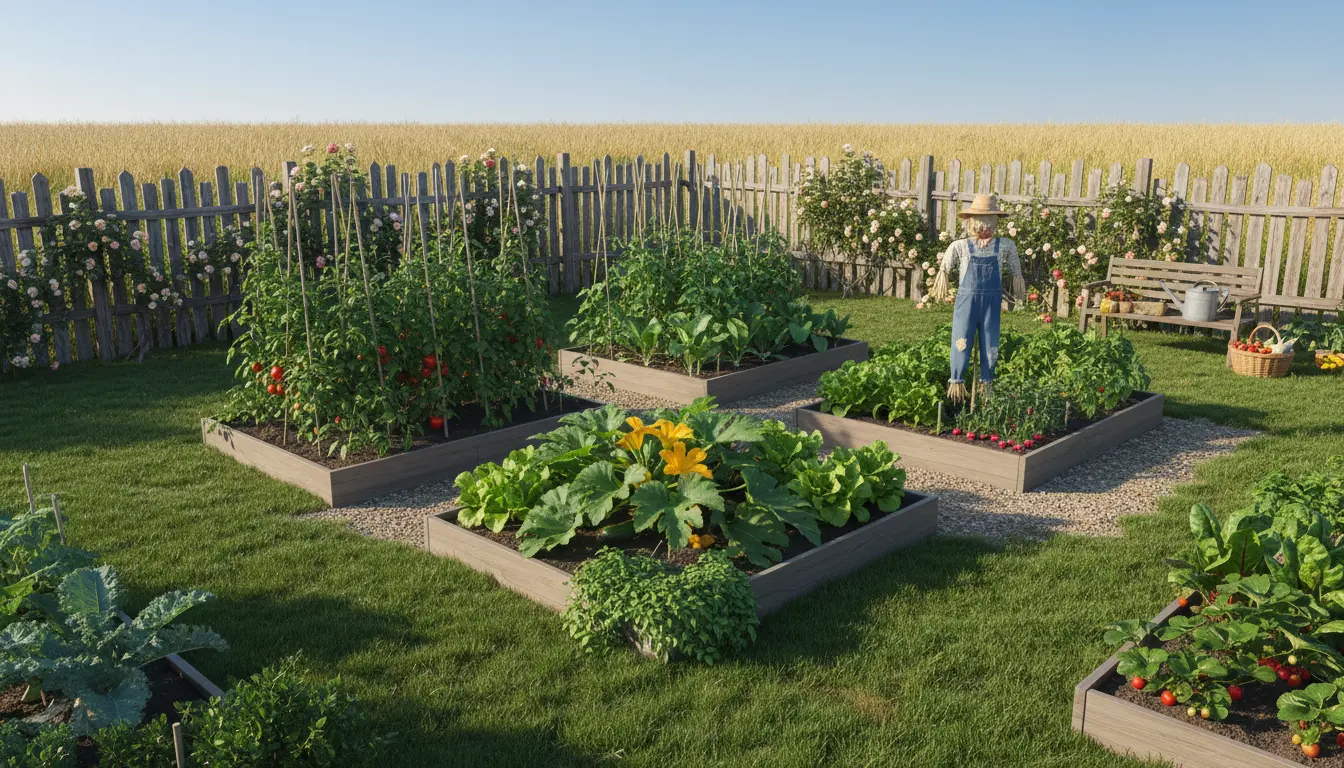
Why Start a Backyard Vegetable Garden
Growing vegetables at home saves money and gives you fresh, healthy produce. A backyard vegetable garden also reduces food miles and can be a relaxing, educational hobby.
Planning Your Backyard Vegetable Garden
Good planning makes the difference between a garden that succeeds and one that struggles. Start with a simple plan that fits your space and available time.
Choose a Site for Your Backyard Vegetable Garden
Pick a sunny spot that gets at least six hours of sun daily. Ensure the area has good drainage and easy access to water.
Decide on Garden Type and Size
Options include raised beds, in-ground rows, and containers. For beginners, a 4×8 foot raised bed is manageable and productive.
- Raised beds: better soil control and drainage.
- In-ground rows: lower setup cost, good for large plots.
- Containers: ideal for patios and small yards.
Soil Preparation for a Backyard Vegetable Garden
Healthy soil is the foundation of a productive garden. Test and amend the soil before planting to give vegetables the nutrients they need.
Test and Improve Soil
Use a basic soil test kit to check pH and nutrient levels. Most vegetables prefer a neutral pH between 6.0 and 7.0.
Amend soil with compost and well-rotted organic matter to improve structure and fertility. Apply 2–4 inches of compost and mix into the top 6–8 inches of soil.
Simple Soil Mix for Raised Beds
A common mix is 60% topsoil, 30% compost, and 10% coarse sand or perlite for drainage. Adjust ratios based on local soil texture.
Choosing Vegetables for Your Backyard Vegetable Garden
Pick vegetables that match your climate, taste, and season. Start with easy crops that produce quickly to build confidence.
- Fast growers: lettuce, radishes, spinach.
- Beginner favorites: tomatoes, peppers, bush beans.
- Perennials and herbs: asparagus, chives, oregano.
Succession Planting
Plan succession planting to extend harvests. After harvesting early crops, plant a second round to keep beds producing.
Planting and Watering in a Backyard Vegetable Garden
Follow seed packet or plant tag instructions for spacing and depth. Proper spacing reduces disease and improves airflow.
Watering Tips
Water deeply and infrequently to encourage strong roots. Aim for 1 to 1.5 inches of water per week, adjusted for rainfall.
- Use drip irrigation or soaker hoses to reduce water waste and leaf wetness.
- Water early in the morning to reduce evaporation and disease risk.
Maintenance: Weeds, Pests, and Fertilizing
Regular maintenance keeps plants healthy and productive. Set aside short, consistent times each week for basic tasks.
Weed Control
Mulch with straw or shredded leaves to suppress weeds and retain moisture. Pull weeds while they are small to reduce competition.
Pest Management
Use integrated pest management: monitor plants, hand-pick pests, and introduce beneficial insects when possible. Apply organic controls like neem oil for persistent problems.
Fertilizing
Side-dress with compost or balanced organic fertilizer mid-season. Avoid over-fertilizing, which can reduce flavor and create excessive foliage.
Harvesting and Storage from a Backyard Vegetable Garden
Harvest vegetables when ripe for best flavor and nutrition. Regular picking often encourages more production.
- Leafy greens: harvest outer leaves continuously.
- Tomatoes: pick when fully colored and slightly soft.
- Root crops: harvest when roots reach expected size.
Small Real-World Example: A First Season Case Study
Maria started a 4×8 raised bed in spring with tomatoes, lettuce, bush beans, and basil. She added 3 inches of compost and used drip irrigation on a timer.
By midsummer she harvested daily salad greens and 10–12 pounds of tomatoes per plant. Small, regular maintenance sessions prevented pest outbreaks and kept weeds under control.
Common Beginner Mistakes to Avoid in a Backyard Vegetable Garden
New gardeners often overplant, water poorly, or skip soil prep. Addressing these issues early increases success rates.
- Overcrowding: leads to poor airflow and disease.
- Inconsistent watering: causes stress and blossom end rot in tomatoes.
- Ignoring soil fertility: weak plants and low yields.
Raised beds warm sooner in spring, allowing earlier planting by 2–3 weeks compared with in-ground beds in many climates.
Quick Checklist to Start Your Backyard Vegetable Garden
- Choose a sunny site and garden type (raised bed, in-ground, container).
- Test soil and add compost to improve fertility.
- Select easy vegetables for your season and space.
- Plan watering, mulching, and simple pest control methods.
- Set a regular maintenance schedule and keep records of what works.
Final Notes on a Backyard Vegetable Garden
Start small and expand as you gain experience. Most successful gardens grow from simple, repeatable practices rather than complicated systems.
With planning, basic soil care, and consistent maintenance, a backyard vegetable garden can provide fresh food and satisfying results season after season.