
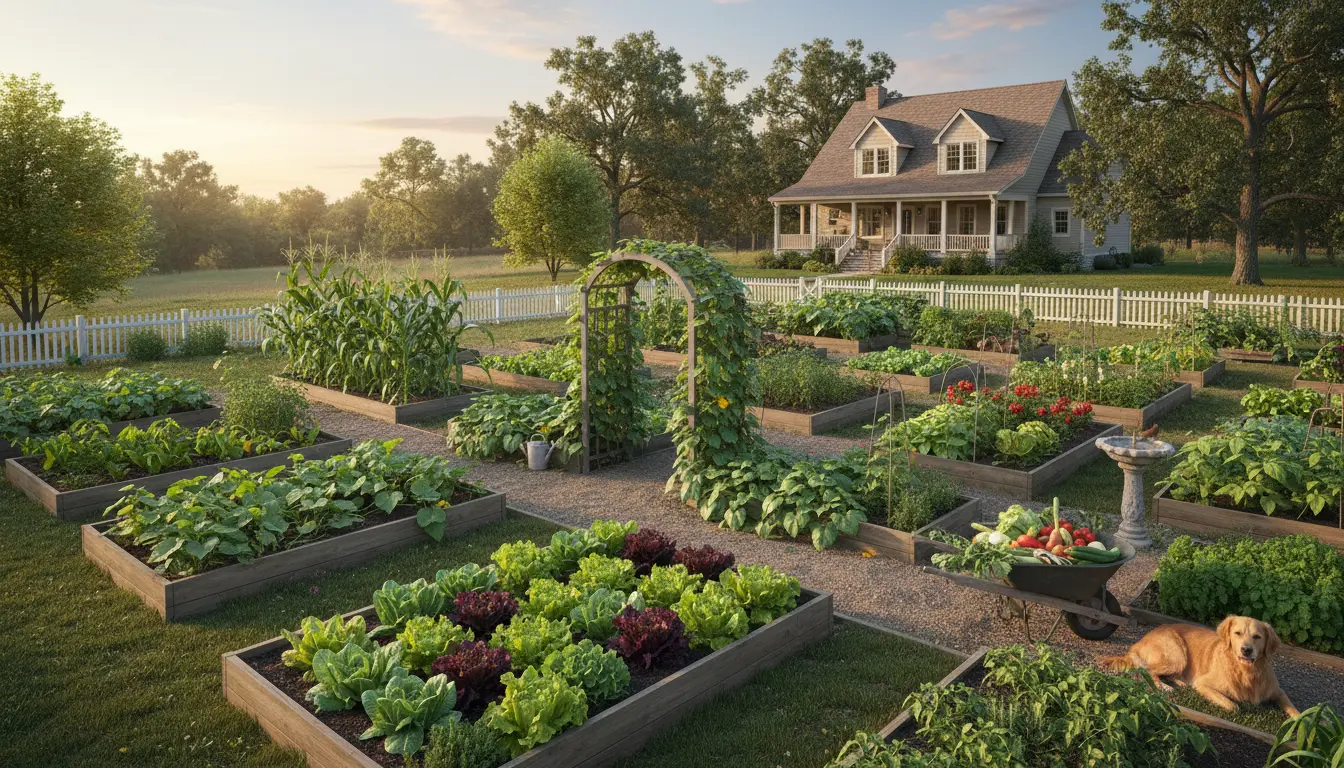
Starting a vegetable garden is a practical way to grow fresh food and learn about plants. This guide gives clear steps you can follow whether you have a backyard, a raised bed, or a few containers.
Why Start a Vegetable Garden
Growing vegetables saves money and gives you fresher produce than store-bought options. It also helps you understand where food comes from and gives a healthy outdoor hobby.
For beginners, a small garden is enough to learn the basics without getting overwhelmed.
Planning to Start a Vegetable Garden
Good planning makes the difference between a struggling garden and a productive one. First, choose a location with enough sun, water access, and good drainage.
Choose the Right Spot
Most vegetables need at least 6 hours of direct sunlight each day. Look for a flat area that drains well and is near a water source.
If you have limited space, consider containers or vertical planters on a balcony or patio.
Select Vegetables That Suit You
Start with easy, reliable crops: tomatoes, lettuce, radishes, green beans, and herbs like basil. Pick varieties labeled “easy” or “beginner friendly.”
Consider your climate and the season. Use local extension service guides or seed packet maturity dates to match plants to your growing window.
Preparing Soil and Beds
Healthy soil is the foundation of a productive garden. Test your soil if possible, or assume it needs organic matter and nutrients added.
How to Prepare the Soil
- Clear weeds and grass from the planting area.
- Till or loosen soil to about 8–12 inches deep for most vegetables.
- Work in 2–4 inches of compost to improve structure and fertility.
- If soil is poor or compacted, build raised beds filled with a mix of topsoil and compost.
Soil Tips
Good soil holds moisture but drains excess water. Avoid planting in soggy spots and improve heavy clay by adding coarse sand and compost.
Planting and Care
Planting at the right time and giving steady care keeps plants productive. Follow seed packet instructions for spacing and depth.
Seed vs. Transplants
Some crops, like carrots and beans, are easier from seed. Tomatoes and peppers often do better from transplants started indoors or bought at a nursery.
Watering and Mulching
Water deeply and less often rather than frequent shallow watering. Aim for consistent soil moisture, especially during flowering and fruiting.
- Mulch with straw, leaves, or wood chips to reduce weeds and conserve moisture.
- Drip irrigation or soaker hoses deliver water efficiently to roots.
Feeding Your Plants
Feed vegetables with a balanced, slow-release fertilizer or regular applications of compost tea. Follow product directions to avoid overfeeding.
Harvesting and Troubleshooting
Harvesting at the right time gives the best flavor and encourages more production. Pick lettuce and herbs frequently to keep them producing.
Common Problems and Solutions
- Pests: Hand-pick insects, use row covers, or apply organic controls like neem oil when needed.
- Diseases: Improve air flow, avoid overhead watering, and rotate crops yearly to reduce disease pressure.
- Poor growth: Check soil fertility and pH; add compost and correct pH if needed.
Planting flowers like marigolds near vegetable rows can reduce some pests naturally. Companion planting can improve pollination and pest control without chemicals.
Small Space and Urban Tips to Start a Vegetable Garden
Even tiny spaces can grow meaningful amounts of food. Use containers, hanging baskets, and vertical supports to multiply your planting area.
- Choose dwarf or patio varieties for containers.
- Use trellises for peas, beans, and cucumbers to save ground space.
- Place pots where they get maximum sun—often a south-facing spot.
Season Extension
Use row covers, cold frames, or clear plastic cloches to extend your season. This helps you start earlier in spring and continue later into fall.
Real-World Example: Urban Balcony Garden Case Study
Maria had a small south-facing balcony and wanted fresh herbs and salad greens. She started with three 12-inch containers and one long planter box.
She chose basil, cherry tomatoes, lettuce, and radishes—plants labeled easy for containers. Maria used a high-quality potting mix with added compost and placed a small trellis for the tomatoes.
By following a weekly watering schedule and harvesting lettuce leaves often, Maria had a steady supply of salad ingredients for months. Her yield covered about 50% of her household’s fresh salad needs during summer.
Simple Seasonal Checklist to Start a Vegetable Garden
- Spring: Plan layout, start seeds indoors, prepare soil, plant cool-season crops.
- Summer: Mulch, water deeply, stake tall plants, harvest regularly.
- Fall: Plant cover crops or add compost, harvest remaining vegetables, tidy beds.
Starting a vegetable garden is about small, consistent steps: choose a site, improve soil, pick easy crops, and give steady care. With practice, you will learn local conditions and increase yield each year.