
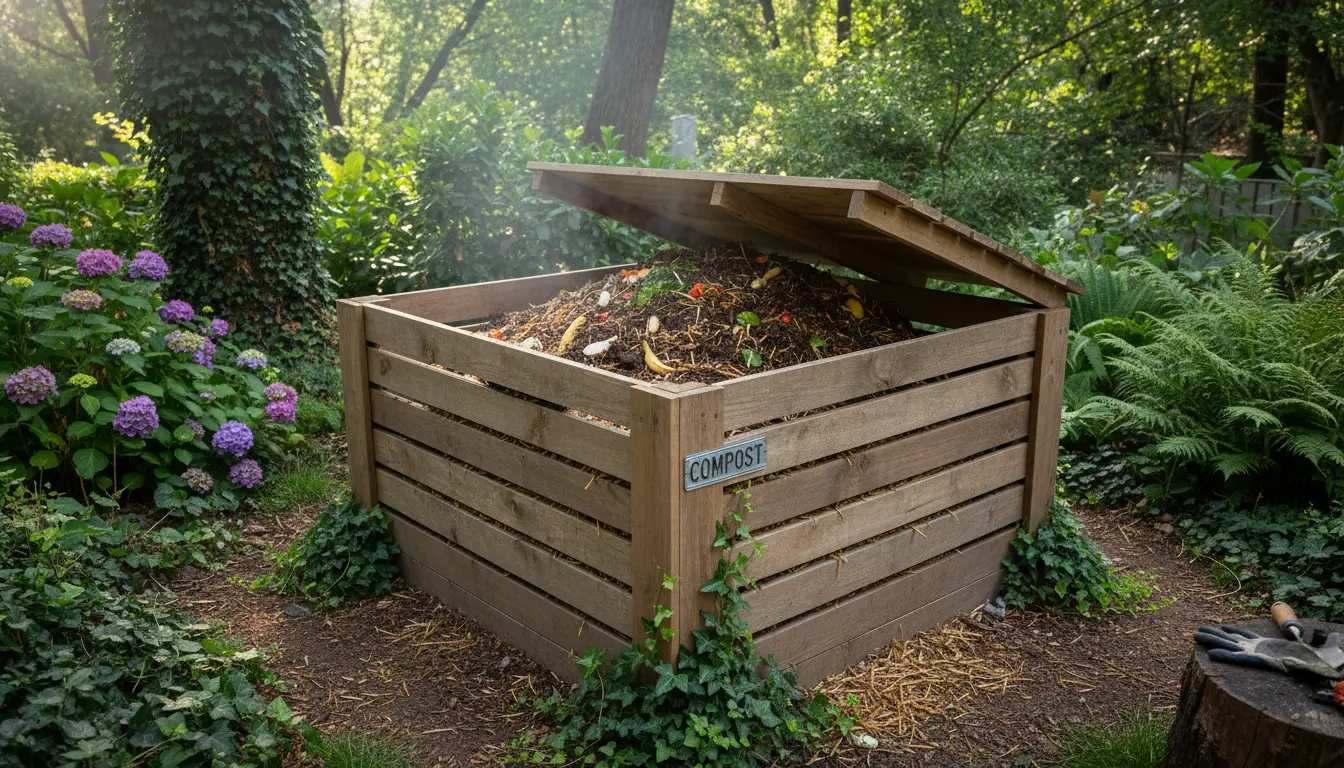
Composting at home turns kitchen scraps and yard waste into rich soil that improves plant health and reduces household waste. This guide walks through simple, actionable steps designed for beginners and small-space households.
Home Composting for Beginners: The Basics
Compost is the result of organic matter breaking down under the right combination of air, moisture, carbon, and nitrogen. For home composting, the goal is to create conditions that encourage beneficial microbes and earthworms to convert waste into stable, nutrient-rich humus.
There are several methods—bin, tumbler, and vermicomposting—each suited to different spaces and timeframes. Choose a method that fits your lifestyle, budget, and the amount of waste you produce.
Common Terms for Home Composting
- Brown materials: high-carbon items like dry leaves, straw, and cardboard.
- Green materials: nitrogen-rich items like vegetable scraps, coffee grounds, and grass clippings.
- Active composting: faster decomposition with regular turning and balanced inputs.
- Vermicomposting: composting using worms, suitable for indoor or balcony setups.
How to Start Home Composting for Beginners
Starting is easier than many expect. Follow these steps to set up a reliable home compost system.
- Pick your method: For yards, use a stationary bin or pile. For patios, consider a tumbler. For apartments, choose a worm bin.
- Choose a container: Use a commercial compost bin, a DIY wooden bin, a plastic tumbler, or a sealable worm bin. Ensure good drainage and airflow.
- Balance greens and browns: Aim for roughly a 2:1 or 3:1 ratio of browns to greens by volume. Add more browns if it smells, more greens if decomposition is slow.
- Maintain moisture: Compost should be as damp as a wrung-out sponge. Water occasionally or cover during heavy rain.
- Turn periodically: For hot composting, turn every 1–2 weeks. For slow compost, turn less often—every 3–6 weeks.
Materials to Include and Avoid
Know what helps and what hinders the process to avoid pests and odors.
- Include: fruit and vegetable scraps, coffee grounds, tea bags (no staples), crushed eggshells, shredded paper, yard trimmings.
- Avoid: meat, dairy, fats, diseased plants, pet waste, and oily foods. These attract pests and slow decomposition.
Troubleshooting for Home Composting for Beginners
New composters often run into a few predictable problems. Troubleshoot with simple adjustments.
Problem: Bad Odors
Cause: Too much nitrogen (greens) or poor aeration. Solution: Add brown materials, turn the pile, and check moisture levels.
Problem: Slow Breakdown
Cause: Not enough nitrogen, too dry, or large pieces. Solution: Add kitchen greens, chop materials into smaller pieces, and moisten the pile.
Problem: Fruit Flies or Pests
Cause: Exposed food scraps or open access. Solution: Bury fresh scraps under a layer of browns, use a closed bin or tumbler, and avoid meat and dairy.
One ton of compost can increase water retention in soil by up to 20 percent, reducing the need for frequent watering and improving crop yields.
Small Real-World Example: A Balcony Worm Bin Case Study
Case study: Sara, an apartment resident, started vermicomposting in a 10-liter worm bin. She fed it daily kitchen scraps and shredded cardboard. After three months she harvested about 6 liters of dark, crumbly compost and a small amount of worm castings.
Benefits she observed included less kitchen waste, improved potted plant growth, and nearly odor-free operation because she maintained bedding moisture and buried food scraps. Her setup required minimal space and cost under $50 to start.
Tips for Success with Home Composting for Beginners
- Chop materials into small pieces to speed decomposition.
- Keep a small bin under the sink for daily scraps and empty it often into the main compost.
- Use a mix of materials rather than only one type.
- Monitor moisture and aeration rather than following strict schedules.
- Use finished compost to top-dress houseplants, mix with potting soil, or add to garden beds.
Home composting is a practical way to reduce waste, save money on soil amendments, and support healthier plants. Start small, learn by doing, and adjust based on what your compost needs.
If you are new to composting, choose one method and commit to it for a season before experimenting. Regular, small improvements yield the best long-term results.