
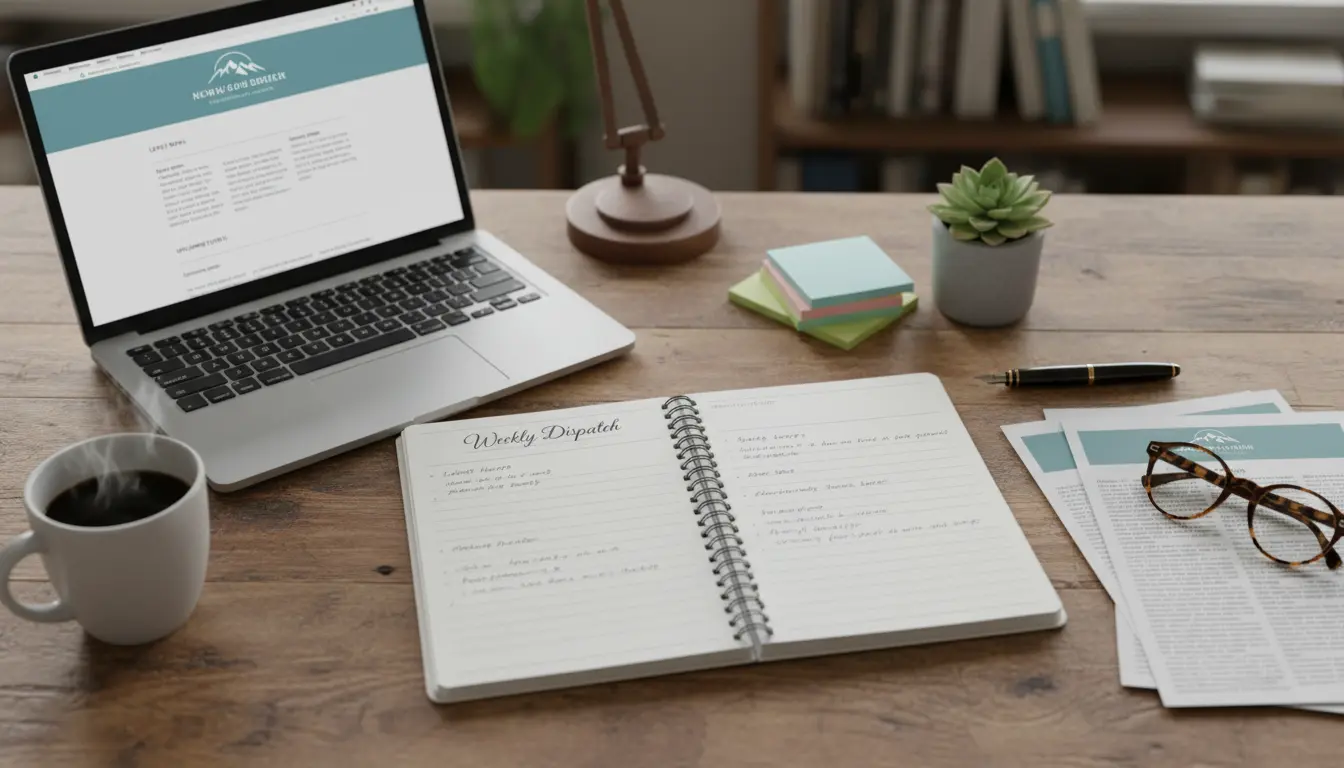
Starting an email newsletter is one of the most reliable ways to build direct relationships with your audience. This guide gives a practical, step-by-step approach you can apply today.
Why start an email newsletter
Email remains one of the highest-return channels for creators and businesses. It gives you a permanent line to readers without relying on changing social algorithms.
Newsletters are useful for driving sales, traffic, loyalty, and thought leadership. They let you control timing, messaging, and list quality.
How to Start an Email Newsletter: Step-by-Step
Follow these core steps to set up a consistent, effective newsletter. Each section includes actions you can complete in a day or two.
Start an Email Newsletter: Choose Your Niche and Audience
Decide who your newsletter serves and what problem it solves. Narrow focus increases signups and retention.
- Identify the primary reader (e.g., freelance designers, small bakery owners, busy parents).
- Define the main benefit: education, deals, updates, or entertainment.
- Write a one-sentence value promise to use on your signup form.
Pick Tools and a Sending Platform
Choose an email service provider (ESP) that fits your needs and budget. Popular options include Mailchimp, ConvertKit, and Sendinblue.
Consider deliverability, automation features, and template options when choosing. Start simple; you can migrate later as you grow.
Build a Signup Form and Lead Magnet
Make it easy to subscribe. Use a short form and place it where readers visit most: homepage, blog posts, and social bios.
Offer a lead magnet to increase conversions: a checklist, short e-book, discount code, or exclusive tips list.
- Keep forms to two fields: email and first name.
- Use a clear CTA like Sign Up or Get Weekly Tips.
Create a Content Plan and Schedule
Decide frequency before you launch: weekly, biweekly, or monthly. Consistency beats quantity, so choose what you can maintain.
Plan content types: original articles, curated resources, case studies, and promotions. Rotate themes to keep readers engaged.
Design Templates and Set Automation
Create a branded template with a clear header, short body, and CTA. Mobile-friendly layouts are essential since many readers check email on phones.
Set up an automated welcome series to onboard new subscribers. A 2–3 email welcome sequence improves long-term engagement.
Grow Your List Ethically
Focus on permission-based growth. Avoid buying lists; purchased emails damage deliverability and engagement.
Effective list growth tactics:
- Content upgrades on blog posts
- Social posts with direct signup links
- Collaborations and guest posts with co-marketing signups
- Lead magnets tied to paid ads on a small scale
Measure Performance and Iterate
Track open rates, click-through rates, and unsubscribe rates to understand what works. Use A/B testing for subject lines and CTAs.
Set monthly goals: increase open rate by X%, reduce unsubscribe rate, or add Y new subscribers. Small, regular improvements compound.
Email marketing returns an average of about $36 for every $1 spent, making it one of the most cost-effective channels for small businesses and creators.
Content Ideas for Your Newsletter
Keep content predictable so readers know what to expect. Consistent sections increase skimmability and trust.
- Tip of the week: short actionable advice
- Case study or customer spotlight
- Resource round-up: tools, articles, or templates
- Exclusive offer or early access
Small Real-World Example
A local bakery started an email newsletter to increase weekday sales. They offered a free baking tips PDF as a lead magnet and sent a weekly newsletter with one recipe, two weekly specials, and a subscriber-only discount.
Within three months they grew to 1,200 subscribers. Weekday foot traffic rose 12% and weekly coupon redemptions covered the cost of their initial email setup. The newsletter also generated repeat customers who mentioned early-access discounts.
Common Mistakes to Avoid When You Start an Email Newsletter
Avoid over-emailing or sending only promotional content. Balance value with offers to keep trust high.
Other mistakes include neglecting subject line testing, ignoring mobile design, and failing to maintain a regular schedule.
Next Steps: Launch Checklist
- Define audience and value promise.
- Choose an ESP and set up a domain-verified sender.
- Create a signup form and lead magnet.
- Design a template and write a welcome series.
- Publish the form, promote it, and start tracking metrics.
By following these steps you can start an email newsletter that grows predictably and serves your goals. Start small, measure what matters, and refine your content based on reader behavior.