
Why Choose a Small Vegetable Garden
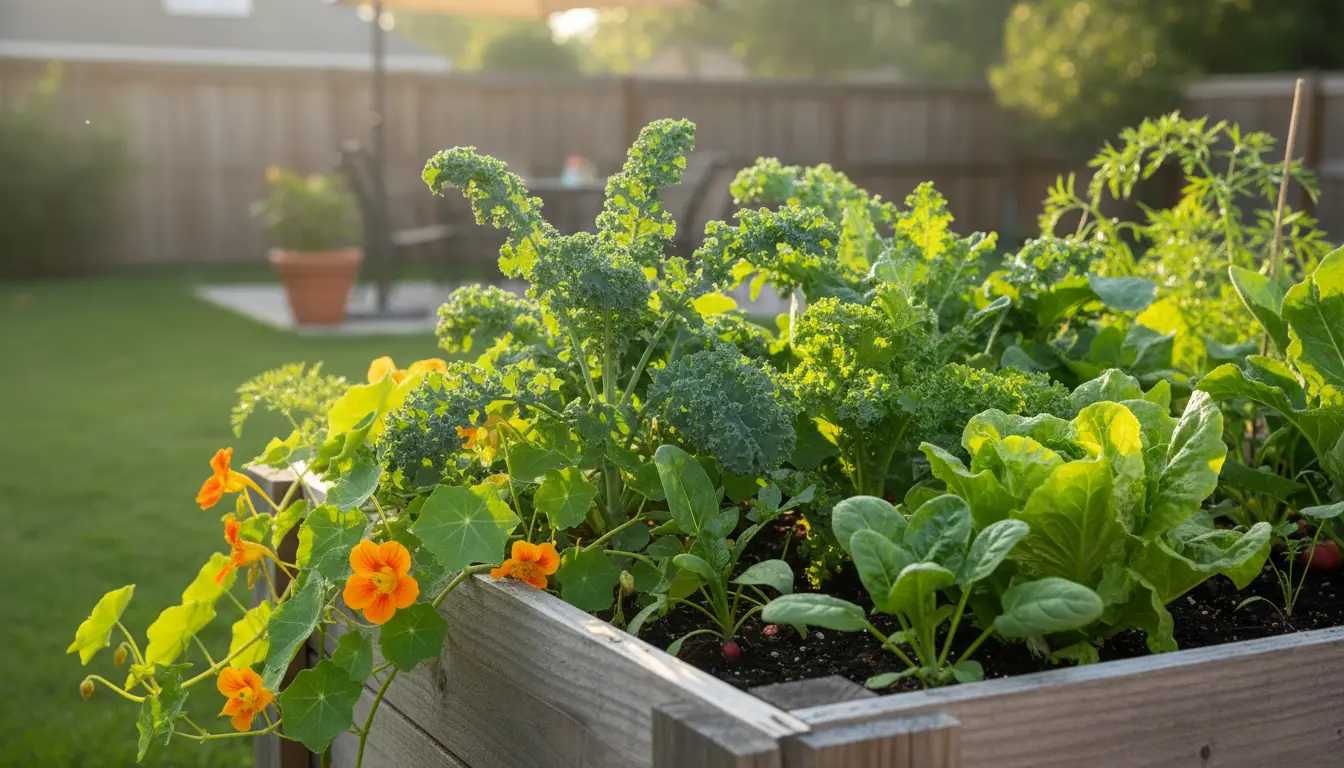
Starting a small vegetable garden is efficient and rewarding for beginners and busy homeowners. It saves money, improves food quality, and can fit on a balcony, patio, or small backyard.
A compact garden reduces maintenance and makes planning easier. You can grow high-yield, fast-maturing crops and enjoy fresh produce year-round.
Planning Your Small Vegetable Garden
Good planning saves time and reduces mistakes. Begin by assessing space, sunlight, and water access before buying supplies.
Decide between containers, raised beds, or in-ground planting based on your soil and mobility needs.
Choosing Location for a Small Vegetable Garden
Locate your garden where it receives at least 6 hours of sunlight daily. Morning sun and afternoon shade can work for some crops.
Place beds near a water source and on level ground to simplify irrigation and harvesting. Consider wind protection and ease of access.
Selecting a Layout for a Small Vegetable Garden
Use compact layouts like square-foot gardening or intensive row planting. These methods maximize yield in limited space.
- Square-foot garden: divides beds into one-foot squares for efficient planting.
- Vertical gardening: uses trellises or cages for peas, beans, and cucumbers.
- Container clusters: groups of pots on patios for tomatoes and herbs.
Soil and Fertility for a Small Vegetable Garden
Soil quality is the most important factor for a productive garden. Test soil pH and texture before planting.
Most vegetables prefer slightly acidic to neutral soil (pH 6.0–7.0). Amend with organic matter to improve drainage and fertility.
Improving Soil in a Small Vegetable Garden
Add compost, well-rotted manure, or coconut coir to increase nutrients and water retention. Mix amendments into the top 6–8 inches of soil.
For raised beds, use a blend of topsoil, compost, and coarse sand or perlite for structure and fertility.
What to Plant in a Small Vegetable Garden
Choose crops that fit your space, climate, and diet. Prioritize high-value, space-efficient vegetables.
Good options for small gardens include lettuce, spinach, radishes, bush beans, cherry tomatoes, peppers, and herbs.
Planting Schedule and Succession Planting
Plan for continuous harvests by using succession planting. Sow fast crops every 2–3 weeks to maintain supply.
Stagger plantings of cool-season crops (lettuce, spinach) and warm-season crops (tomatoes, peppers) to extend yields.
Irrigation and Watering Tips for a Small Vegetable Garden
Consistent moisture is critical for healthy vegetables. Water deeply and less frequently to encourage deep roots.
Drip irrigation or soaker hoses reduce waste and keep foliage dry, lowering disease risk.
Watering Schedule
Early morning watering is best to reduce evaporation and give plants moisture for the day. Adjust frequency with weather and soil type.
Mulch with straw, leaves, or wood chips to retain moisture and suppress weeds in your small vegetable garden.
Managing Pests and Diseases in a Small Vegetable Garden
Healthy plants resist pests and diseases better than stressed ones. Start with clean tools and quality seed or transplants.
Use integrated pest management: monitor, identify, and act only when necessary to limit chemical use.
- Hand-pick large pests like slugs and caterpillars.
- Use row covers for early protection against insects and birds.
- Encourage beneficial insects with flowers like marigolds and alyssum.
Companion planting pairs like basil with tomatoes can improve tomato flavor and reduce pests. Many herbs and flowers attract pollinators for better yields.
Maintenance Tasks for a Small Vegetable Garden
Keep a simple weekly routine: check for pests, water as needed, and harvest ripe produce. Frequent light work prevents bigger problems.
Rotate crops annually to reduce disease buildup and preserve soil health in a small vegetable garden.
Seasonal Checklist
- Spring: prepare beds, amend soil, start cool-season crops.
- Summer: water regularly, stake vining crops, harvest early and often.
- Fall: plant cover crops, remove spent plants, add compost.
Real-World Example: A Small Vegetable Garden Case Study
Case Study: Emily converted a 4×8-foot corner of her backyard into two raised beds. She used a soil mix of 50% compost and 50% loamy topsoil.
Emily planted cherry tomatoes, bush beans, lettuce, and basil. By using vertical trellises and succession planting, she harvested fresh salad greens all summer and doubled her tomato yield compared with containers.
Her time commitment averaged 30 minutes twice a week for watering, harvesting, and quick pest checks. The compact layout made maintenance fast and productive.
Quick Start Checklist for Your Small Vegetable Garden
- Choose a sunny site with water access.
- Decide on raised beds, containers, or in-ground plots.
- Improve soil with compost and test pH.
- Select compact, high-yield crops for your climate.
- Install simple irrigation and mulch to save time.
- Monitor and practice gentle pest control methods.
Final Tips for a Successful Small Vegetable Garden
Start small, learn quickly, and expand when you gain confidence. Small gardens are forgiving and perfect for trial and error.
Keep records of what worked each season and adjust plant varieties, spacing, and watering accordingly. Consistent care will reward you with fresh produce and gardening satisfaction.