
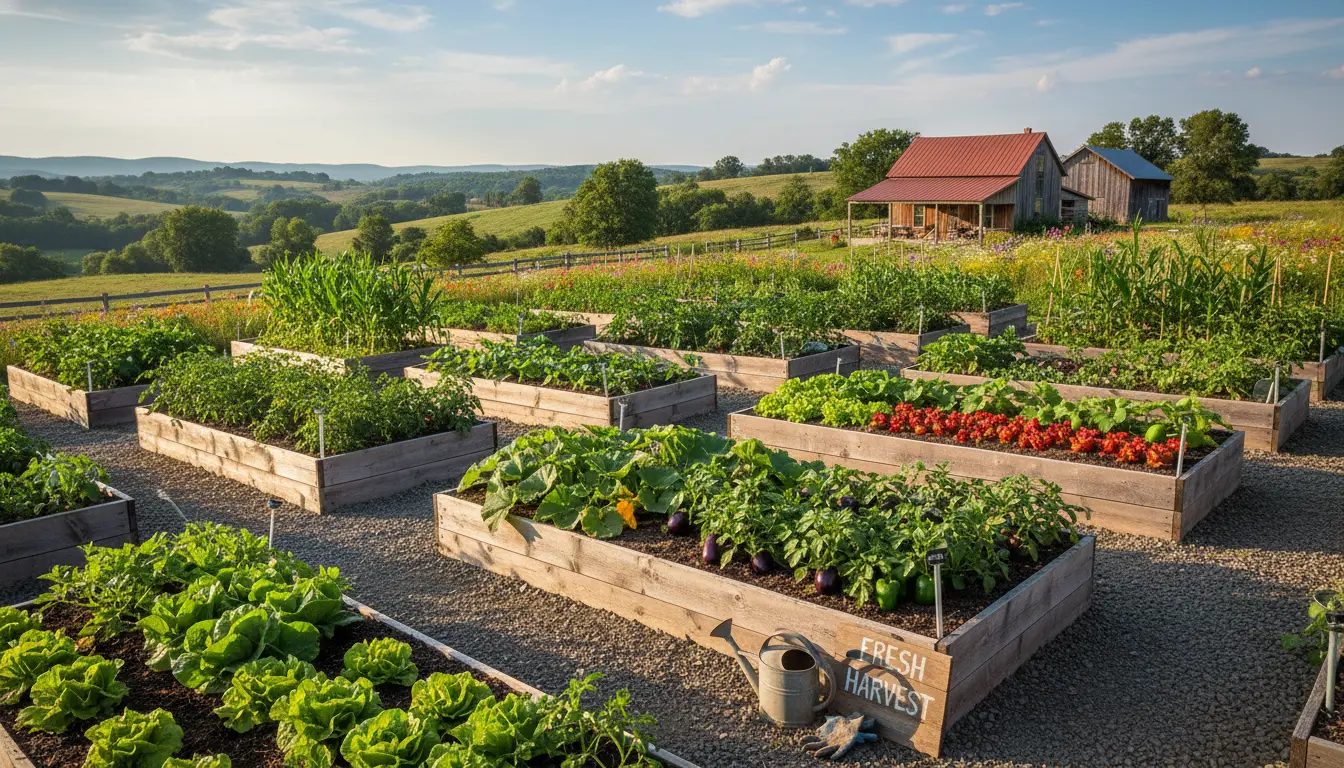
Starting a Vegetable Garden: A Step-by-Step Overview
Starting a vegetable garden can be simple and rewarding with a clear plan. This guide gives practical, instructional steps for beginners to plant and maintain a productive garden.
Follow these steps in order and adapt them to your climate and space. Short, manageable tasks each week help you avoid overwhelm and get steady results.
Starting a Vegetable Garden: Choose Location and Layout
Pick a spot with at least 6 to 8 hours of direct sunlight per day for most vegetables. Good sunlight is the single biggest factor for consistent production.
Consider proximity to water and convenience. A garden near your kitchen encourages frequent care and harvesting.
Layout options when Starting a Vegetable Garden
- In-ground rows for large spaces.
- Raised beds for better soil control and drainage.
- Container gardening for balconies or patios.
Starting a Vegetable Garden: Prepare Soil and Beds
Healthy soil creates healthy plants. Test your soil pH and texture before planting so you can amend effectively.
Add organic matter such as compost or well-rotted manure to improve fertility and structure. Aim for a loamy, well-draining mix.
Basic soil preparation checklist
- Clear weeds and debris from the chosen area.
- Loosen soil to 8 to 12 inches for in-ground beds.
- Mix in 2 to 4 inches of compost for raised beds or poor soil.
- Mulch paths to reduce weeds and conserve moisture.
Starting a Vegetable Garden: Choose Vegetables and Timing
Select vegetables that match your climate and season. Beginners should start with easy, forgiving crops.
Common beginner choices include tomatoes, lettuce, radishes, beans, and zucchini. These crops give quick wins and help build experience.
Planting timing tips
- Check your local frost dates and planting calendar.
- Start cool-season crops in early spring or fall.
- Plant warm-season crops after the last frost when soil has warmed.
- Use seedlings for plants with longer seasons, like tomatoes.
Starting a Vegetable Garden: Planting and Spacing
Follow seed packet or plant tag spacing guidelines to avoid crowding. Proper spacing reduces disease and competition for nutrients.
Plant at the recommended depth and water lightly after planting to settle soil around roots.
Simple planting example
- Radishes: sow every 1 inch, thin to 2 inches.
- Lettuce: sow or transplant 6 to 12 inches apart depending on variety.
- Tomatoes: space 24 to 36 inches apart; bury part of the stem for stronger roots.
Starting a Vegetable Garden: Watering and Maintenance
Consistent watering is key. Aim for deep, infrequent watering rather than shallow daily watering.
Mulch around plants to keep soil moist, suppress weeds, and moderate soil temperature.
Weekly maintenance checklist
- Inspect plants for pests and disease signs.
- Weed beds to reduce competition.
- Water deeply once or twice weekly depending on weather.
- Harvest regularly to encourage continued production.
Starting a Vegetable Garden: Pest and Disease Basics
Use integrated pest management: monitor, identify, and use targeted control. Encourage beneficial insects by planting flowers and providing habitat.
Rotate crops yearly to reduce soil-borne diseases and avoid planting the same family in the same spot two seasons running.
Low-chemical control options
- Hand-pick larger pests like caterpillars.
- Use row covers to protect seedlings from insects.
- Apply neem oil or insecticidal soap for soft-bodied pests.
Real-World Example: Case Study of a Small Backyard Bed
Anna had a 10 by 4 foot raised bed and no prior experience. She chose tomatoes, lettuce, bush beans, and radishes for a mix of quick and longer-season crops.
She prepared the bed with compost, followed a local planting calendar, and mulched heavily. After three months she harvested continuous salad greens and a first tomato crop.
Key results: low pest damage, steady harvests, and improved soil structure by season end. Anna expanded by adding two containers the next season.
Starting a Vegetable Garden: Seasonal Care and Harvesting
Keep a simple journal of planting dates, varieties, and harvest yields. Notes help you refine timing and varieties each year.
Harvest at the right maturity for best flavor and to encourage more production. Store excess harvest by freezing or preserving when possible.
Quick preservation tips
- Blanch and freeze surplus beans and peas.
- Dry herbs or make pesto for long-term use.
- Share excess with neighbors to reduce waste and build community.
Final Tips for Starting a Vegetable Garden
Start small and expand once you have a routine. Success is measured in steady improvement, not perfection.
Use reliable local resources like extension services or community gardens for climate-specific advice. Keep learning and adjusting season to season.
With careful site choice, basic soil prep, and consistent care, starting a vegetable garden is a realistic project for most homes. Begin with a single raised bed or a set of containers and build confidence with quick crops.