
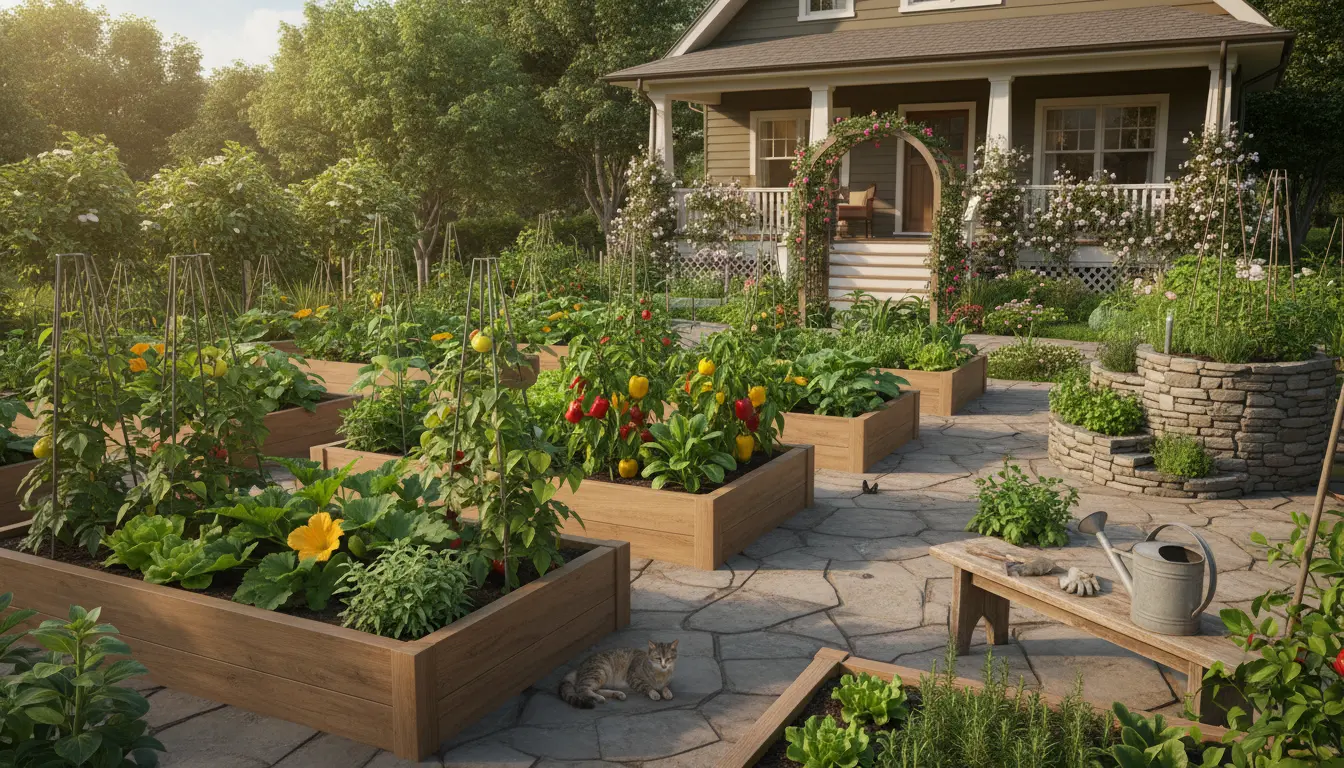
Planning to Start a Vegetable Garden
Starting a vegetable garden begins with simple planning. Decide what you want to grow and where you will place the garden before buying seeds or soil.
Consider space, sun exposure, and how much time you can invest each week. These choices determine whether you use containers, raised beds, or in-ground rows.
Pick the Right Location to Start a Vegetable Garden
Vegetables prefer at least six hours of direct sun daily. Choose a spot with good drainage and easy access to water.
Avoid low spots that collect cold air or places shaded by trees. Proper location reduces pest pressure and increases yields.
Decide on Garden Type
Choose from containers, raised beds, or traditional rows based on your space and soil quality. Containers are best for balconies and small patios.
Raised beds warm faster and drain well, which helps in cooler climates. In-ground beds are cost-effective but need good native soil.
Soil and Preparation When You Start a Vegetable Garden
Healthy soil is the foundation of a productive garden. Test your soil (pH and basic nutrients) to guide amendments.
Add organic matter like compost to improve structure, drainage, and fertility. Mix compost into the top 6–12 inches of soil for raised beds.
Soil Checklist
- Test pH: ideal range 6.0–7.0 for most vegetables.
- Add compost: 2–4 inches worked into soil.
- Consider mulch: helps retain moisture and suppress weeds.
Choosing Plants and Seeds
Start with vegetables that are easy to grow and match your growing season. Tomatoes, peppers, lettuce, radishes, and green beans suit many beginners.
Buy seeds or young plants from reputable suppliers. Read seed packets for days to maturity and spacing needs.
Planting Tips to Start a Vegetable Garden
- Follow spacing instructions to avoid crowding.
- Plant deeper for crops like tomatoes to encourage strong roots.
- Stagger planting (succession sowing) for continuous harvests.
Watering and Feeding Your Garden
Consistent watering is critical. Early morning is the best time to water, reducing disease risk and water loss to evaporation.
Use a soaker hose or drip irrigation for efficient water delivery. Aim for deep, infrequent watering rather than light, frequent sprays.
Fertilizing Essentials
Use a balanced organic fertilizer or compost tea during active growth. Avoid over-fertilizing, which can produce foliage at the expense of fruits.
Slow-release granular fertilizers or regular compost additions provide steady nutrients throughout the season.
Pest and Disease Basics When You Start a Vegetable Garden
Use integrated pest management (IPM) to minimize damage. Hand-pick pests, use row covers, and introduce beneficial insects when possible.
Rotate crops yearly to reduce disease buildup. Remove infected plants promptly and dispose of them away from the garden.
Common Practical Controls
- Row covers: protect young plants from insects and birds.
- Neem oil or insecticidal soap: target soft-bodied pests.
- Trap crops: draw pests away from main vegetables.
Planting marigolds next to tomatoes can reduce some soil nematodes and attract beneficial insects. Companion planting helps naturally manage pests.
Maintenance and Harvesting
Regular maintenance keeps a garden productive. Weed weekly, check for pests, and prune where necessary to improve airflow.
Harvest vegetables at peak ripeness for best flavor. Frequent harvesting encourages more production in many crops, like beans and zucchinis.
Storage and Preservation
Store leafy greens in the fridge and root crops in a cool, dark place. Consider canning, pickling, or freezing excess produce to avoid waste.
Small Real-World Case Study
Case: Sarah, a beginner in a small city backyard, used two 4×8-foot raised beds to start a vegetable garden. She tested soil, added compost, and planted tomatoes, lettuce, and bush beans.
After following a simple watering schedule and using row covers early in the season, she harvested lettuce within six weeks and tomatoes by mid-summer. The raised beds improved drainage and limited weeds, producing enough vegetables for her family.
Quick Start Checklist to Start a Vegetable Garden
- Choose a sunny location with easy water access.
- Select containers or raised beds if space or soil is poor.
- Test soil and add compost to improve fertility.
- Pick easy crops and follow seed/planting instructions.
- Water deeply and consistently; use mulch to retain moisture.
- Use IPM for pests and rotate crops annually.
Starting a vegetable garden is manageable with basic planning and routine care. Begin small, learn from each season, and expand as your confidence and harvests grow.