
What Is Local SEO for Small Businesses?
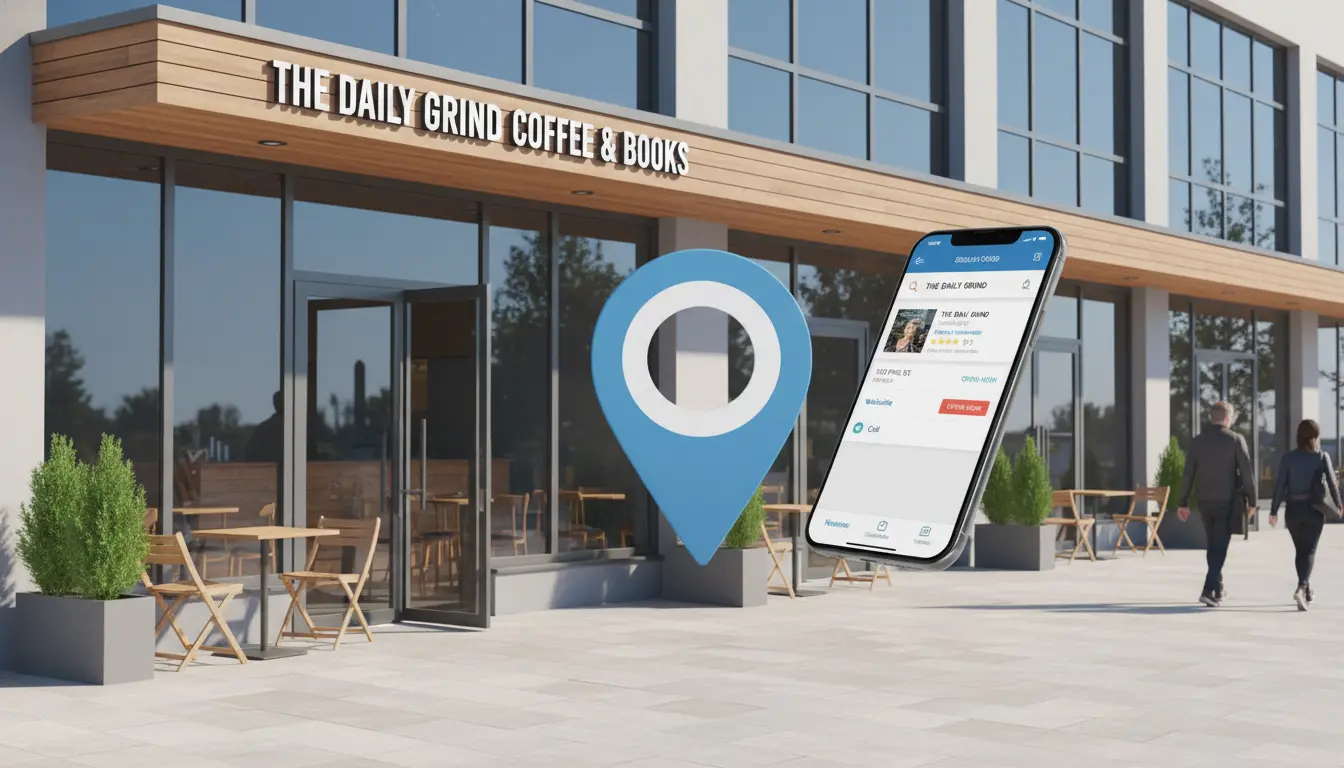
Local SEO for small businesses focuses on improving a business’s visibility in local search results. It helps local customers find your store, services, and contact details when they search on Google, Maps, or mobile devices.
Unlike broad SEO, local SEO emphasizes geographic relevance, review signals, and consistent business data. These elements drive foot traffic and phone calls from nearby prospects.
Why Local SEO for Small Businesses Matters
Most consumers search for local businesses on mobile devices and expect immediate results. If your business does not appear in local search or on Google Maps, you lose potential sales to competitors.
Local SEO improves discoverability, increases website visits, and converts search intent into in-store visits or calls. It’s a low-cost way to compete with larger brands in your area.
Core Components of Local SEO for Small Businesses
Focus on these core areas to build a reliable local presence:
- Google Business Profile — Accurate, verified listing with hours and services.
- Local Keywords — Terms that include city or neighborhood names.
- Citations — Consistent name, address, and phone (NAP) across directories.
- Online Reviews — Quantity, recency, and responses matter.
- On-Page SEO — Schema markup, localized content, and mobile speed.
Set Up and Optimize Your Google Business Profile
Claim and verify your Google Business Profile first. This listing appears in Google Search and Maps and affects local pack rankings.
Complete every field: business category, hours, services, photos, and attributes. Use a clear, searchable business description with local keywords.
Conduct Local Keyword Research
Find terms your customers use. Combine service keywords with locations, for example: “plumber in Brookline” or “Brookline emergency plumber.”
Use tools like Google Autocomplete, Google Keyword Planner, and local intent filters in other SEO tools. Prioritize terms with clear buying intent.
Maintain Consistent Citations for Local SEO for Small Businesses
Ensure your NAP (name, address, phone) is identical across your website, Google Business Profile, and third-party directories. Minor differences confuse search engines and users.
Submit to reputable directories: Yelp, Bing Places, local chambers, and industry-specific sites. Remove or unify duplicate listings.
Encourage and Manage Online Reviews
Reviews are a strong local ranking factor. Ask satisfied customers to leave a review and make the process easy with a direct review link.
Respond professionally to all reviews, positive or negative. Responses show engagement and can influence local trust signals.
On-Page and Technical Local SEO for Small Businesses
Local-focused pages improve relevance. Create separate pages for each service area when applicable and include localized headings and content.
Implement schema markup (LocalBusiness schema) to give search engines structured information about your address, hours, and contact data.
Mobile Speed and User Experience
Most local searches happen on mobile. Improve page load times, use a responsive design, and make calls-to-action clear for mobile visitors.
Simple contact buttons and click-to-call functionality increase conversions from local search results.
Tracking and Measuring Local SEO for Small Businesses
Monitor metrics specific to local performance: Google Business Profile views, map searches, local keyword rankings, website traffic from local queries, and phone calls.
Use Google Analytics, Search Console, and the insights panel in your Google Business Profile to track trends and adjust strategy.
Actionable Local SEO Checklist
- Claim and verify Google Business Profile.
- Complete all profile fields with local keywords.
- Ensure consistent NAP across website and directories.
- Create localized service pages with schema markup.
- Encourage and respond to customer reviews.
- Improve mobile speed and add click-to-call buttons.
- Track local rankings, profile insights, and calls.
Businesses with complete Google Business Profiles are twice as likely to be considered reputable by consumers. Adding accurate photos and services can boost search visibility and clicks.
Real-World Example: Local Bakery Case Study
A neighborhood bakery improved its local visibility within three months by following a focused local SEO plan. Their actions were simple and repeatable.
- Verified and completed their Google Business Profile with daily hours and product photos.
- Added a “Bakery in [City]” service page with schema and fresh content on daily specials.
- Collected reviews by adding a short review link in receipts and responding to customer feedback.
Results: 40% increase in map views, a 25% rise in phone orders, and a steady flow of first-time walk-in customers. The bakery prioritized local relevance and fast mobile pages.
Common Local SEO Mistakes to Avoid
- Inconsistent NAP across sites or using multiple phone numbers without reason.
- Ignoring reviews or failing to respond professionally.
- Creating thin or duplicate location pages rather than unique local content.
- Relying solely on directories without optimizing the website or Google Business Profile.
Final Steps for Long-Term Local SEO Success
Make local SEO an ongoing effort. Regularly update your Google Business Profile, post local content, and encourage fresh reviews.
Review your metrics monthly and adapt actions based on what generates calls and visits. Small consistent improvements drive meaningful local growth.