
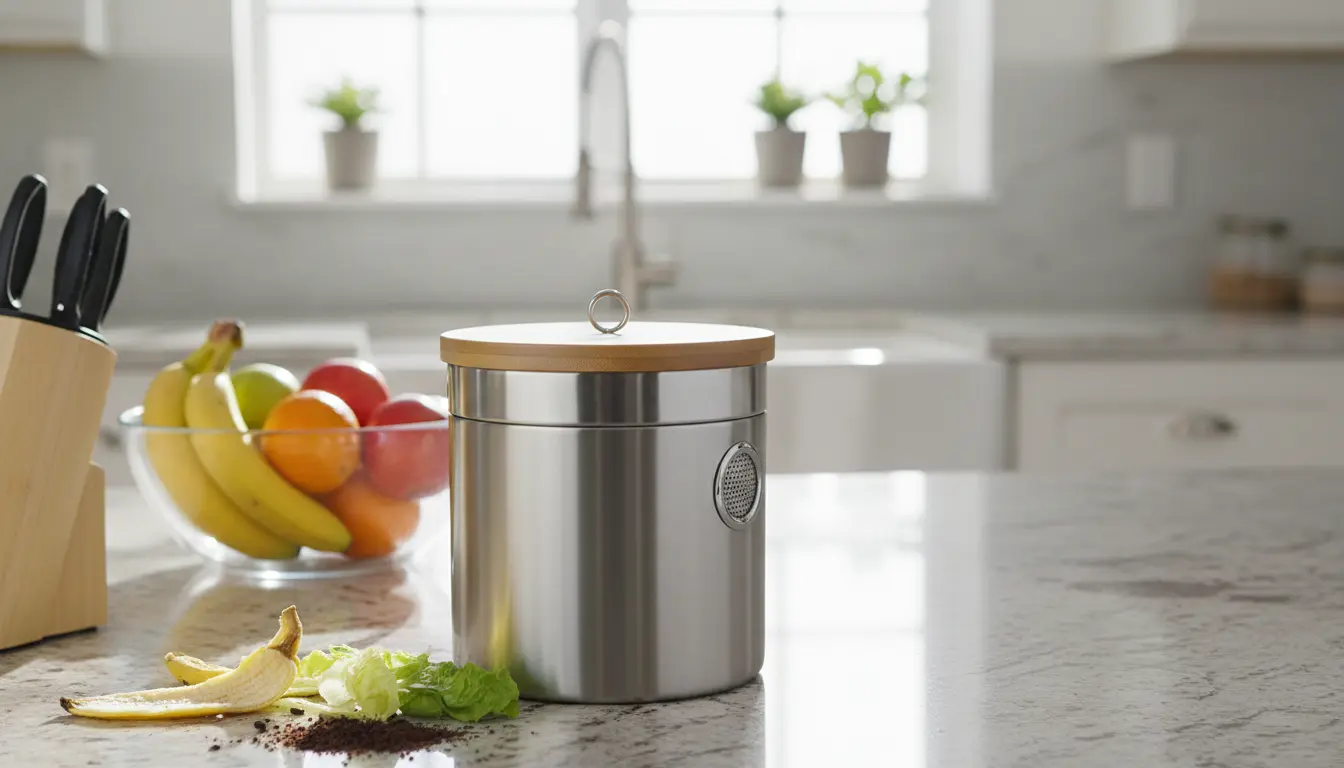
Why Home Composting Matters
Home composting reduces food waste and returns nutrients to soil. It lowers household trash volume and supports gardens and indoor plants.
Composting is simple once you understand the basic inputs, balance, and maintenance. This guide gives practical steps to start and maintain home composting.
Home Composting Basics
Composting breaks down organic material through microbes and invertebrates. The process yields dark, crumbly compost useful as a soil amendment.
You can compost in a backyard bin, a tumbler, a worm bin, or a sealed bokashi bucket. Choose the method that fits space, time, and the type of waste you produce.
Materials for Home Composting
Successful composting needs a mix of carbon and nitrogen materials. Carbon-rich items are dry and brown, while nitrogen-rich items are moist and green.
- Carbon (browns): dry leaves, shredded paper, cardboard, sawdust
- Nitrogen (greens): fruit and vegetable scraps, coffee grounds, fresh grass clippings
- Avoid: meat, dairy, oily foods, pet waste, diseased plant material
Home Composting Methods
Pick a method based on space and effort. Each approach works but they differ in speed and control.
- Cold pile: Low maintenance, slow decomposition, good for yards.
- Hot composting: Regular turning, reaches higher temperatures, faster results.
- Worm composting (vermicomposting): Uses worms in a bin, ideal for small spaces and kitchens.
- Bokashi: Anaerobic fermentation in a sealed bucket, works with small amounts of meat and dairy when used correctly.
How to Start Home Composting
Starting is about location, container, and materials. Follow these simple steps to set up a reliable system.
Step-by-Step Setup for Home Composting
- Choose a spot: outdoors on soil or a dry indoor shelf for worm bins.
- Select a container: open bin, tumbler, or worm tray depending on method.
- Gather materials: collect browns and greens in separate containers.
- Layer: start with coarse browns, add greens, and cover with browns to reduce odor.
- Maintain: turn or aerate weekly for hot compost; feed worms and manage moisture in vermicompost.
Keep moisture like a wrung-out sponge. If too dry, add water and green scraps. If too wet, add dry browns and increase airflow.
Troubleshooting Home Composting
Many common problems have simple fixes. Addressing balance and airflow solves most issues.
Common Issues and Fixes
- Smell: Add more browns and turn the pile. Avoid meat and dairy.
- Pests: Use a closed bin or secure lid and bury food scraps under browns.
- Slow breakdown: Chop scraps smaller and ensure enough nitrogen or moisture.
- Too dry: Add water and green materials. Cover exposed piles to retain moisture.
Adding a handful of garden soil to a new compost pile introduces beneficial microbes and speeds decomposition.
Maintenance Tips for Home Composting
Regular, small actions keep compost healthy. A weekly check is usually enough for most systems.
- Turn or aerate: once a week for hot piles; less often for cold piles.
- Monitor temperature: 55–65°C (131–149°F) indicates active hot composting.
- Feed consistently: avoid long gaps of only browns or only greens.
- Use finished compost: it should smell earthy and be dark and crumbly.
Real-World Example: Small Apartment Home Composting Case Study
Maria lives in a two-bedroom apartment and began worm composting six months ago. She had limited space and wanted to reduce kitchen waste.
She used a stacked plastic worm bin under the sink and collected scraps in a small countertop pail. She added cardboard and shredded paper as browns.
Results: After three months, Maria produced enough vermicompost to repot several houseplants and reduced her trash by about 30%. She reports minimal odor and easy maintenance.
Using Finished Home Composting Products
Finished compost improves soil structure, water retention, and nutrient content. Use it as a top dressing, potting mix component, or garden amendment.
Apply finished compost at planting time or mix 10–30% compost into potting soil for container plants.
Quick Checklist for Starting Home Composting
- Decide on a method: cold pile, hot compost, worm bin, or bokashi.
- Gather a bin or container that fits your space.
- Collect a steady mix of browns and greens.
- Monitor moisture and airflow weekly.
- Harvest and use compost when dark and crumbly.
Home composting is practical and adaptable. With simple steps and basic care, you can convert household organic waste into a valuable resource.