
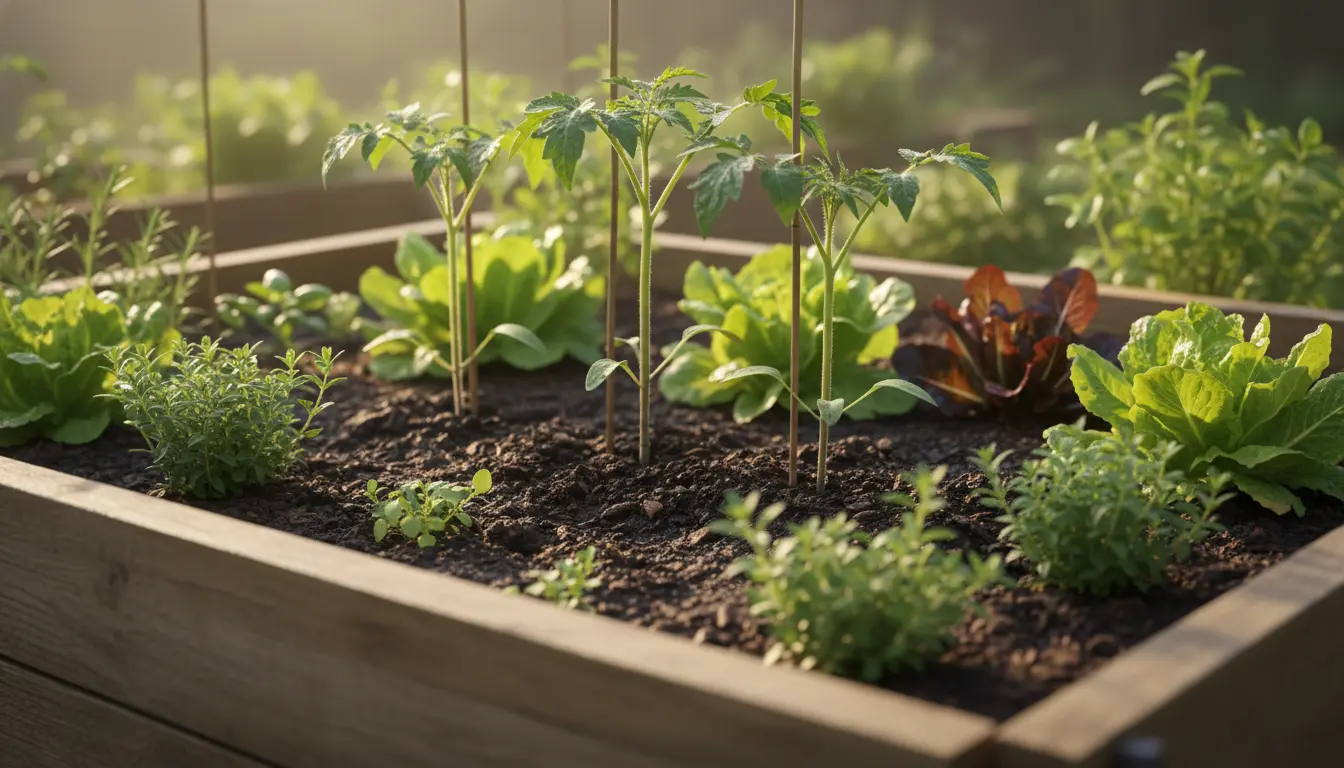
Why Start a Vegetable Garden
Growing your own vegetables saves money and gives you fresher, tastier food. It also lets you control soil and pest practices for healthier produce.
How to Start a Vegetable Garden: Plan Before You Dig
Good planning reduces wasted effort and improves yields. Decide what to grow based on space, climate, and how much time you can commit.
Choose Your Garden Type
Pick one of these common formats: in-ground beds, raised beds, or container gardening. Each has pros and cons depending on soil quality and available space.
- In-ground beds: Lower cost, relies on existing soil.
- Raised beds: Better drainage and soil control, easier on the back.
- Containers: Great for patios and balconies, portable and space-efficient.
Select a Location for Your Vegetable Garden
Most vegetables need 6 to 8 hours of direct sunlight daily. Observe sun patterns for a week to pick the sunniest, sheltered spot.
Soil and Preparation to Start a Vegetable Garden
Healthy soil is the foundation of a productive garden. Test soil pH and texture to know what amendments are needed.
Simple Soil Tests and Fixes
Use a home soil test kit or send a sample to a local extension office for detailed results. Add compost to improve texture and fertility.
- If soil is heavy clay: add coarse sand and compost for better drainage.
- If soil is too sandy: add compost and organic matter to retain moisture.
- Ideal pH: most vegetables prefer pH 6.0 to 7.0.
What to Plant First When You Start a Vegetable Garden
Begin with easy, high-reward crops to build confidence and skills. Choose plants that match your climate and season.
Beginner-Friendly Vegetables
Try these reliable choices for your first season. They grow quickly and tolerate variable care.
- Lettuce and salad greens — fast and harvestable multiple times.
- Radishes — mature in as little as 25 days.
- Tomatoes (determinate types) — great for containers or small raised beds.
- Green beans — prolific and simple to maintain.
- Zucchini — heavy producers with minimal attention.
Planting Schedules and Spacing
Follow seed packet or plant tag instructions for planting depth and spacing. Proper spacing reduces disease and improves airflow.
Succession Planting
Stagger plantings every 2 to 3 weeks for continuous harvest. This works well with lettuce, radishes, and carrots.
Watering and Fertilizing Your Vegetable Garden
Consistent moisture is crucial, especially during germination and fruiting. Most vegetables need about 1 inch of water per week, delivered deeply.
Practical Watering Tips
Water at the base of plants to keep foliage dry and reduce disease. Use soaker hoses or drip irrigation to conserve water and deliver even moisture.
- Early morning watering reduces evaporation and fungal risks.
- Mulch with straw or shredded leaves to retain soil moisture and suppress weeds.
Pest and Disease Management When You Start a Vegetable Garden
Watch plants regularly and remove affected leaves early to limit spread. Use cultural controls first, like crop rotation and resistant varieties.
Low-Toxic Options
Try handpicking slug and caterpillars, or use insecticidal soap for soft-bodied pests. Encourage beneficial insects with flowers such as marigolds and alyssum.
Maintenance Checklist for New Gardeners
Keep your garden productive with a few simple habits. Weekly attention prevents small problems from becoming major setbacks.
- Weed weekly to reduce competition for nutrients.
- Monitor soil moisture and adjust watering as weather changes.
- Harvest frequently to encourage more production.
Did You Know? A 100 square foot vegetable garden can produce enough food for one person for most of the growing season if planted efficiently.
Small Real World Case Study
A neighborhood volunteer converted two 4×8 raised beds into a vegetable garden in spring. They planted tomatoes, lettuce, and beans and used compost from a local community program.
By late summer, the garden yielded over 60 pounds of vegetables, enough to supply fresh produce for two families and donations to a food pantry. Simple soil preparation and regular watering produced reliable results.
Quick Troubleshooting Guide
Leaf yellowing often signals nutrient deficiency or overwatering. Check soil moisture and add balanced compost or a light organic fertilizer.
Poor flowering on tomatoes may mean inconsistent watering or insufficient sunlight. Ensure at least six hours of sun and steady moisture during fruit set.
Final Tips to Keep Growing
Start small and expand in the second season after you learn what works in your yard. Keep simple records of planting dates, varieties, and yields to improve planning.
Gardening teaches patience and rewards consistent care. With basic planning and a few reliable techniques, anyone can start a vegetable garden and enjoy fresh homegrown produce.