
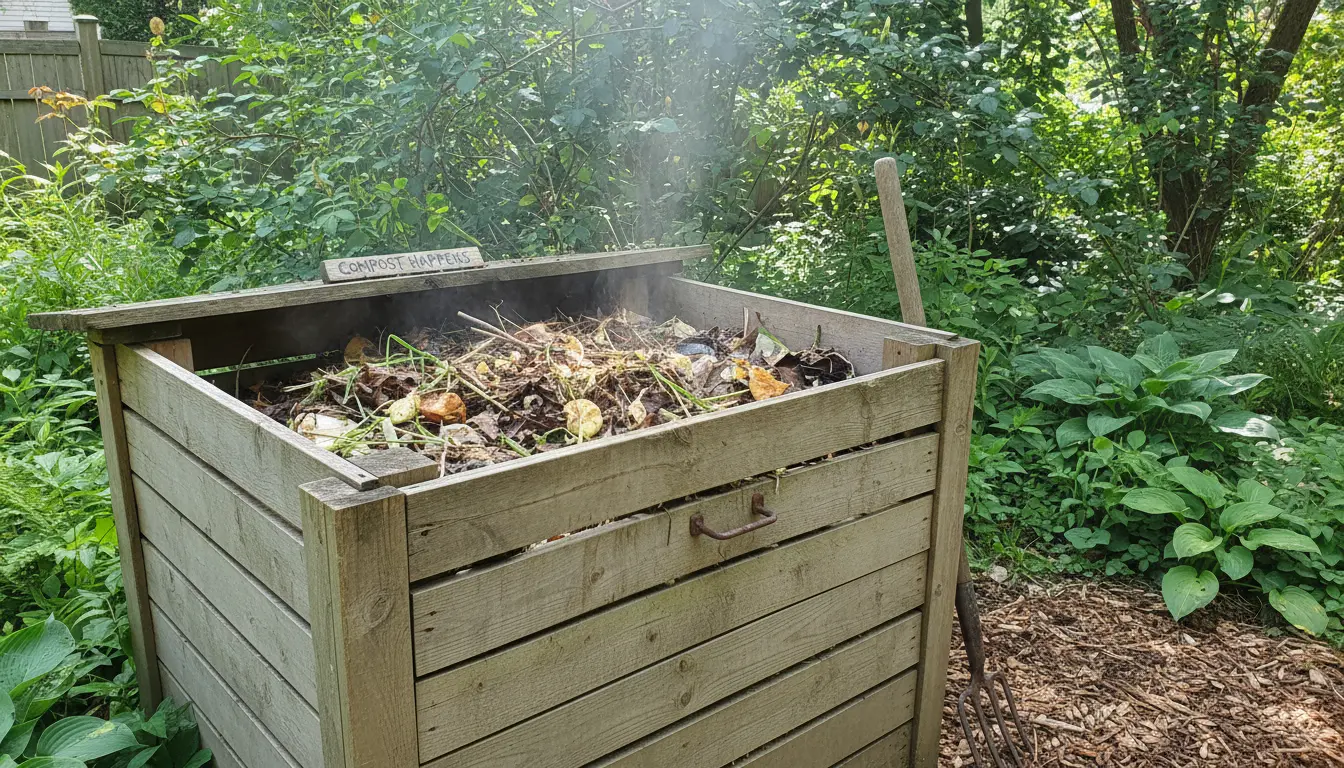
Overview of Home Composting for Beginners
Home composting is a practical way to turn kitchen and yard waste into nutrient-rich soil. This guide explains simple steps to set up and maintain compost at home, with clear examples and troubleshooting tips.
Why Choose Home Composting for Beginners
Composting lowers household waste and improves soil health without needing special equipment. It can work in small yards, balconies, and shared garden spaces.
Beginners benefit from low-cost setups and gradual learning. Start with a small bin and scale up as you gain confidence.
Key Steps for Home Composting for Beginners
Follow these steps to establish a reliable compost system. Keep the routine simple at first and adjust with experience.
1. Pick a Compost Method
Choose the method that fits your space and lifestyle. Popular options include a simple backyard pile, a sealed tumbling bin, or a worm bin for indoors.
- Backyard pile: Low cost, needs space and occasional turning.
- Tumbler bin: Faster mixing, neater appearance, good for small yards.
- Vermicompost (worm bin): Best for apartments and small-scale indoor composting.
2. Understand What to Compost for Home Composting for Beginners
Compost needs a balance of ‘greens’ and ‘browns’ to decompose efficiently. Greens provide nitrogen while browns add carbon.
- Greens: vegetable scraps, coffee grounds, fresh grass clippings.
- Browns: dry leaves, shredded paper, cardboard, small branches.
- Avoid: meat, dairy, oily foods, diseased plants, and pet waste from carnivores.
3. Build and Maintain the Pile
Start with a layer of coarse browns to help airflow, then alternate greens and browns in 2–4 inch layers. Keep the pile moist, about as damp as a wrung-out sponge.
Turn the pile every 1–2 weeks to add oxygen, which speeds decomposition. For tumblers, rotate according to manufacturer guidance.
4. Monitor Temperature and Time
Hot composting reaches 130–160°F and breaks down material quickly, but it requires more mass and turning. Cold composting is slower and needs less attention.
Most beginner systems will produce usable compost in 3–12 months depending on method and attention.
Common Tools and Materials
You do not need expensive gear to start. Basic tools help keep the process tidy and effective.
- Pitchfork or garden fork for turning
- Basic compost bin or DIY enclosure
- Garden thermometer (optional) to track heat
- Shredder or scissors for cutting large items
Troubleshooting for Home Composting for Beginners
Problems are usually easy to fix once you know the cause. Use a checklist to diagnose the issue quickly.
- Bad smell: Add more browns and turn the pile to introduce air.
- Pile too dry: Add water and green materials to restore moisture.
- Slow breakdown: Increase surface area by chopping materials and ensure a mix of greens and browns.
- Pests: Avoid food scraps that attract animals and use a closed bin or wire mesh if needed.
Composting just one-third of a household’s organic waste can reduce total trash volume by up to 25 percent. Finished compost improves soil structure and water retention, reducing the need for chemical fertilizers.
Small Real-World Case Study
Case study: Sarah, a renter with a small balcony, set up a 20-liter worm bin and followed a weekly feeding routine. She separated kitchen scraps, added shredded paper for balance, and ensured consistent moisture.
After six months she produced about 30 liters of worm castings, enough to top-dress her potted herbs and reduce her potting soil purchases by 40 percent. Her weekly food waste dropped noticeably.
Simple 30-Day Starter Plan for Home Composting for Beginners
This easy plan helps beginners create momentum and learn routine maintenance.
- Week 1: Choose a bin and start a layered pile with alternating greens and browns.
- Week 2: Monitor moisture and add a handful of soil or finished compost to introduce microbes.
- Week 3: Begin turning every 1–2 weeks, or rotate the tumbler as instructed.
- Week 4: Check for progress and adjust ratios. Record what you add and observe results.
Final Tips for Successful Home Composting for Beginners
Start small and keep a simple routine. Consistency is more important than perfection at the beginning.
- Keep a small countertop caddy to collect scraps and empty it daily.
- Chop or shred larger items to speed decomposition.
- Wear gloves and use basic hygiene; compost is organic material but not sterile.
By following these practical steps, home composting for beginners becomes a manageable and rewarding habit. With a bit of attention you can turn waste into a valuable resource for your garden.