
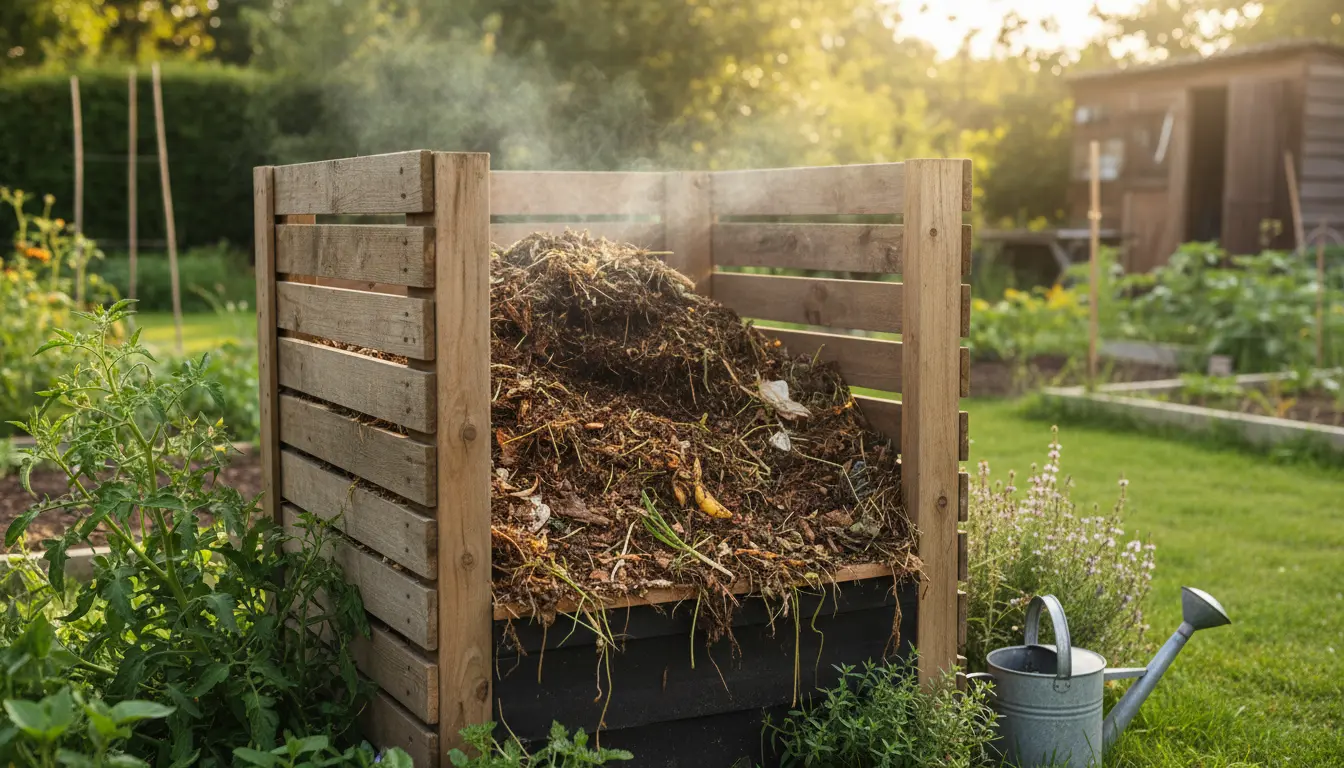
Begin with the basics of composting at home
Composting at home turns kitchen scraps and yard waste into rich soil that improves plant health. It reduces garbage, cuts methane from landfills, and saves money on fertilizer.
This guide gives clear, actionable steps for beginners and practical tips to keep your composting system working well.
Choose a composting system for home use
Pick a method that fits your space, time, and comfort level. Common options include a simple backyard pile, a tumbling bin, and worm composting (vermicomposting).
- Backyard pile: Low cost, needs space and occasional turning.
- Tumbling bin: Enclosed, easier to turn, better for smaller yards.
- Worm bin: Great for apartments and small kitchens; works indoors with proper care.
What you need to start
Gather basic supplies: a container or space, a pitchfork or turning tool, and a thermometer if you want to monitor temperature. Start with a small amount until you learn the process.
Balance materials for healthy home composting
Compost needs a mix of carbon-rich and nitrogen-rich materials. The balance lets microbes break down organic matter quickly and without bad odors.
- Greens (nitrogen): fruit and vegetable scraps, coffee grounds, fresh grass clippings.
- Browns (carbon): dry leaves, shredded paper, straw, cardboard.
A good rule is about 2–3 parts browns to 1 part greens by volume. Adjust if the pile is too wet or smelly.
Layering and chopping
Layer greens and browns to create contact between materials. Chop large items into smaller pieces to speed up decomposition.
Step-by-step: How to compost at home
- Choose a dry, shaded spot with good drainage for an outdoor pile or set up your indoor worm bin on a shelf.
- Start with a base layer of coarse browns like twigs to help airflow.
- Add alternating layers of greens and browns, keeping the pile moist like a wrung-out sponge.
- Turn the pile every 1–2 weeks to introduce oxygen and speed breakdown, or rotate a tumbling bin weekly.
- Monitor temperature: an active hot pile reaches 55–65°C (130–150°F) but cooler piles still work slowly.
- Harvest finished compost when it looks dark, crumbly, and earthy—usually 3–12 months depending on method and maintenance.
Troubleshooting common home composting problems
Many issues come from imbalanced materials, too little airflow, or excess moisture. Simple adjustments usually fix problems quickly.
Bad smells
Smells usually mean too much green or too wet. Add more brown materials, turn the pile, and check drainage.
Pests and fruit flies
Avoid adding meat, dairy, or oily foods. Bury kitchen scraps under a layer of browns and use a sealed composter or a worm bin with a lid if pests are a problem.
Slow decomposition
If breakdown is slow, check particle size and moisture. Chop materials smaller, add nitrogen-rich greens if the pile is mostly browns, and turn more often.
Composting one ton of food waste can save roughly 0.5 to 1 ton of CO2 equivalent emissions by preventing methane production in landfills.
Using finished compost from home
Finished compost is a slow-release, low-risk soil amendment. Mix it into garden beds, use it as potting mix component, or topdress lawns and containers.
- Vegetable gardens: mix 2–4 inches into planting beds before planting.
- Flower beds: add a 1–2 inch top layer and lightly work it into the soil surface.
- Potted plants: blend one part compost with two parts potting soil for richer pots.
Small real-world example: A family backyard compost setup
A suburban family with a small yard used a 3-bin system. They collected kitchen scraps in a covered container and added yard waste after mowing.
After practicing good balance and turning weekly, they produced usable compost in about six months. They cut grocery purchases of bagged soil by half and noticed healthier tomato plants the first season.
Quick tips for success with home composting
- Keep particle size small for faster breakdown.
- Maintain moisture like a wrung-out sponge—not soaking wet or bone dry.
- Turn regularly to keep oxygen available for microbes.
- Monitor pest access and avoid adding problematic foods to outdoor piles.
Final thoughts on composting at home
Composting at home is a practical way to reduce waste and improve soil health. Start small, learn from the pile, and adjust balance and turning as you go.
With minimal effort, home composting becomes a reliable source of rich organic matter for any garden or container plants.