
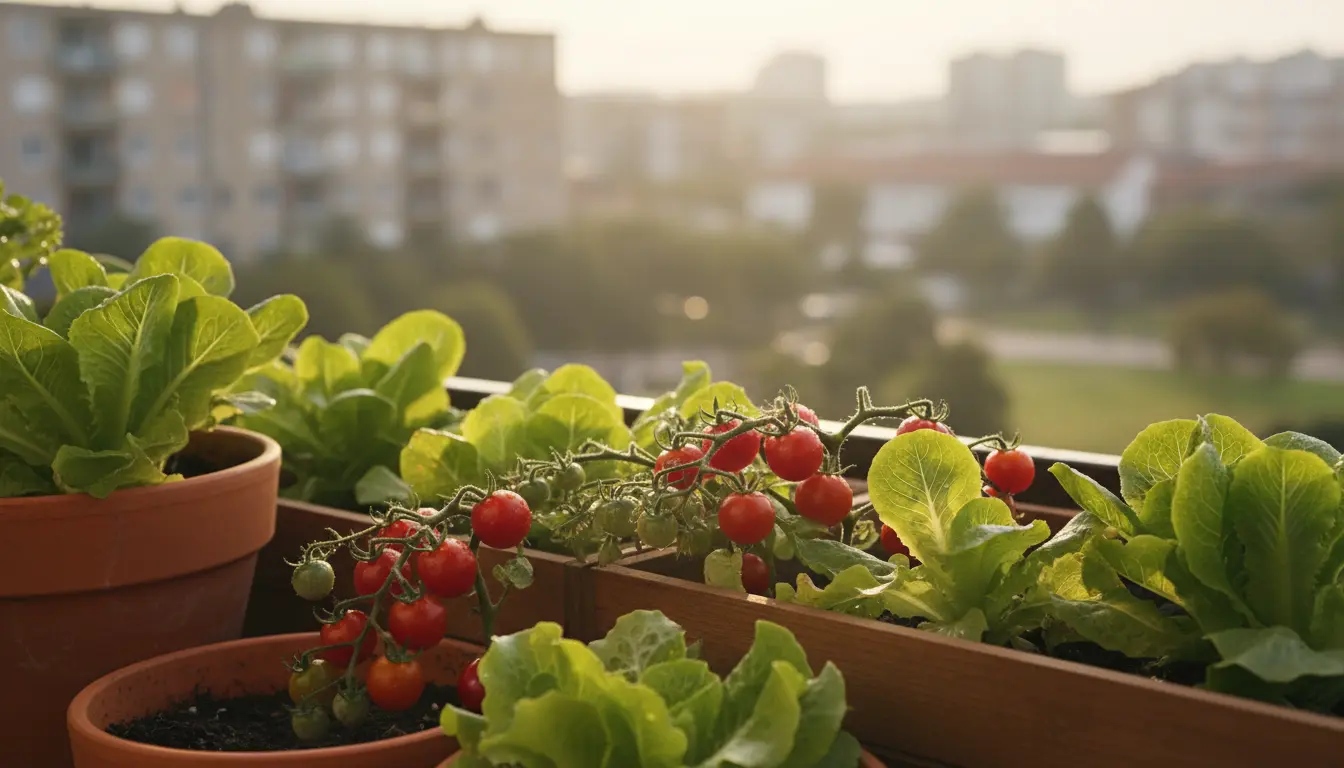
Getting Started with a Small Space Vegetable Garden
Starting a small space vegetable garden is achievable with simple planning and the right supplies. This guide gives clear, practical steps for balconies, patios, and tiny yards.
Why a Small Space Vegetable Garden Works
Small space vegetable gardens are ideal for people with limited outdoor area. You can grow fresh produce in containers, raised beds, or vertical planters.
They require less water and maintenance than a full yard garden, and you can focus on high-value crops like herbs, lettuce, and tomatoes.
How to Start a Small Space Vegetable Garden
Follow these steps to plan and set up your small space vegetable garden. Each step includes practical tips and options for different spaces.
1. Choose the Right Location
Pick a spot that gets at least 4–6 hours of sunlight per day for most vegetables. South- or west-facing balconies and windowsills are usually best.
Consider wind exposure and access to water. Shaded corners can work for leafy greens and herbs.
2. Select Containers and Layout
Containers should have drainage holes and be large enough for the plant’s root system. Use 5-gallon buckets, window boxes, or fabric grow bags for medium-sized vegetables.
For tight spaces, try vertical systems: wall planters, stacked pots, or trellises. Arrange containers so taller plants don’t shade smaller ones.
3. Pick Vegetables for Small Space Gardening
Choose compact, high-yield varieties labeled “patio”, “dwarf”, or “compact”. These are bred for containers and small plots.
- Leafy greens: lettuce, spinach, arugula
- Herbs: basil, parsley, chives
- Fruiting plants: cherry tomatoes, peppers, dwarf cucumbers
- Root crops: radishes, baby carrots
4. Use Good Soil and Fertilizer
Fill containers with a quality potting mix, not garden soil. Potting mixes are lighter and drain better in containers.
Add slow-release fertilizer at planting time and use a balanced liquid feed every 2–4 weeks during the growing season.
5. Watering and Drainage
Containers dry out faster than beds. Water deeply until water drains from the bottom, then allow the top inch of soil to dry before watering again.
Consider self-watering pots or drip irrigation to maintain steady moisture and reduce daily maintenance.
6. Pest Management and Disease Prevention
Inspect plants weekly for pests and signs of disease. Use physical barriers like netting for birds and slugs, and hand-pick larger pests.
Practice crop rotation in containers by switching plant families each season and remove plant debris to prevent disease.
7. Seasonal Care and Succession Planting
Stagger plantings to extend your harvest. For example, sow lettuce every 2–3 weeks for a continuous supply.
Use cool-season crops (kale, spinach) in spring and fall, and heat-loving crops (tomatoes, peppers) in summer.
Tools and Materials Checklist for a Small Space Vegetable Garden
- Containers with drainage (5–20 gallons depending on crop)
- Quality potting mix and compost
- Slow-release fertilizer and liquid feed
- Watering can or drip irrigation kit
- Trellis or stakes for climbing plants
- Basic hand tools: trowel, pruners, gloves
Simple Crop Ideas and Planting Examples
For a single 3×3-foot balcony area you can grow:
- Two 5-gallon pots with cherry tomatoes
- One container with mixed salad greens
- Two small pots with herbs (basil and parsley)
- A vertical pocket planter with strawberries or trailing herbs
Case Study: Balcony Garden in a City Apartment
Marina, a city apartment renter, converted a 6-foot balcony into a productive kitchen garden. She used three 10-inch window boxes and two 5-gallon buckets.
She planted compact cherry tomatoes, mixed lettuces, basil, and radishes. By using vertical trellises for tomatoes and rotating lettuce plantings every three weeks, she harvested fresh salad greens and tomatoes for most of the summer.
Her investment was under $150 for containers and soil, and the routine took 15–20 minutes every other day for watering and quick checks.
Troubleshooting Common Problems
Yellow Leaves
Yellowing often indicates overwatering or nutrient deficiency. Check drainage and consider a balanced fertilizer.
Poor Flowering or Fruit Set
Insufficient sunlight or inconsistent watering can reduce fruit set. Ensure 6+ hours of sun for tomatoes and peppers, and keep soil moisture steady.
Root Bound Plants
If growth slows, roots may be crowded. Repot to a larger container or prune roots when replanting.
Final Tips for a Successful Small Space Vegetable Garden
- Start small and expand after a successful season.
- Keep a planting calendar to track sowing and harvest times.
- Choose varieties labeled for containers and compact growth.
- Learn by observing: small adjustments to watering or location make big differences.
With the right containers, plants, and routines, a small space vegetable garden can reliably supply fresh produce and fit into busy lifestyles. Begin with a simple setup, track what works, and refine your plan each season.