
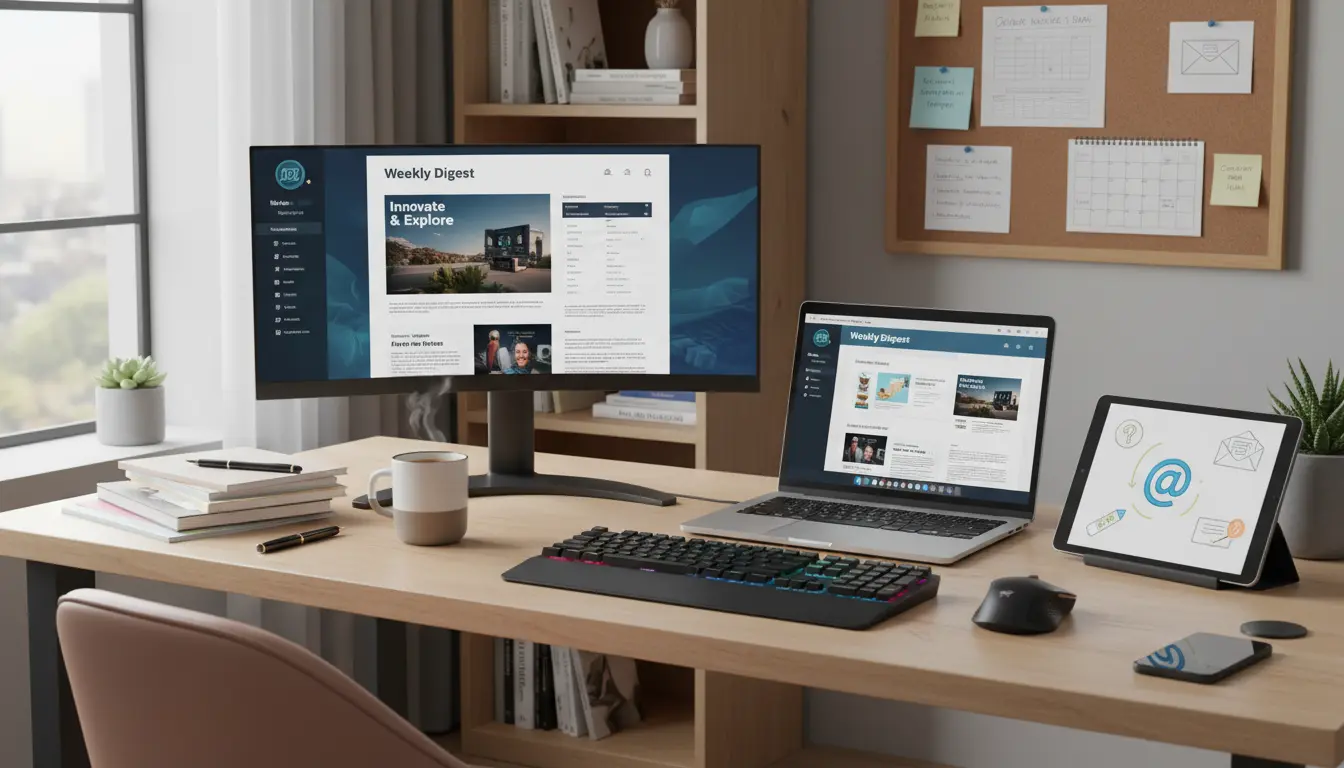
Why an Email Newsletter Still Matters
An email newsletter is one of the most direct ways to reach your audience. It lets you deliver updates, offers, and useful content straight to subscribers who asked to hear from you.
When done right, an email newsletter builds trust, drives traffic, and increases sales. This guide shows practical steps to create an effective email newsletter that readers open and act on.
Plan Your Email Newsletter Strategy
Start by defining the purpose of your email newsletter. Are you educating, selling, or building loyalty? A clear goal guides content and measurement.
Identify your audience segments and decide how often you will send newsletters. Consistency is more important than frequency.
Email Newsletter Goal Examples
- Drive monthly website visits with a roundup of blog posts.
- Promote new products with a special offer for subscribers.
- Build brand loyalty with behind-the-scenes content.
Choose a Clear Content Structure for Your Email Newsletter
A predictable structure helps readers scan and find value quickly. Keep the layout simple and mobile-friendly.
Use these core sections in every issue to set expectations.
Recommended Email Newsletter Structure
- Header: Brand logo and a short preheader text.
- Lead Story: One main item with a clear call to action (CTA).
- Secondary Items: 2–4 short links or summaries directing to full content.
- Social Proof or Testimonial: One short quote or stat to build trust.
- Footer: Contact info, unsubscribe link, and legal details.
Write Subject Lines That Improve Open Rates
The subject line is the single most critical element for opens. Keep it specific, benefit-driven, and under 50 characters when possible.
Avoid hype and all caps. Be honest about what’s inside the email to maintain trust.
Subject Line Tips for Your Email Newsletter
- Use numbers: “5 quick ideas for weekend meals”.
- Ask a question: “Ready to save on spring shipping?”
- Include the main benefit: “Improve your workflow in 10 minutes”.
Write Better Email Newsletter Copy
Keep sentences short and focused. Use active voice and address the reader directly with “you.”
Lead with the most important information. Use bullet points and bolding sparingly to highlight CTAs and key facts.
Content Tips and Examples
- Start with a one-line summary: “This week: 3 tools to speed up editing.”
- Offer value first, then ask for clicks: give a quick tip before linking to a full article.
- Use one clear CTA per section: “Read more,” “Shop now,” or “Register.”
Improve Engagement with Personalization and Segmentation
Segment your audience by behavior or interest to send more relevant email newsletter content. Even simple segments boost engagement.
Personalize greetings or refer to recent purchases. Small touches increase open and click rates.
Segmentation Ideas
- New subscribers: welcome series with best content.
- Recent buyers: product tips and related offers.
- Inactive users: a re-engagement email with an incentive.
Newsletters that include one clear call to action see higher click-through rates than those with multiple competing CTAs. Focusing the reader increases conversions.
Design and Deliverability Best Practices for Email Newsletters
Design for mobile first: more than half of opens happen on phones. Use single-column templates and large tap targets for links and buttons.
To protect deliverability, authenticate your domain (SPF, DKIM) and keep spam complaints low by setting clear expectations at sign-up.
Quick Checklist
- Mobile-responsive template
- Clear unsubscribe link
- Limit images and include alt text
- Test across major email clients
Measure Success of Your Email Newsletter
Track open rates, click-through rates, and conversions tied to your newsletter goals. Use A/B tests for subject lines and CTAs.
Monitor unsubscribes and complaint rates; these indicate content or frequency issues that need fixing.
Small Case Study: Local Bakery Increased Sales with an Email Newsletter
A neighborhood bakery started a weekly email newsletter featuring a recipe, a behind-the-scenes note, and a special subscriber discount. They used a simple structure and a single CTA: reserve a loaf.
Results in three months: a 22% increase in foot traffic on discount days and a 15% rise in average weekly orders from subscribers. The bakery kept content short and local to retain relevance.
Final Checklist to Launch Your First Email Newsletter
- Define your goal and audience segments.
- Pick a consistent schedule and template.
- Create a short, benefit-led subject line.
- Keep copy concise with one clear CTA per section.
- Test on mobile and authenticate your sending domain.
- Measure results and iterate monthly.
Following these steps will help you create an email newsletter that readers open and act on. Start simple, learn from metrics, and refine your content over time.