
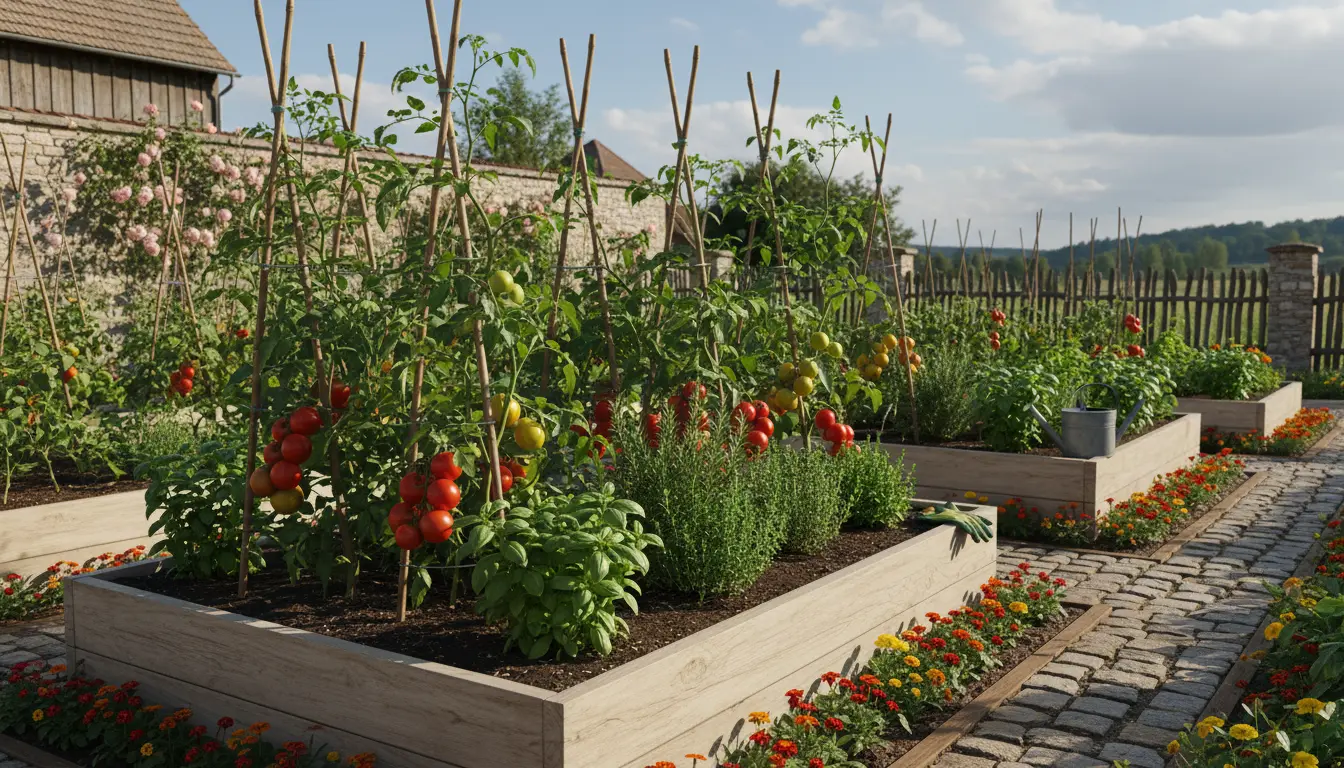
Starting a small vegetable garden is manageable for any homeowner or renter. With simple planning and the right supplies, you can grow fresh produce in a compact space.
Plan Your Small Vegetable Garden
Choose a spot that gets at least 5–6 hours of sunlight daily. Most vegetables need full sun; leafy greens tolerate a bit more shade.
Decide on a layout: raised beds, containers, or a small in-ground plot. Raised beds and containers are often easiest for beginners because they offer better soil control.
Pick Your Vegetables
Select crops that match your climate and season. For small gardens, focus on high-yield, space-efficient plants like:
- Tomatoes (determinate or patio varieties)
- Peppers
- Leafy greens (lettuce, spinach, kale)
- Radishes and carrots in deep containers
- Herbs (basil, parsley, cilantro)
Begin with 4–6 types of plants to avoid overwhelming maintenance.
Prepare Soil and Containers
Good soil is the foundation of a productive small vegetable garden. If using containers, buy a quality potting mix formulated for vegetables.
For raised beds and in-ground plots, aim for a loose, well-draining loam. Mix garden soil with compost at roughly 1:1 ratio to improve fertility and structure.
Soil Tests and Amendments
Perform a simple soil test or use a kit to check pH and nutrient levels. Most vegetables prefer a pH between 6.0 and 7.0.
Common amendments:
- Compost: adds nutrients and improves texture
- Bone meal or rock phosphate: for phosphorus if low
- Lime: to raise pH if soil is acidic
Planting and Spacing Tips
Follow seed packet or plant tag spacing to avoid overcrowding. In small gardens, using vertical space is key: trellis vining crops like cucumbers and pole beans.
Succession planting keeps harvests steady. After harvesting a quick crop like radishes, replace them with lettuce or cilantro for late-season growth.
Seed vs. Transplants
Start fast-growing crops from seed directly in soil (radishes, carrots, peas). Use transplants for slower starters like peppers and tomatoes to save time.
Watering and Fertilizing a Small Vegetable Garden
Consistent moisture is more important than frequent shallow watering. Aim for deep waterings 2–3 times per week, adjusting for rainfall and heat.
Mulch saves water and reduces weeds. Use straw, shredded leaves, or composted bark laid 2–3 inches thick around plants.
Fertilizer Guidelines
Apply a balanced organic fertilizer at planting and switch to a low-nitrogen feed once fruiting begins for tomatoes and peppers. Slow-release granular fertilizers work well in containers.
Pest and Disease Management
Inspect plants weekly and remove damaged leaves to limit disease spread. Encourage beneficial insects by planting flowers like marigolds or calendula nearby.
Non-toxic pest controls include hand-picking, insecticidal soap for soft-bodied insects, and row covers to protect seedlings.
Common Problems and Fixes
- Yellow leaves: check watering and soil nutrients
- Holes in leaves: look for caterpillars or slugs at dawn
- Powdery mildew: increase air circulation and avoid overhead watering
Harvesting and Storage
Harvest vegetables at peak ripeness for best flavor. Leafy greens are often harvested as cut-and-come-again to extend production.
Store harvests correctly: chill tomatoes at room temperature until ripe, refrigerate greens, and blanch then freeze surplus vegetables.
Small Garden Layout Ideas
Use square-foot gardening in raised beds to maximize yield in tight spaces. Group plants by water needs and growth habit for easier care.
- Container cluster: five 12-inch pots for herbs and lettuces
- Single raised bed (4×4 ft): tomatoes at back, greens in front
- Vertical wall: pocket planters for herbs and strawberries
Simple Seasonal Checklist
- Spring: prepare soil, start transplants, plant cool-weather crops
- Summer: water deeply, mulch, stake tall plants
- Fall: sow cover crops, harvest remaining produce, clean beds
Case Study: A 10-Square-Foot Balcony Garden
Example: Sara, an apartment renter, used a 10-square-foot balcony area to grow a small vegetable garden in three large containers and a 4×4 raised bed. She chose determinate tomatoes, basil, lettuce, and a few radish rows.
Within one season she harvested enough salad greens for weekly meals and several pounds of tomatoes. Her key actions were consistent watering with a drip bottle, weekly compost tea, and rotating lettuce after each harvest.
Final Tips to Start a Small Vegetable Garden
Start small and expand in the second season. Keep a garden journal to note planting dates, varieties, and results—this improves yields year to year.
With planning, good soil, and regular care, even a compact space can supply fresh vegetables for your kitchen.