
How to Start a Vegetable Garden: A Practical Checklist
Starting a vegetable garden is easier than many beginners think. With a clear plan and a few basic steps, you can grow reliable crops in small or large spaces.
Choose a Location for Starting a Vegetable Garden
Pick a site that gets at least six hours of sunlight a day. Sunlight is the single most important factor for most vegetables.
Consider proximity to water and ease of access. Closer sites make regular watering and maintenance simpler.
Decide on Garden Type
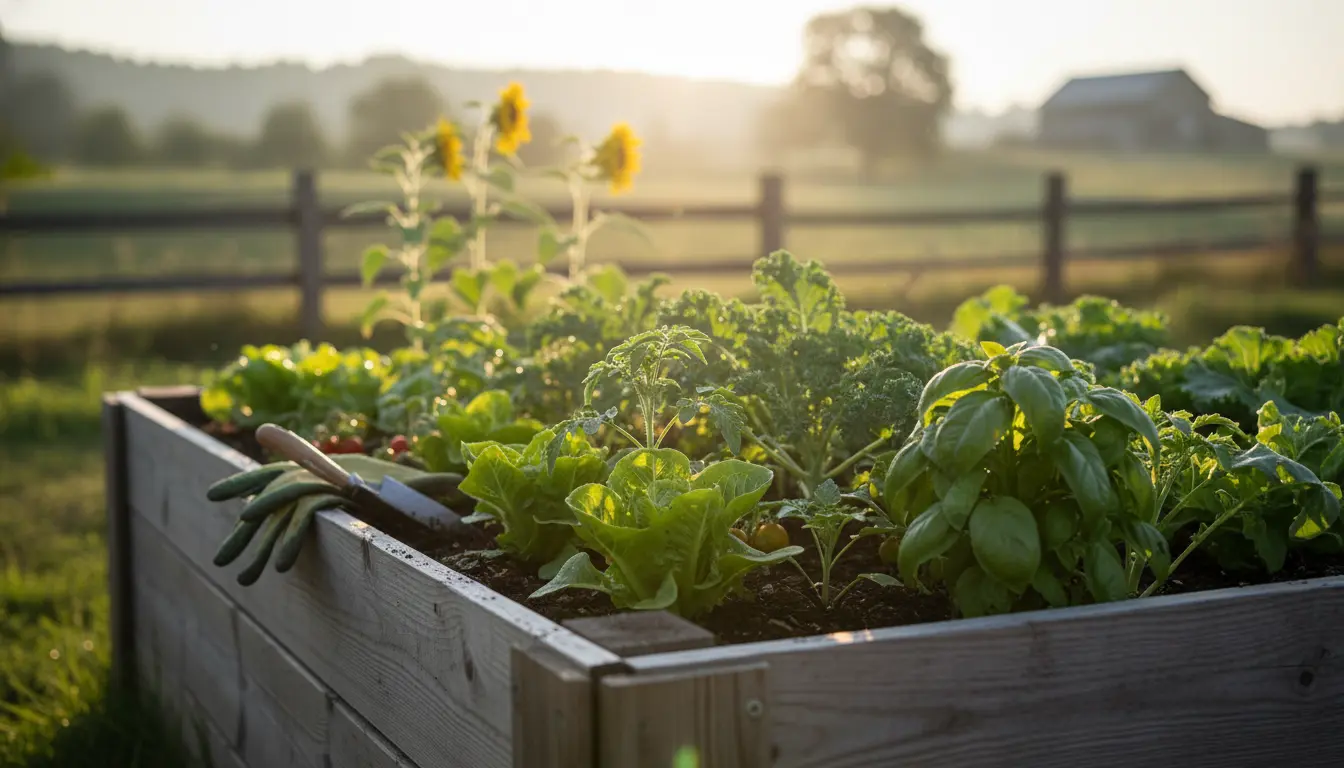
Choose between in-ground beds, raised beds, containers, or a mix. Each option has trade-offs in cost, soil control, and space efficiency.
- Raised beds: Faster warming, better drainage, easier weeding.
- Containers: Good for balconies and patios, portable.
- In-ground: Lower initial cost, can access deeper soil.
Soil Preparation and Composting When Starting a Vegetable Garden
Good soil is the foundation of a productive garden. Aim for loose, well-draining loam rich in organic matter.
Test soil pH with a simple kit. Most vegetables prefer pH 6.0–7.0.
- Work in 2–4 inches of compost before planting.
- Add coarse sand or grit to heavy clay to improve drainage.
- Use mulch to retain moisture and suppress weeds.
Soil Amendment Steps
Clear the area of weeds and grass. Turn the top 6–8 inches of soil and mix in compost.
Allow amendments to settle for a week if possible, then rake smooth and mark beds.
Plant Selection and Timing for Starting a Vegetable Garden
Select vegetables suited for your climate and season. Beginners should start with forgiving crops that mature quickly.
Good starter vegetables include lettuce, radishes, bush beans, cherry tomatoes, and herbs like basil and parsley.
Choosing Plants When Starting a Vegetable Garden
Choose varieties labeled “easy” or “beginner-friendly.” Look for disease-resistant cultivars if available.
Plan for succession planting to extend harvests: sow quick crops like radishes between slower ones like tomatoes.
Planting and Spacing Tips
Follow seed packet and plant label spacing recommendations. Overcrowding reduces air flow and increases disease risk.
Use trellises for vining plants like cucumbers and pole beans to save space and improve yield.
Watering and Fertilizing
Water deeply and infrequently to encourage strong root systems. Early morning is the best time to water.
Apply a balanced organic fertilizer at planting and again mid-season according to product directions.
Common Pests and Disease Management
Inspect plants weekly for pests and damage. Early detection keeps problems small and manageable.
- Handpick larger pests like caterpillars and slugs.
- Use floating row covers to protect young plants from insects.
- Rotate crops yearly to reduce soil-borne diseases.
Organic Controls
Introduce beneficial insects like ladybugs and predatory nematodes. Use insecticidal soaps or neem oil if needed.
Clean up plant debris in fall to lower overwintering pests and disease.
Maintenance Routines for Starting a Vegetable Garden
Set aside small daily or weekly tasks: watering, weeding, and quick inspections. Consistency yields better results than occasional marathon sessions.
Record what you plant, when you plant, and yields. This data will help you improve next season.
Seasonal Tasks
- Spring: Soil amendment, planting, stake supports.
- Summer: Watering, harvesting, pest checks.
- Fall: Clean up, add compost, mulch for winter.
Many common vegetables, like radishes and lettuce, can be ready to harvest in just 3–6 weeks. Fast crops allow more planting cycles per season.
Small Real-World Case Study
Case study: A city apartment gardener converted two 4×2 foot raised beds on a sunny balcony. They started in early spring with lettuce, bush beans, cherry tomatoes, and basil.
After improving soil with compost and using a drip line for watering, their first season produced continuous lettuce and three rounds of bush beans. Tomatoes ripened mid-summer and herbs were abundant.
Key takeaways: small space, good soil, and regular watering produced reliable yields for a beginner gardener.
Quick Start Checklist for Starting a Vegetable Garden
- Pick a sunny location with water access.
- Choose garden type: raised bed, container, or in-ground.
- Test and amend soil with compost.
- Select beginner-friendly crops and disease-resistant varieties.
- Plant with correct spacing and set up supports.
- Establish a simple watering and inspection routine.
Final Tips
Start small to avoid burnout and learn the rhythms of your space. One or two beds or a few containers are enough for a beginner to learn quickly.
Keep notes and be patient: gardening improves each season as you learn local conditions and plant behavior.
With a clear plan and routine maintenance, starting a vegetable garden can be a rewarding, manageable project that provides fresh food and gardening confidence.